
Fueled by machine learning and global bird-watching communities, apps like Merlin Bird ID are transforming outdoor exploration in 2026. Millions of users now identify thousands of avian species using smartphones, turning casual nature walks into high-tech data collection as birding surges in popularity.
Millions Download Merlin Bird ID Amid Surge in Outdoor Birding
Nature appreciation has officially entered the smartphone era. Whether driven by heatwaves sending more people outdoors or younger generations discovering a lifelong hobby, digital identification tools are experiencing a massive boom in popularity, according to reporting on avian identification apps.
Chief among them is Merlin Bird ID, a platform developed by Cornell University’s Lab of Ornithology. The application claims the ability to identify almost any bird by its photograph, song, or call. Its reach has scaled dramatically in recent years. Jessie Barry, director of the Cornell Lab of Ornithology, reported that the app recorded 12 million downloads in 2026 alone, bringing its total to 42 million overall.
For lifelong enthusiasts like 26-year-old Megan Szostak of San Francisco—who grew up using field guides and her late grandfather’s binoculars—the technology serves as a natural extension of her routine. Users praise the bird recognition software for making the hobby accessible to casual observers who want to better understand the wildlife around them.
How Artificial Intelligence Expanded Avian Identification
The technology powering these pocket field guides has evolved significantly since its early days. When Merlin Bird ID first launched in the United States in 2014, it relied on machine learning systems capable of recognizing just 285 common bird species from photographs. Over a decade later, the software can now identify 11,000 species of birds, covering roughly every known avian species on Earth.
Experts attribute this leap forward to two distinct forces: rapid advancements in artificial intelligence and contributions from an active global network.
By continuously feeding audio clips and photographic data into training models, everyday hobbyists have directly helped sharpen the neural networks that power modern conservation and identification tools.
Balancing Technology and Urban Wildlife Management
In south-west Scotland, Dumfries and Galloway Council announced that drones are being drafted in to help tackle urban gull issues. Environmental health teams will deploy unmanned aerial vehicles to survey rooftops and nesting areas to better understand and manage populations that grow aggressive during the summer breeding season.
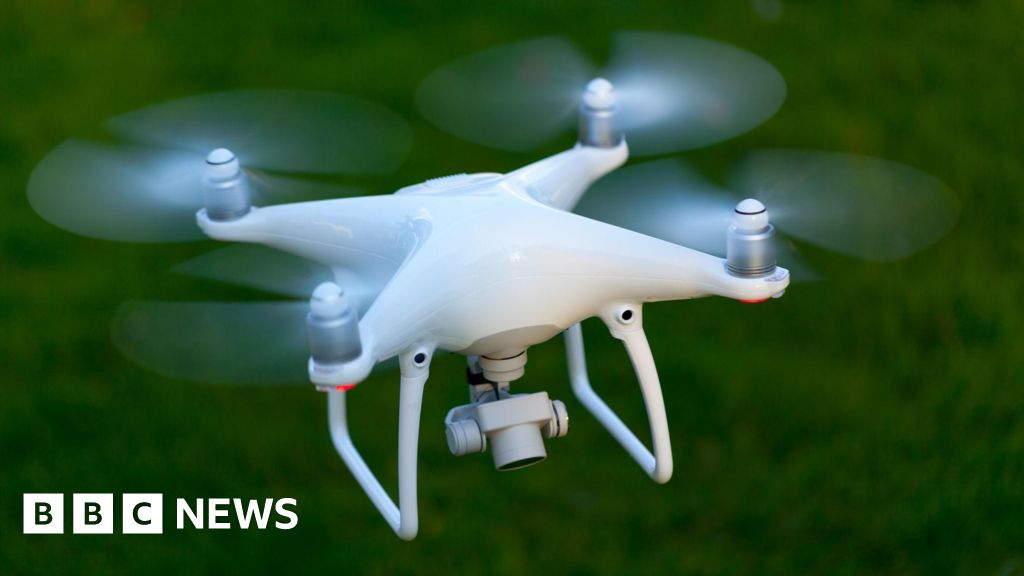
Urban gulls have long tested local patience in towns across the region by diving at residents, stealing food, and covering vehicles in droppings. The council stressed that the aerial surveys are not being used to monitor individuals or private property. Officials also reminded the public of past territorial conflicts, recalling an incident in the summer of 2020 when a black-headed gull attacked a 13-pound drone over Stranraer Academy, causing substantial damage after displaying an unexpected level of aggression.

iPhone 18 Pro Pre-Orders Open September 12 With A20 Pro Chip and Price Hikes
Apple's latest flagship lineup arrives with a familiar sting for buyers.

Anthropic CEO Calls for AI Slowdown, Backed by Altman and Musk
Anthropic Chief Executive Officer Dario Amodei has called on artificial intelligence firms to slow the development of the...


TCL Unveils P80 NXTPAPER AMOLED Phones and X11L TV at IFA 2026
At IFA 2026 in Berlin, TCL unveiled a massive hardware showcase featuring the P80 series of NXTPAPER AMOLED...