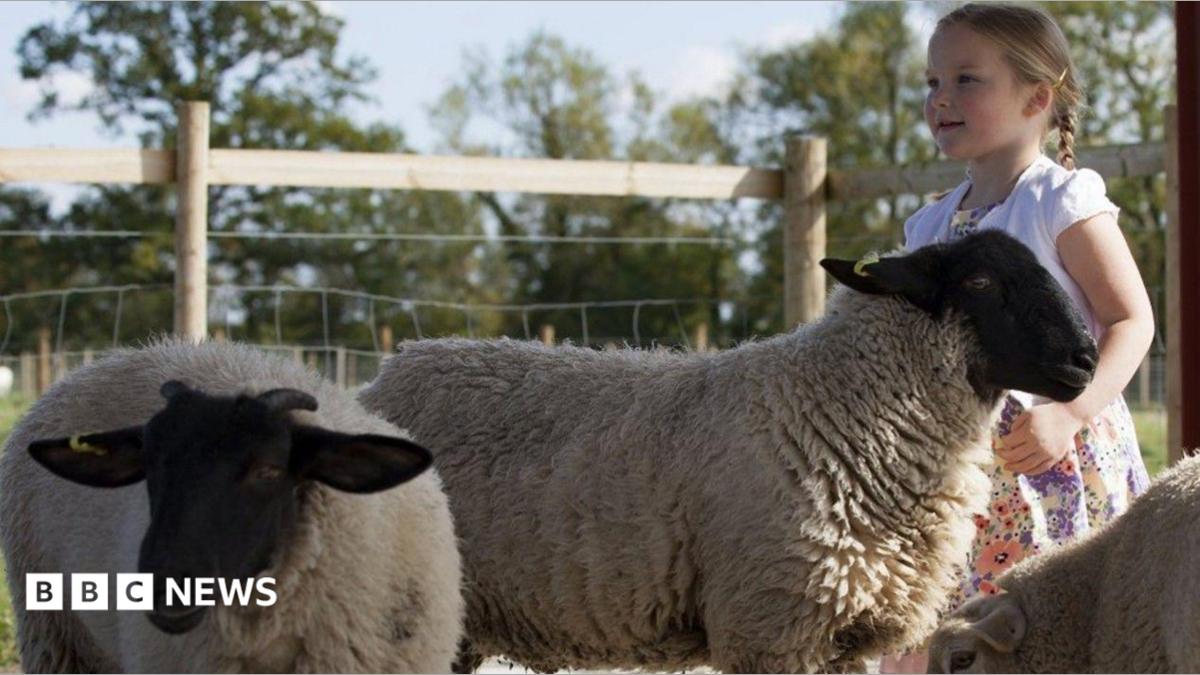
While designed to help families and struggling hospitality businesses, analysts debate whether temporary discounts drive genuine new visits or simply subsidize trips people planned anyway.
The Great British Summer Savings Scheme and What It Costs
The long summer holidays routinely stretch household finances. Day trips to theme parks, zoos, and soft play centres accumulate costs quickly, with children’s charity Coram estimating that holiday expenses run £191 per child per week, or £1,145 for the six-week break, according to the reporting from the BBC. In response, the UK government introduced a temporary VAT reduction dropping the tax rate from 20% to 5% on admission to a broad range of family activities. VAT has also been reduced on children’s meals served in restaurants as well as kids’ and family tickets for cinemas, shows, exhibitions and outdoor venues and activities, though attractions run by local authorities are already exempt from VAT so are not affected by the scheme.
Financial Relief for Families Facing Hot Budgets
Supporters argue the temporary measure offers timely relief. Susanna Streeter, a financial expert from Bristol-based Wealth Club, pointed out that inflation has cooled while household budgets remain under pressure from years of rising prices.
“Inflation may have cooled, but household budgets are still running hot after years of rising prices, so a temporary VAT cut on children’s meals, entertainment and attractions should help take some of the sting out of the summer holidays,”
Susanna Streeter, financial expert from Wealth Club
Streeter added that the savings have arrived just when they are needed most, given that children’s charity Coram estimates holiday costs now cost £191 per child per week, or £1,145 for the six-week summer holiday. For parents who are able to take annual leave, Streeter said a “DIY approachby keeping children entertained with picnics, local attractions and low cost days out could prove
far better value”.
Whether families feel the savings depends heavily on businesses. Establishments are not legally obliged to pass on the full reduction. Where a business does pass along the entire cut, the Treasury calculates that a family of four could save approximately £20 on theme park tickets. Other estimates suggest the overall cut, which costs the Treasury around £300 million, might amount to just £10 per household over its duration, leading critics to easily dismiss the whole idea as a not very impressive gesture with an expensive price tag.
Pressures Facing the UK Hospitality Sector
Beyond consumer savings, the ten-week VAT drop is also designed to help struggling hospitality businesses, thousands of which were forced to close last year. Operating costs climbed significantly after wage rises and changes to national insurance and business rates introduced in April 2025 added an estimated £3.4 billion a year to sector costs.
For cash-strapped venues, a temporary VAT cut lowers prices and improves cash flow by giving attractions a simple message to advertise: this summer’s day out should be cheaper. Yet critics observe that the policy underscores a weakness in the UK’s visitor economy
—the money generated by people visiting a place for business or pleasure. When it comes to encouraging visitors to enjoy British hospitality, the UK is not strong, ranking 113th out of 119 countries for price competitiveness, which demonstrates that Britain’s problem is bigger than being an expensive place to entertain children in the school holidays.
Timing, Spare Capacity, and the Debate Over Additional Visits
Economic modelling examining tourism in the English county of Dorset—a popular tourist destination—indicates that timing dictates the effectiveness of tax relief. Price reductions are most likely to alter consumer behaviour when attractions have spare capacity and families are deciding whether a trip is worth making at all.

During peak summer periods, demand for family leisure is usually strong. Consequently, some of the households now planning a trip to a theme park this August may well have done so without a tax cut, meaning the policy makes an existing day trip cheaper rather than creating a new visit. Research using economic modelling to compare year-round VAT reductions to shorter periods found that year-round options did increase tourism activity and employment, but the benefits did not outweigh the cost. Targeting the relief from November to March performed better, coming much closer to breaking even and significantly reducing the government’s losses because extra visitors at quieter times can make a big difference when hotels, attractions and restaurants have unused rooms, tables and space.
What Remains Uncertain for Long-Term Tourism Policy
Although a ten-week summer cut will not fix Britain’s visitor economy, it creates a quiet precedent: the government has accepted that the VAT rate can change when there is a reason to change it.
Industry observers suggest the next step should be a more strategic approach, one that supports competitiveness but concentrates relief where spare capacity and price-sensitive demand give it the best chance of creating genuinely additional visits, rather than limiting itself to saving some families a few pounds on a summer day out.
Worth a look
Central Banks Face Rate Decisions Amid Surging Inflation and Oil Pressures
Central banks across the US, UK, and Japan face pivotal interest rate decisions this week amid turbulent global...

German Firms View China Expansion as Opportunity Amid Narrowing Window
German companies in China increasingly view the international expansion of local businesses as a major business opportunity, though...

UK Government to Update Student Loan Guidance Following Mis-Selling Findings
University applicants in England are set to receive clearer information regarding student loans before committing to borrowing, following...

Lambeth Council Approves Vauxhall Square Regeneration with UK’s Second-Tallest Tower
Lambeth Council has approved a £2 billion regeneration plan for Vauxhall Square featuring seven new towers, including a...