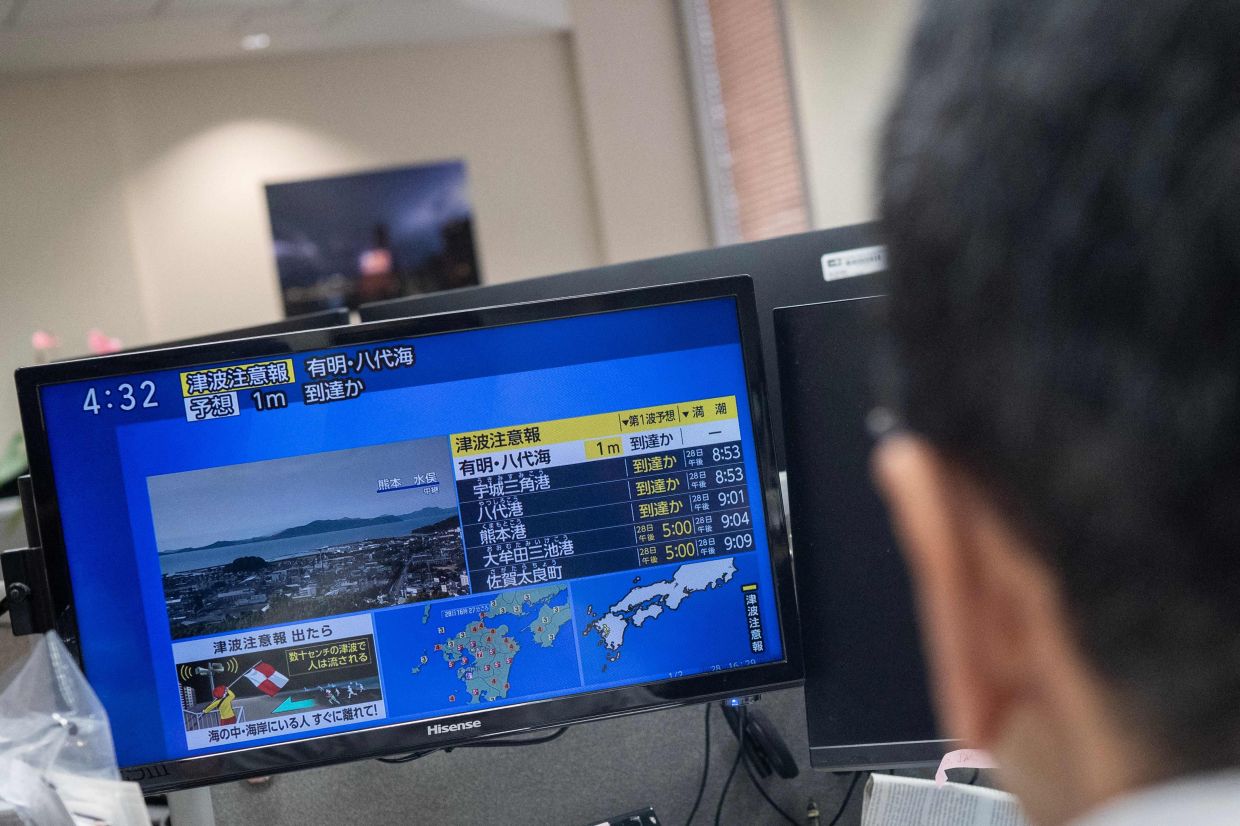
A 7.1-magnitude earthquake struck southwestern Japan’s Kumamoto prefecture on Tuesday afternoon, triggering a temporary tsunami advisory, injuring over 50 people, knocking out power to tens of thousands of households, and sparking a shopping mall collapse and fires.
While the winnipegfreepress.com Geological Survey initially measured the earthquake at magnitude 7.1 before revising it down to 6.8 at a depth of 10 kilometers, the severe shallow ground motion caused widespread infrastructure disruptions across the region.
Mall Collapse, Fires, and Evacuations Across Kumamoto
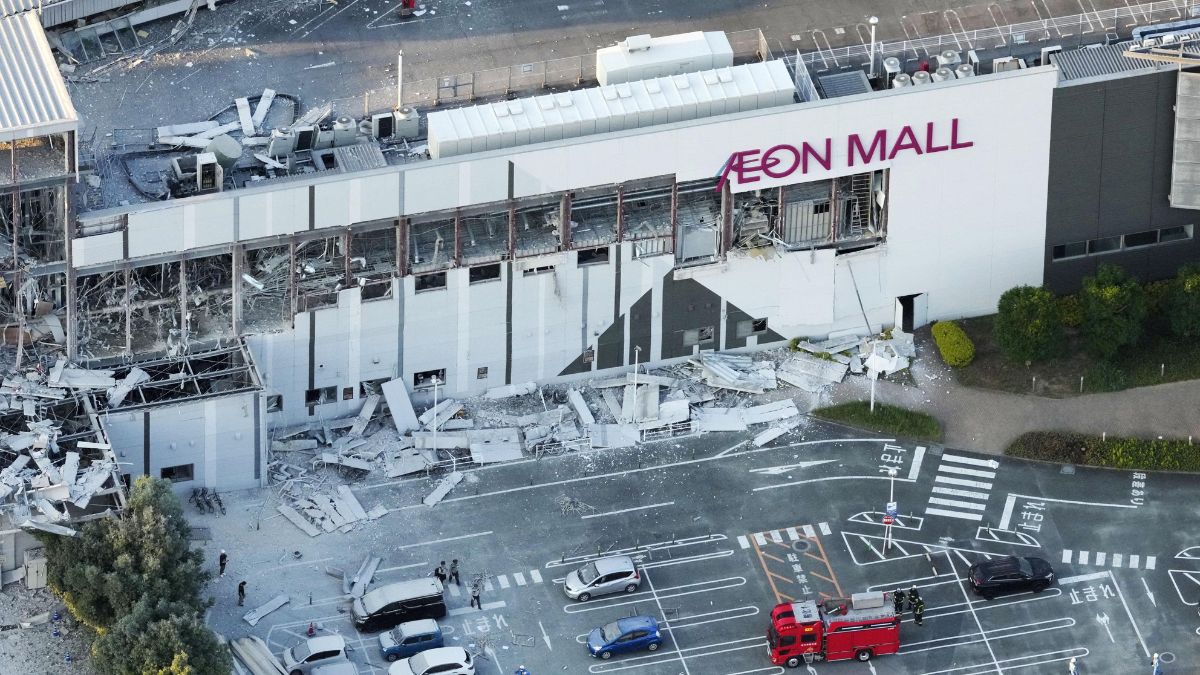
Emergency services responded to severe damage centered around Kumamoto prefecture, where a shopping complex suffered a catastrophic partial collapse. The fire department reported that the second floor of a shopping complex in Kashima town collapsed, trapping numerous people inside.

An explosion occurred at the Aeon shopping mall in Kashima following the tremor, sending a large cloud of smoke into the air.
“It was a huge impact. A large cloud of smoke billowed up, and because the wind happened to be blowing and the wind direction was towards the shop, the area around us was in a state like volcanic ash was falling.”
Kazuya Tsurunaga, local resident
An Aeon spokesperson confirmed that customers and employees evacuated right after the initial quake, though the exact cause of the subsequent explosion remained unclear.
Government Response, Infrastructure Disruptions, and Tsunami Advisory Lifted
Prime Minister Sanae Takaichi told reporters that casualty assessments were underway while the government prioritized rescue operations. Japan’s Fire and Disaster Management Agency reported that more than 60,000 people had been ordered to evacuate across Fukuoka, Nagasaki, and Kumamoto prefectures.
 "Photo: firstpost.com")
“We are putting people’s lives as the top priority.”
Sanae Takaichi, Japanese Prime Minister
A temporary tsunami advisory covering the Ariake and Yatsushiro Seas was lifted within two hours after meteorological officials observed no tsunami waves. However, the physical toll on transportation and industry was immediate. Rail operators suspended services including high-speed bullet trains, the runway at Kumamoto airport shut down due to cancellations and diversions, and a freight train derailed in Kumamoto though its sole driver escaped uninjured.
Major industrial firms in the region, including chipmaker TSMC alongside Sony and Fujifilm, evacuated workers from local plants as a precaution. Nuclear regulators confirmed that no irregularities were found at nearby nuclear power stations, including the Sendai and Genkai plants.
Echoes of Past Disasters and Aftershock Warnings
The disaster brought back painful memories for residents of Kumamoto, which was devastated by a deadly quake a decade ago in 2016 that killed more than 50 people. Portions of the historic stone walls at Kumamoto Castle collapsed during Tuesday’s shaking.
Local officials and residents noted the psychological weight of the event. Hiroki Shimoda, an official at the Mifune town hall, watched rooftiles crash down and remarked that the shaking reminded him of the 2016 Kumamoto earthquake and left him frightened.
Shinji Kiyomoto, planning officer for JMA’s Earthquake and Tsunami Countermeasures, warned that the shallow tremor is triggering active seismic movement that requires extreme caution over the next two to three days, with aftershocks potentially reaching maximum intensity levels continuing for about a week.
Related reading
Worker Dies After Being Struck by Compressed Air Hose at Jurong Port Road
A 35-year-old worker died at a Jurong Port Road construction site on September 11, 2026, after being struck...

Singapore Police Investigate Three Traffic Officers Over Unsafe Riding Footage
The clip, which surfaced online, shows the outriders cutting across lanes and forcing sudden braking near the Traffic...

Justice Department Deports Legal Resident to Afghanistan in First ATRC Case
The Justice Department deported a 47-year-old legal U.S.

Mahnoor Safdar Marries Azan Jabbar Today at Jati Umra Estate
The private family gathering brings together close family and invited guests for the celebration.