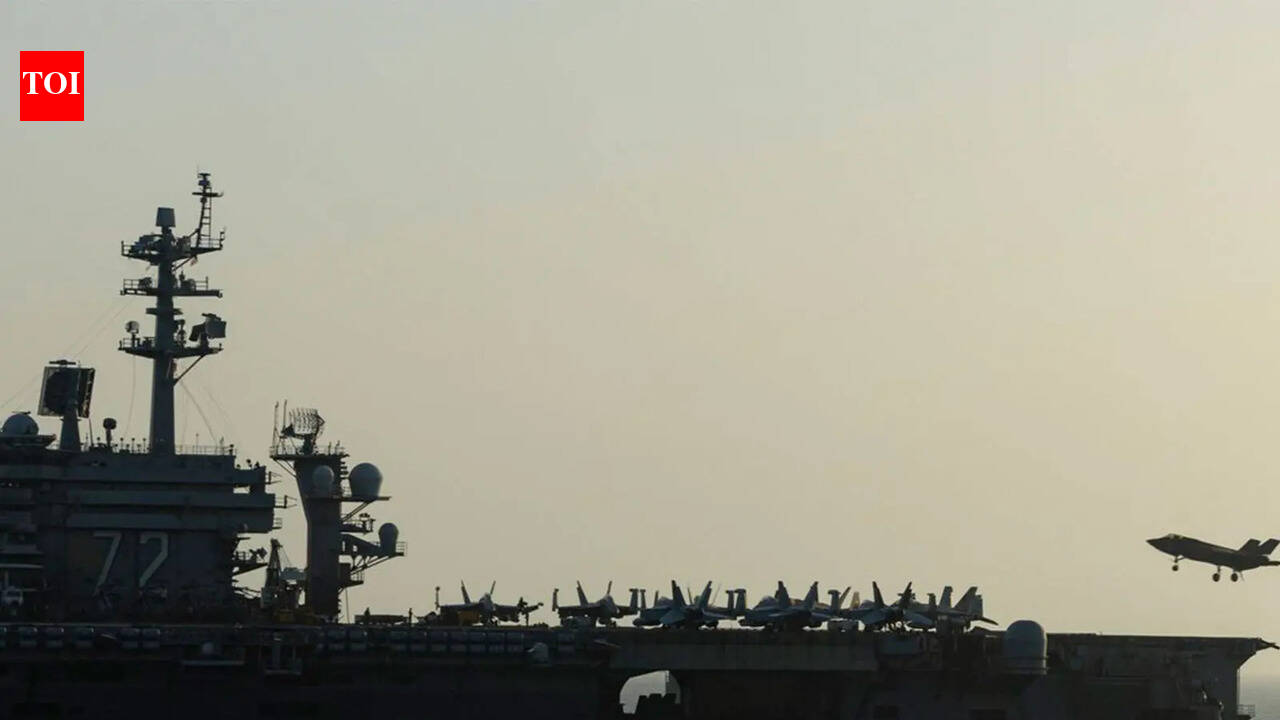
The United States military launched a series of “heavy” retaliatory strikes against Iran on Wednesday, targeting military command centers and drone facilities. The operation followed attempted Iranian ballistic missile attacks on U.S. forces in Jordan and strikes on commercial tankers in the Strait of Hormuz.
The escalation marks a sharp turn in a conflict that has persisted for five months. While President Donald Trump previously suggested the war would last only a few weeks, the latest wave of strikes suggests a deepening cycle of retaliation. The U.S. military, via Central Command (CENTCOM), described the operation as a powerful response
to Iranian aggression against Middle East-based forces.
Targeting the IRGC: Command Centers and Coastal Defense
The U.S. offensive focused on degrading Iran’s ability to disrupt international trade and launch aerial attacks. According to reporting from the Mirror, the U.S. hit over 80 targets with precision munitions. These targets included air defense systems, command and control networks, coastal radar sites, and anti-ship missile capabilities.
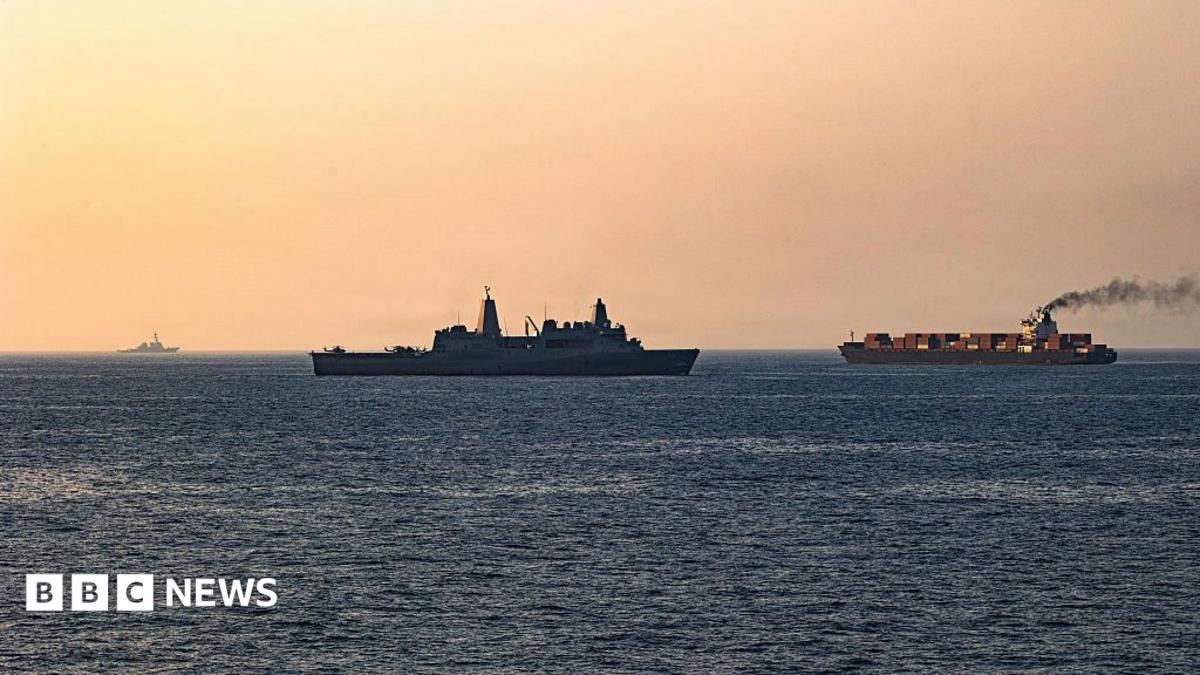
A significant portion of the strike focused on the Islamic Revolutionary Guard Corps (IRGC) naval assets. CENTCOM reported the destruction of more than 60 IRGC small boats in and near the Strait of Hormuz. The objective was to diminish Tehran’s capacity to target commercial shipping in the vital trade corridor.
The strikes began at 20:00 ET on Wednesday and lasted approximately one hour. While the U.S. reports a successful operation, Iranian state media reported explosions east and west of Bandar Abbas, with projectiles striking fishing and commercial piers at Sirik Port.
The Strait of Hormuz: Tanker Attacks and Drone Intercepts
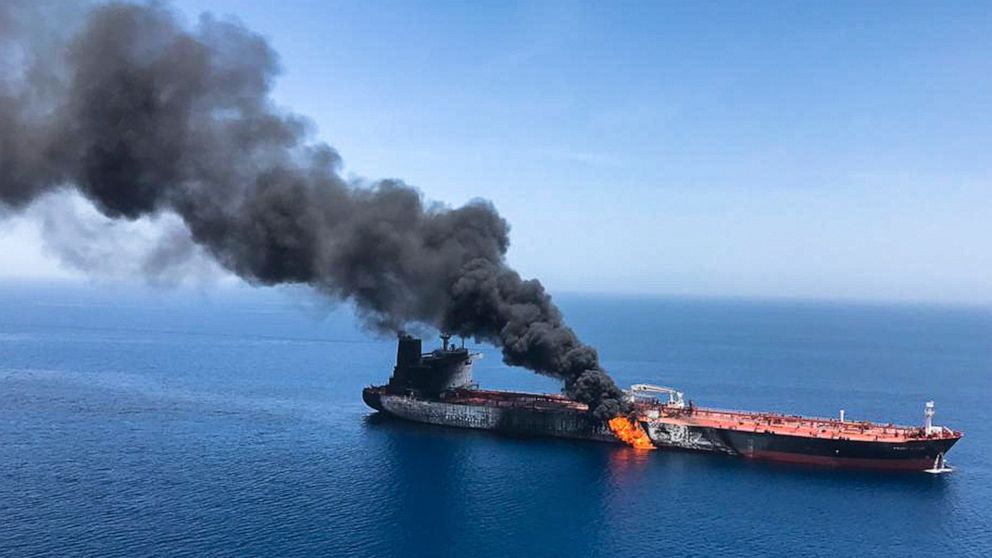
The immediate catalyst for the strikes was a series of attacks on commercial vessels. Three merchant ships were struck off the coast of Oman, the highest number of single-day attacks recorded since late April, according to the UN International Maritime Organization. The U.S. characterized these actions as a clear violation of the ceasefire.
Specific incidents involved the Japanese-owned Kokuka Courageous and the Front Altair. The U.S. asserts that the IRGC placed mines on the ship’s hulls. During the chaos, Iran attempted to disrupt U.S. surveillance by firing a modified SA-7 surface-to-air missile at an MQ-9 Reaper drone. The missile missed the aircraft by approximately one kilometer.
The aftermath of the tanker attacks revealed a tense standoff over crew safety. The 23 mariners from the Front Altair were rescued by the Hyundai Dubai, but Iranian small boats demanded the crew be turned over. Despite instructions from Seoul to resist, the ship’s master complied. The crew was held in Iran for two days before being flown to Dubai.
Civilian Casualties and the Qeshm Island Strike
The human cost of the retaliatory strikes has emerged through Iranian state media. In the Chah Tangu neighborhood of Qeshm island—an area central to the oil industry—a U.S. attack on a residential home killed three members of a family. The Hormozgan University of Medical Sciences reported that those killed were the father, the mother, and their 2-year-old child.
This civilian casualty report contrasts with the U.S. military’s focus on precision military targets. Tehran has used these deaths to frame the U.S. military as a child-killing army
, while the IRGC maintains its own strikes on U.S. bases in Jordan were a necessary response to American aggression.
Diplomatic Collapse: Revoked Oil Licenses and Failed Truces
The military escalation coincided with a collapse in diplomatic efforts. Hours after the tanker attacks, the U.S. revoked a 60-day license that had temporarily waived sanctions on Iranian oil as part of the interim deal to end the fighting.
The revocation of the oil license, paired with the “heavy” strikes, indicates that the U.S. has shifted from a policy of proportional response to one of punishment. A U.S. official told CNN that the strikes were intended as punishment, not proportional
and would continue for some time.
The geopolitical tension extends beyond the U.S. and Iran. The conflict has seen the first publicly announced joint U.S.-Saudi strikes targeting Iranian proxies in Iraq.
While the U.S.
Worth a look
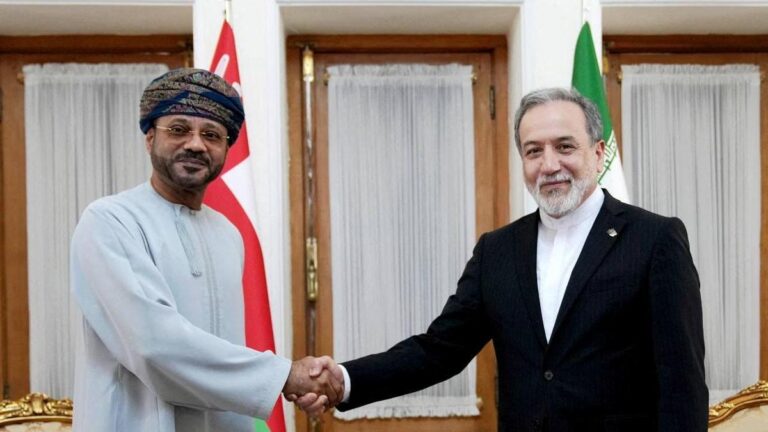
Iran and Gulf Nations Postpone Oman Talks Over Regional Consensus
The delay comes as oil prices fluctuate, U.S. economic sanctions expand, and military tensions in the region escalate...
After Louvre Heist, Robberies Continue at French Museums
Following a dramatic daytime heist at the Louvre, a string of break-ins has struck museums and churches across...
Supermarkets Replace Atlantic Mackerel With Jack Mackerel Amid Skimpflation Warnings
Tinned mackerel on UK supermarket shelves is increasingly being swapped for Chilean jack mackerel due to severe Atlantic...

King Oyo Buried in Uganda as Family Battles Over Tooro Kingdom Successor
Thousands gathered in western Uganda on September 12, 2026, to bury King Oyo Nyimba Kabamba Iguru Rukidi IV...