Following a new wave of attacks on commercial shipping in the Strait of Hormuz, the United States has launched powerful airstrikes against Iranian military targets. The escalation abruptly shatters a fragile April ceasefire and protocol agreement, sending global oil prices surging as diplomatic efforts collapse.
The Strait of Hormuz Flashpoint and the Collapse of the April Ceasefire
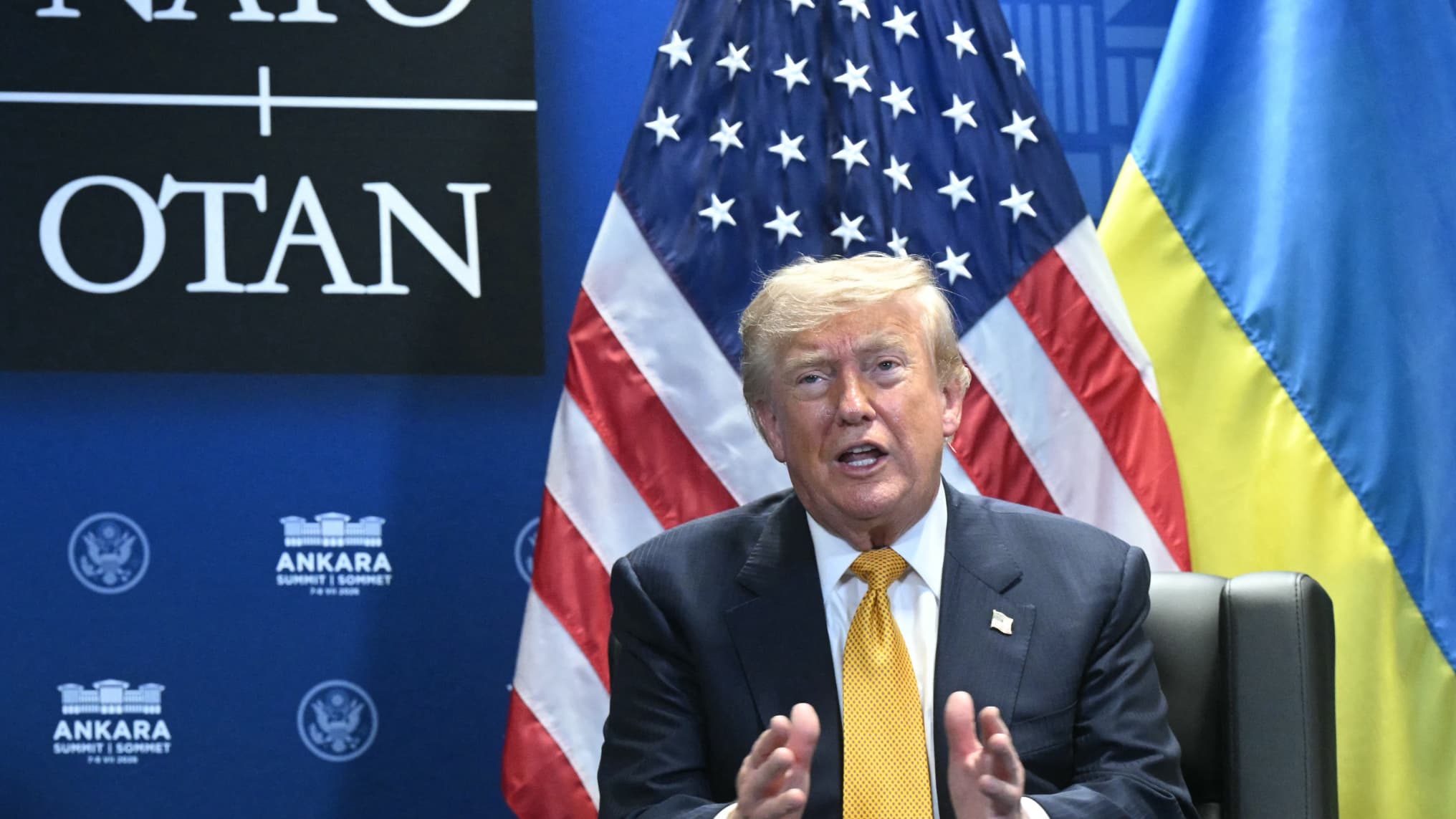
The tenuous ceasefire that took effect on 8 April after roughly 40 days of intense combat operations has officially fallen apart. US President Donald Trump declared the truce terminé
during the NATO summit in Ankara, following a violent 48-hour escalation sparked by renewed Iranian control and vessel restrictions in the strategic Strait of Hormuz, according to regional reporting.
Before the conflict began, approximately 20% of the world’s petroleum transited the narrow passage. Iran’s insistence on maintaining control of the waterway and restricting transit led directly to a new series of maritime incidents over the weekend. On Monday, a Qatari liquefied natural gas carrier and an oil tanker were hit by similar attacks.
Doha held Tehran fully responsible for the damage and resulting consequences, while Saudi Arabia similarly condemned the strikes on its tanker as a direct threat to international navigation and global energy supplies.
American Airstrikes and Regional Retaliation Across the Gulf
Responding to the maritime attacks, the US Central Command (CENTCOM) initiated a series of heavy airstrikes targeting Iranian air defense systems, coastal radars, missile and drone capabilities, and small craft. State media in Iran reported explosions across several southern and western areas, including the island of Qeshm, the port city of Bandar Abbas, and Mahchahr, where a local official confirmed at least one person was killed and four others were wounded.
The renewed military engagement prompted swift retaliatory actions from Tehran.
Assessing the Strain on US Munitions and Defense Production
Behind the immediate tactical exchanges lies a pressing question regarding the depth of American military stockpiles. During the initial phase of the conflict, designated as Operation Epic Fury, US forces struck over 13,000 targets and intercepted more than 1,700 drones and ballistic missiles. Defense analyses from the Center for Strategic and International Studies (CSIS) indicate that these operations depleted significant portions of key inventories.
| Munition Type | Estimated Stockpile Reduction | Monthly Production Rate |
|---|---|---|
| THAAD Interceptors | At least half used | 0 scheduled for 2026 |
| Patriot Interceptors | Nearly half used | 20 per month |
| Tomahawk Missiles | Around 30% used | 15 per month |
Defense analysts point out that replacing these high-end precision munitions will take years. Mark Cancian, a senior defense analyst at CSIS, noted that replenishment rates are slow, with current fiscal year schedules yielding only about 15 Tomahawks and 20 Patriots monthly, alongside zero scheduled THAAD deliveries for 2026. Elaine McCusker of the American Enterprise Institute estimated that restoring inventories to pre-war levels will require a timeframe measured in years, ranging from two to five for most items.
While the White House invoked the Defense Production Act to streamline manufacturing and secure industrial agreements—and recently licensed production capabilities to international partners like Ukraine—analysts emphasize that expanding complex defense supply chains remains a protracted challenge. Meanwhile, administrative requests for additional wartime funding continue to face a difficult path in Congress.
Contradictory Signals on Iran’s Nuclear Program
As hostilities resume, the justifications offered by Washington for the conflict have faced renewed scrutiny. Despite initial war aims centered on preventing Tehran from acquiring a nuclear weapon and recovering specific nuclear material, President Trump asserted during the NATO summit that the broader objective had already been successfully accomplished.

“Fui allí per una sola razón: que Irán no pudiera tener un arma nuclear. Yo lo llamo desnuclearizar a Irán. Y eso ya ocurrió; nunca tendrán un arma nuclear.”
Donald Trump, US President
Trump maintained that Iran’s nuclear material is buried deep beneath mountainous terrain and that ongoing space-based and remote monitoring systems provide permanent verification, rendering physical recovery of the material unnecessary. These statements contrast sharply with earlier administration positions, which treated obtaining the nuclear material as an absolute prerequisite and a non-negotiable red line.
Economic Fallout and Market Reactions
The disruption in the Strait of Hormuz immediately rattled global energy markets. Following the announcements of renewed closures and subsequent military strikes, the international benchmark Brent crude for September delivery jumped to $79.13 per barrel in early trading.

With the diplomatic framework established at Versailles effectively dismantled by the recent exchange of strikes, the primary question remains whether international mediators can resurrect negotiations before regional maritime commerce suffers permanent dislocation.
Keep reading
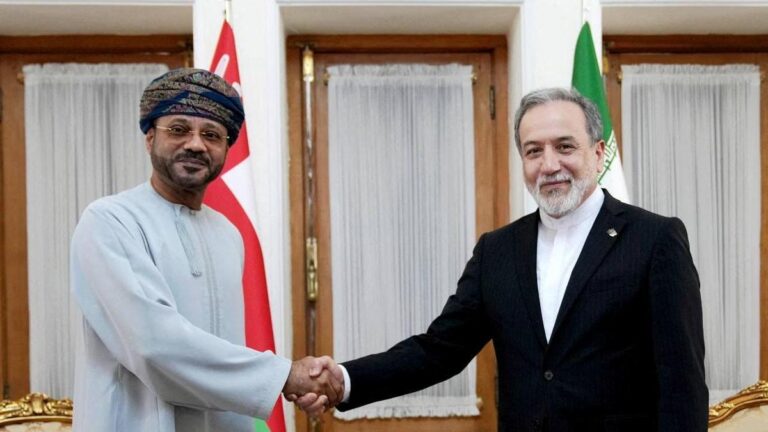
Iran and Gulf Nations Postpone Oman Talks Over Regional Consensus
The delay comes as oil prices fluctuate, U.S. economic sanctions expand, and military tensions in the region escalate...

After Louvre Heist, Robberies Continue at French Museums
Following a dramatic daytime heist at the Louvre, a string of break-ins has struck museums and churches across...
Supermarkets Replace Atlantic Mackerel With Jack Mackerel Amid Skimpflation Warnings
Tinned mackerel on UK supermarket shelves is increasingly being swapped for Chilean jack mackerel due to severe Atlantic...

King Oyo Buried in Uganda as Family Battles Over Tooro Kingdom Successor
Thousands gathered in western Uganda on September 12, 2026, to bury King Oyo Nyimba Kabamba Iguru Rukidi IV...