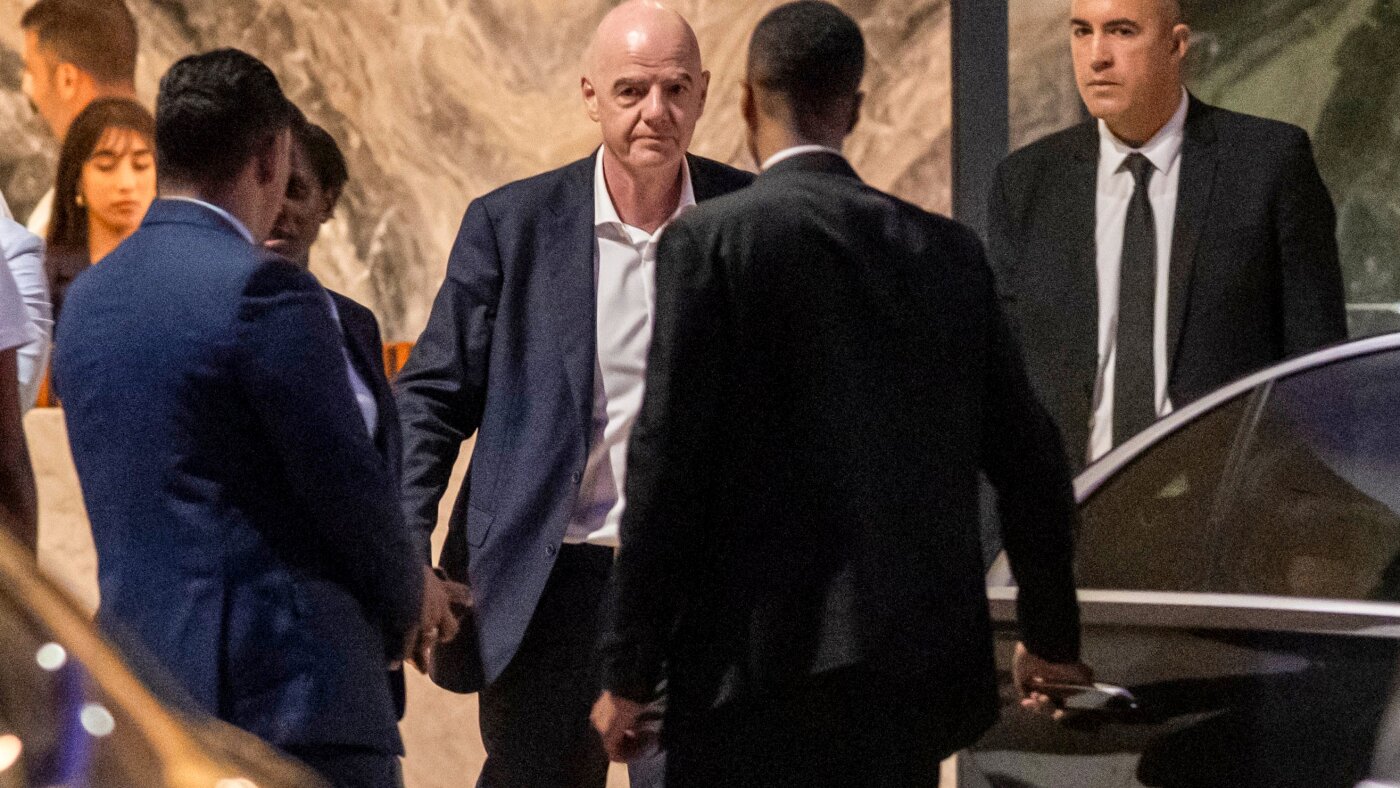
FIFA president Gianni Infantino secured internal backing from senior executives during a crisis meeting in Rabat, Morocco, on August 5, 2026. Infantino apologized to member associations for mishandling an abandoned plan to sell World Cup commercial rights, even as European leagues and political leaders called for his resignation ahead of March elections.
Crisis Talks in Rabat and the Apology to Member Associations
World soccer governing body FIFA attempted to present a unified front in Morocco after a tumultuous week sparked by the abandoned proposal to sell a 20% stake in a new commercial rights entity called FIFA Forward Enterprise (FFE). The plan, which would have involved private investors and raised roughly $4.2 billion for football development, drew fierce pushback from stakeholders who accused leadership of operating without adequate consultation.
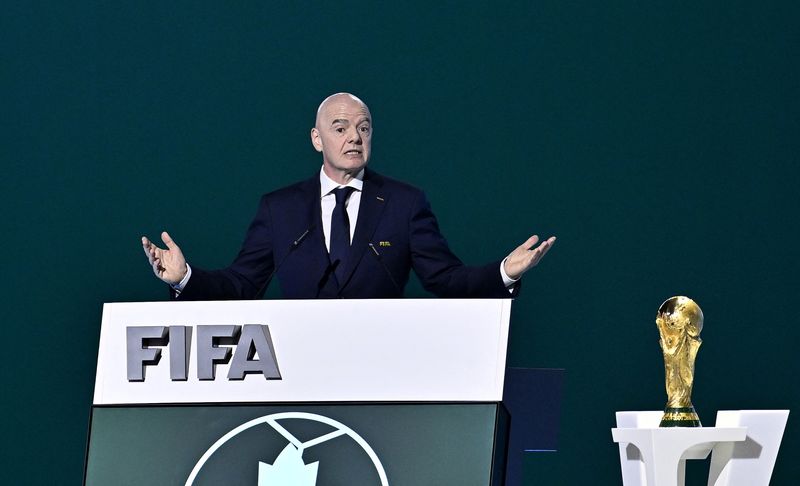
In a joint statement, Secretary-General Mattias Grafström and management board members in attendance reaffirmed their full support for Infantino as the sole official elected by the 211 member associations. Infantino reciprocated by backing Grafström and the administrative team.
Behind closed doors, leadership acknowledged missteps. FIFA acknowledged that mistakes made in the process should have been handled differently and admitted it was never the intention for the FIFA Council or member associations to feel excluded. A separate letter went out to council members and member associations containing formal apologies and a promise to conduct a review ahead of the next scheduled meeting.
Internal Division and High-Profile Resignations
Despite the public display of solidarity in Rabat, the fallout from the FFE proposal exposed deep fractures within soccer’s administrative ranks. Senior officials distanced themselves from the initiative as criticism mounted across Europe and the Americas.
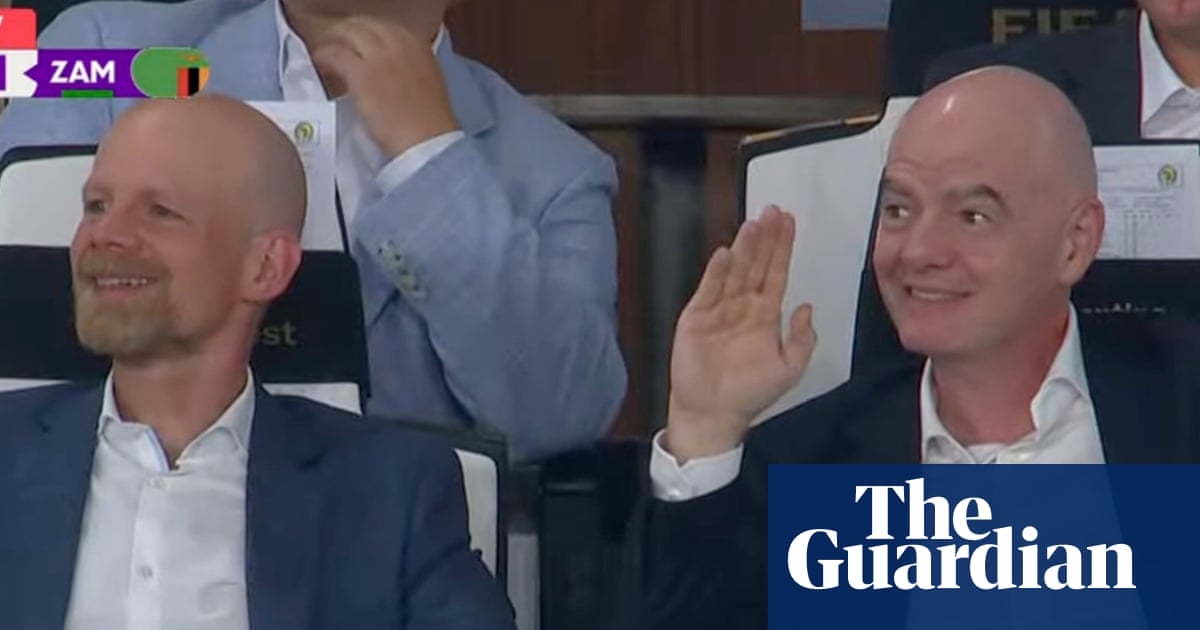
Grafström had previously sent an internal memo to staff describing the preceding week as a sad and reproachable series of events.
Chief operating officer Kevin Lamour told staff members that they had been deceived by a lack of openness regarding the plan, while senior adviser Carlos Cordeiro resigned from his post.
With the project officially abandoned, FIFA declared that it would no longer tolerate any attacks on its integrity, good governance, and due process, warning that it will take all necessary measures to safeguard its reputation. Yet external resistance remains fierce as the March presidential election approaches.
External Backlash from European Leagues and National Governments
The resistance extends far beyond internal management disagreements. The association of European soccer leagues—including the Premier League, La Liga, and Serie A—denounced the FFE proposal as dangerous.
- CONCACAF, the governing body for North and Central American and Caribbean soccer, stated that FIFA leadership had stopped putting football first.
Global Alliances and the Road to the March Elections
While European stakeholders search for an alternative candidate to challenge Infantino, the president retains a strong base of support among national associations in regions that rely heavily on FIFA development funding. The Moroccan football federation reaffirmed its backing, and leaders across Africa’s 54 member associations have sent messages of support.
Infantino is aiming to secure a fourth and final term during the March elections.
Keep reading
Michael Carrick Defends Kobbie Mainoo Substitution After Fan Boos
Manchester United manager Michael Carrick faced vocal supporter anger at Craven Cottage on September 20, 2026, after substituting...
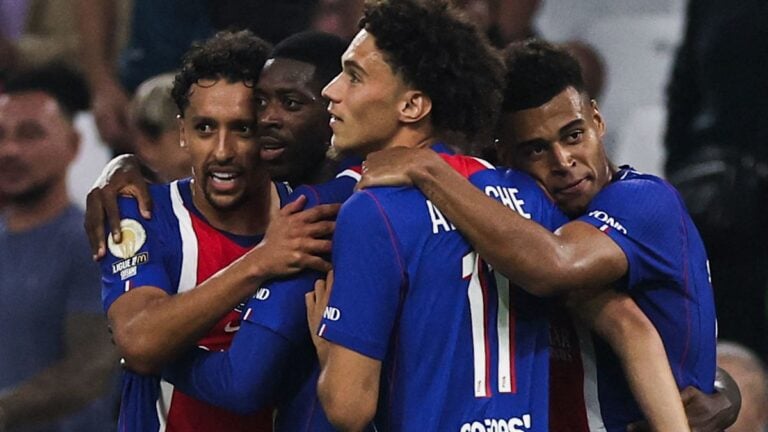
Marquinhos Scores Late Winner as PSG Edges Marseille in Le Classique
Paris Saint-Germain captain Marquinhos scored a decisive late header to secure a victory over Marseille at the Orange...
Colts vs. Chiefs: How to Watch and Stream Sunday Night Football on NBC
The Kansas City Chiefs host the Indianapolis Colts in a prime-time Sunday Night Football clash at Arrowhead Stadium...
Memphis Depay Omitted from Xavi Squad for Nations League Matches
Netherlands head coach Xavi Hernández left all-time leading scorer Memphis Depay out of his 26-man squad for upcoming...