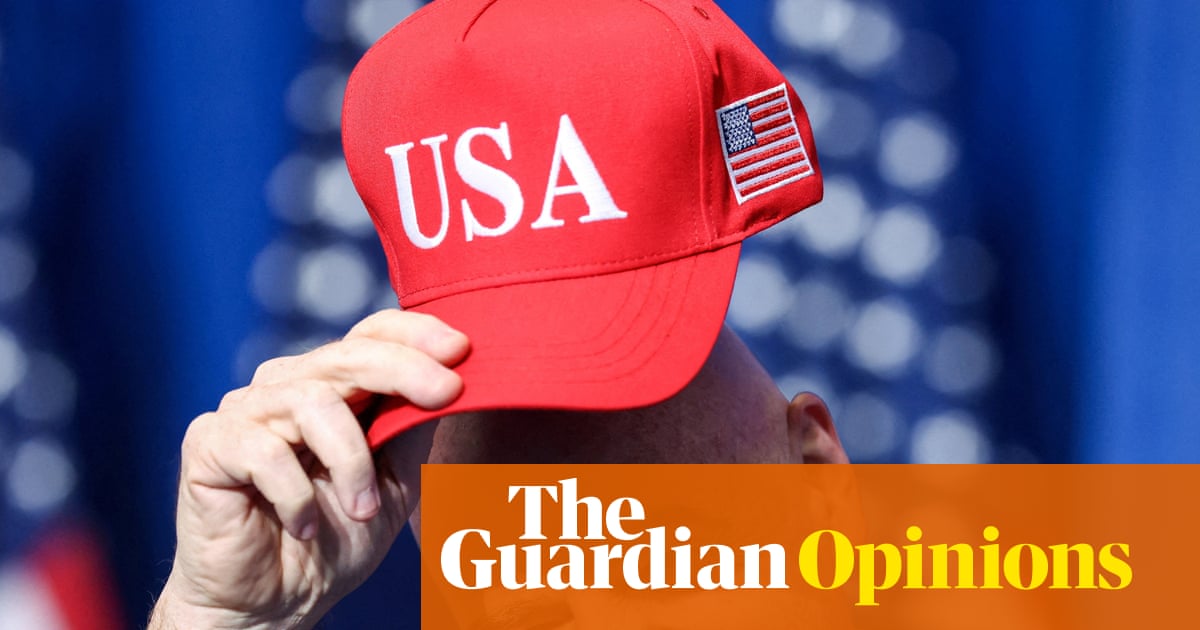
Trump Admits Pressure on FIFA Over Balogun Suspension
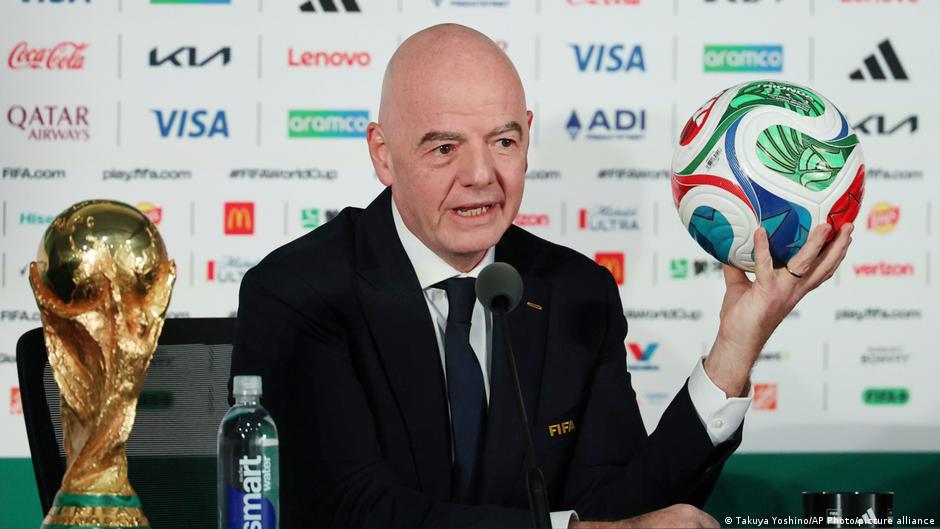
U.S. President Donald Trump admitted to pressuring FIFA to overturn the red-card suspension of U.S. striker Folarin Balogun ahead of the 2026 World Cup, according to a statement made on Monday. Trump told reporters, “I was the one that got them to do it,” referring to FIFA’s decision to lift Balogun’s one-match ban. The suspension had been imposed after Balogun received a red card during the U.S. team’s 1-0 victory over Bosnia-Herzegovina on July 1. The decision to suspend Balogun typically would have barred him from playing in the team’s next match, which came against Belgium in the Round of 16. The U.S. lost 1-0 to Belgium, exiting the tournament.
FIFA has denied that Trump’s intervention influenced the decision, stating in a statement that “judicial bodies are independent and operate autonomously.” However, the organization did not provide an explanation for why the disciplinary committee, which had not reviewed any other World Cup decisions, ruled to lift the suspension. The move sparked immediate backlash, with critics accusing FIFA of compromising the integrity of the sport.
FIFA Denies Influence, Faces Calls for Investigation
FIFA’s response to the controversy emphasized the independence of its disciplinary processes, but the episode has intensified scrutiny of its leadership. Gianni Infantino, FIFA’s president, has faced particular criticism for his close relationship with Trump. The U.S. team’s exit from the World Cup coincided with a broader backlash against FIFA’s governance, including its decision to award Trump the FIFA Peace Prize in December 2023, just weeks before the U.S. launched military actions against Iran-linked targets in the Middle East.
European lawmakers have called for an investigation into Infantino’s role. Barry Andrews, Lara Wolters, and Niels Fuglsang, members of the European Parliament, issued a joint statement condemning FIFA’s decision as “a disgrace and a perversion of justice.” They demanded that the FIFA Ethics Committee investigate whether political pressure from the Trump administration influenced the suspension’s reversal. The lawmakers also highlighted “other potential breaches of political neutrality,” including the awarding of the Peace Prize.
European Parliament Demands Probe into Infantino’s Actions

The European Parliament is gathering support for a formal inquiry into Infantino’s conduct. A letter signed by 35 lawmakers accuses FIFA of “surrendering to the demands of the Trump administration” and calls for an investigation into whether the organization violated its own statutes by allowing political interference. The lawmakers emphasized that FIFA’s rules prohibit “political pressure” from influencing disciplinary decisions, yet the Balogun case appears to have bypassed standard procedures.
The controversy has also drawn attention to broader governance issues within FIFA. Infantino’s leadership has been marked by controversies, including the 2030 World Cup’s planned hosting by Europe, Africa, and South America, which cleared the way for Saudi Arabia to host the 2034 tournament. Critics argue that the decision prioritized commercial interests over the organization’s stated principles of fairness and transparency.
Broader Context of FIFA’s Governance Controversies
The Balogun incident is part of a larger pattern of criticism targeting FIFA’s leadership. The organization has faced repeated accusations of corruption, with past scandals involving bribery and match-fixing. Infantino’s tenure has also been marked by disputes over ticket pricing, fan access, and the treatment of migrant workers involved in World Cup infrastructure projects.
FIFA’s financial structure, which relies heavily on the World Cup’s revenue, has further fueled concerns about its accountability. Governance experts, including former FIFA official Miguel Maduro, have criticized the organization’s “system of patronage,” where financial rewards are used to consolidate power. Maduro, who was dismissed from FIFA’s governance committee in 2017 for enforcing political neutrality rules, argued that “the commercial dimension is the bedrock of FIFA’s system of power.”
The European Union has been urged to take a more active role in reforming FIFA. Nick McGeehan of the human rights group FairSquare called for political intervention, stating, “There is no other way to fix FIFA.” He suggested that the EU could regulate football similarly to how it governs sectors like Big Tech.
Stakes and Implications for Global Football
The Balogun controversy underscores the tension between sports governance and political influence. While FIFA insists on its independence, the incident has raised questions about the organization’s ability to resist external pressures. For the U.S. team, the suspension’s reversal did not prevent their exit from the tournament, but it has cast a shadow over their performance.
The episode also highlights the broader challenges facing global football. With the 2030 World Cup plans and ongoing governance debates, FIFA’s legitimacy is under increasing scrutiny. As European lawmakers push for accountability, the organization faces a critical test in maintaining its credibility. For now, the focus remains on whether FIFA can restore trust in its processes—or if the Balogun case will mark the beginning of a more profound reckoning.
Find more reporting in our Sports section.
Related reading
Harry Kane Scores Twice in Landmark England Win Against Czechia
England defeated Czechia 3-0 at Wembley Stadium on October 6, 2026, driven by two goals from Harry Kane...
Super Eagles Fight Back To Secure 3-3 Draw Against Russia
Nigeria's depleted Super Eagles fought back from a two-goal deficit to secure a dramatic 3-3 draw against Russia...
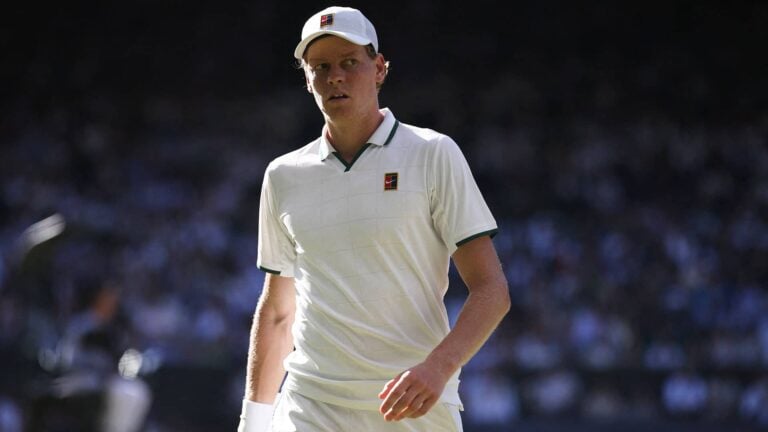
Jannik Sinner Ends 2026 Tennis Season Early Due to Knee Injury
World No. 1 Jannik Sinner has ended his 2026 tennis season early due to an ongoing right knee...
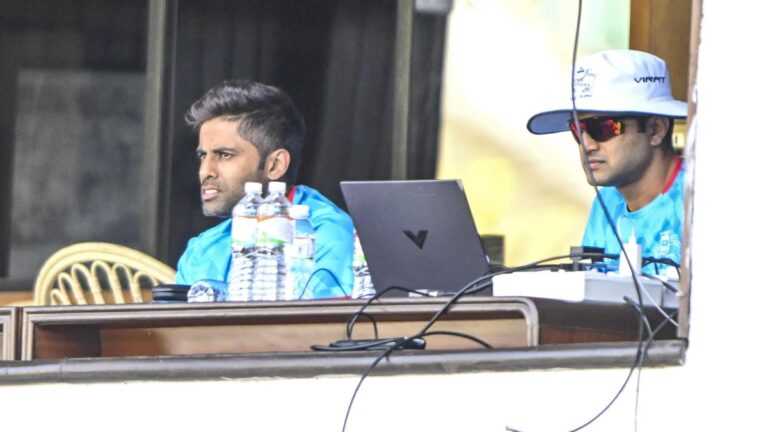
Mumbai Name Ayush Mhatre Vice-Captain, Leave Out Suryakumar Yadav
Mumbai left veteran Suryakumar Yadav out of their Ranji Trophy season-opener against Chandigarh despite his availability, naming Siddhesh...