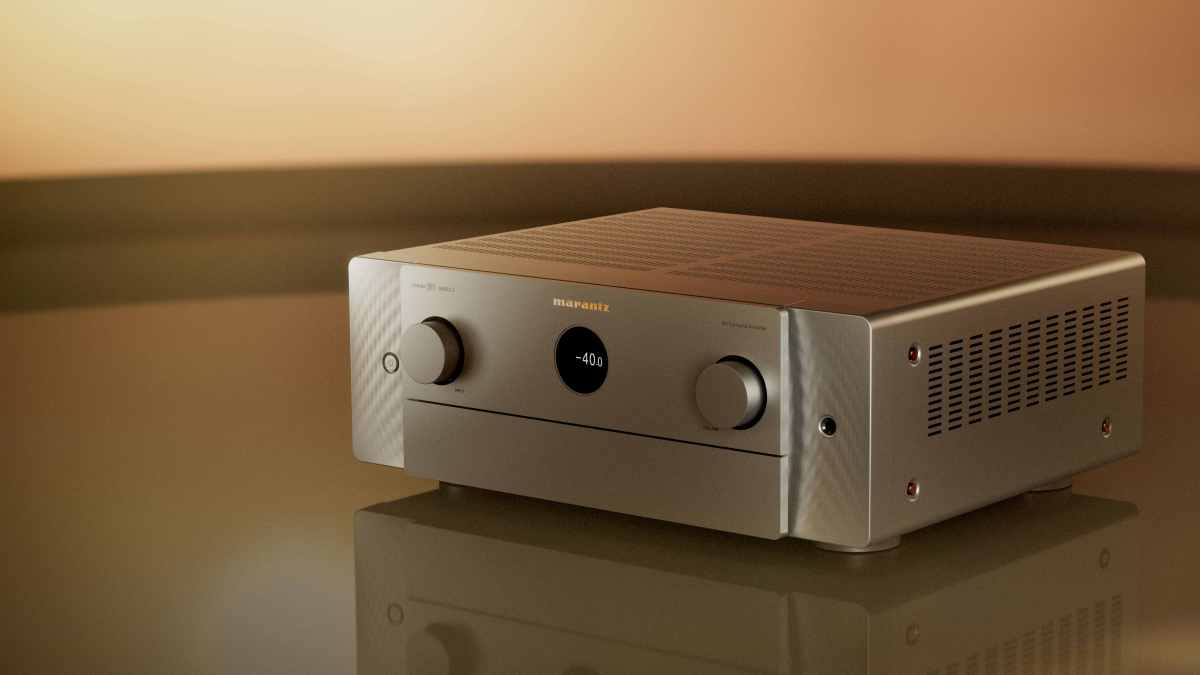
Marantz has refreshed its home theatre hardware with the launch of the Cinema Series 2 range, introducing upgraded audio processing, expanded gaming compatibility, and enhanced streaming capabilities. According to Theluxereview, the incoming line comprises the flagship Cinema 50 Series 2, the Cinema 60 Series 2, the European-only Cinema 60 DAB Series 2, and the compact Cinema 70s Series 2.
Marantz Expands Home Cinema Lineup With Cinema Series 2 Receivers
Externally, the receivers preserve the clean industrial design of the earlier CINEMA line, maintaining the signature porthole display and sculpted fascia. Inside, copper hardware, carefully selected components, and revised construction continue the brand’s emphasis on engineering quality and long-term reliability. Final sound tuning for every model continues to be carried out by the Marantz Sound Master in Japan.
Upgraded 32-Bit DAC Architecture and Audio Processing
The primary internal hardware upgrade across the new lineup is a 32-bit, eight-channel digital-to-analogue converter. According to What Hi-Fi?, this component delivers dedicated simultaneous high-resolution conversion across every channel. Marantz states that the new architecture improves timing accuracy, sharpens stereo imaging, enhances dynamics, and creates a more coherent surround sound field.
The flagship Cinema 50 Series 2 provides nine channels of 110W amplification and supports 11.4-channel processing for dedicated rooms and ambitious speaker layouts. It also features exclusive additions, including a Dolby Atmos Channel Expander designed to utilize all available speakers during channel-based Atmos playback, and a Centre Bi-Amp Mode intended to improve dialogue clarity.
Mid-range options include the Cinema 60 Series 2 and the European-only Cinema 60 DAB Series 2, which deliver seven channels at 100W per channel. Meanwhile, the slimline Cinema 70s Series 2 is built for space-constrained living rooms, delivering 50W across seven channels while benefiting from the same digital platform and connectivity options as its larger siblings. Across all models, full-channel preamp outputs allow owners to connect external power amplifiers as their systems evolve.
Gaming Features, Connectivity, and Installation Tools
The Series 2 family introduces several gaming and connectivity upgrades. Every receiver in the new range supports 1440p video pass-through, AMD FreeSync compatibility, and 4K 120Hz video alongside existing HDMI 2.1 functionality, aimed at providing smoother gameplay with PCs and consoles.
Streaming performance is supported by an updated HEOS multi-room platform designed for faster operation and improved whole-home performance. Additionally, a future firmware update is scheduled to add low-latency Bluetooth LE Audio to reduce wireless listening delays with compatible headphones and mobile devices.
For professional installers and advanced users, channelnews.com.au reports that Marantz has introduced Web Control 2.0, allowing users to configure receivers via a smartphone, tablet, or computer without relying on television menus. HDMI Diagnostics 2.0 and Channel Level Monitoring provide real-time visibility of speaker activity. Dirac Live Room Correction support has also been expanded: the Cinema 60 Series 2 and Cinema 70s Series 2 are upgradeable to Dirac Live, while the flagship Cinema 50 Series 2 continues to support Room Correction, Bass Control, and Active Room Treatment.
Pricing and Regional Availability
The new receivers launch across multiple global markets with varying release schedules and regional pricing:
* Cinema 50 Series 2: £1,850 / $3,000 / AU$3,500 (9 channels, 110W, 11.4 processing) * Cinema 60 Series 2: $2,000 / AU$2,500 (US and Australia only; 7 channels, 100W) * Cinema 60 DAB Series 2: £1,250 (UK only; 7 channels, 100W) * Cinema 70s Series 2: £950 / $1,500 / AU$1800 (Slimline; 7 channels, 50W)
The receivers are slated to roll out starting in August, with the slimline Cinema 70s Series 2 following in September, and Australian models arriving from mid-September.
Keep reading

Meta Develops Camera-Free Smart Glasses Amid Privacy Backlash
Meta is overhauling its wearable hardware strategy following widespread privacy backlash over covert recordings.
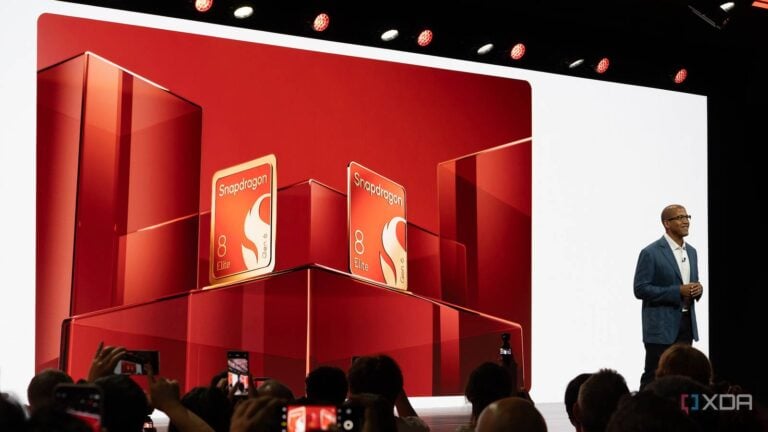
Qualcomm Unveils Snapdragon 8 Elite Gen 6 Chips to Power Agentic AI
The launch targets on-device agentic AI as the smartphone industry faces a broader contraction driven by skyrocketing memory...

IO Interactive Delays 007 First Light on Switch 2 Until March 2027
IO Interactive has pushed back the Nintendo Switch 2 launch of 007 First Light to March 2027, marking...
/article-new/2025/03/Foldable-iPhone-2023-Feature-Homescreen.jpg)
Ookla Releases Android Foldable Benchmarks Ahead of iPhone Duo Launch
Ookla has released comprehensive speed and signal benchmarks for Android foldables in the United States ahead of Apple's...