/article-new/2025/03/Foldable-iPhone-2023-Feature-Homescreen.jpg)
Ookla has released comprehensive speed and signal benchmarks for Android foldables in the United States ahead of Apple’s upcoming iPhone Duo launch. The data highlights performance across Samsung and Google devices, providing key comparisons as mobile users weigh their options for foldable smartphones.
Android Foldable Benchmarks and the Apple Watch-Like iPhone Duo Loom
With Apple’s first foldable device, the iPhone Duo, slated for an official launch in just a month on October 23, Android users are evaluating how competing devices stack up. According to Mashable reporting on data from Speedtest.net creator Ookla, comprehensive performance metrics for major U.S. foldable smartphones have arrived just in time for holiday or late-year upgrade decisions. Ookla’s evaluation covers six popular U.S. foldable models: Samsung’s Galaxy Z Fold6, Fold7, Fold8, Fold8 Ultra, and Flip6, alongside Google’s Pixel 10 Pro Fold.
To establish a baseline, Ookla tested these devices against their respective generation’s slab models sharing the same chipset—such as the Galaxy S26 Ultra used as a control. While antenna placement and device firmware introduce minor variables, this comparative methodology offers a clear look at how folding hardware handles network stress.
Samsung Galaxy Z Fold8 Ultra Speeds Versus Signal Quality Tradeoffs
When it comes to raw speed, the Galaxy Z Fold8 Ultra emerged as the clear winner, excelling in download speed, upload speed, and packet-loss reduction, according to Ookla’s report. The base Galaxy Z Fold8 model kept close pace, actually performing slightly better than the Ultra in median download speed while trailing in other speed-related metrics.
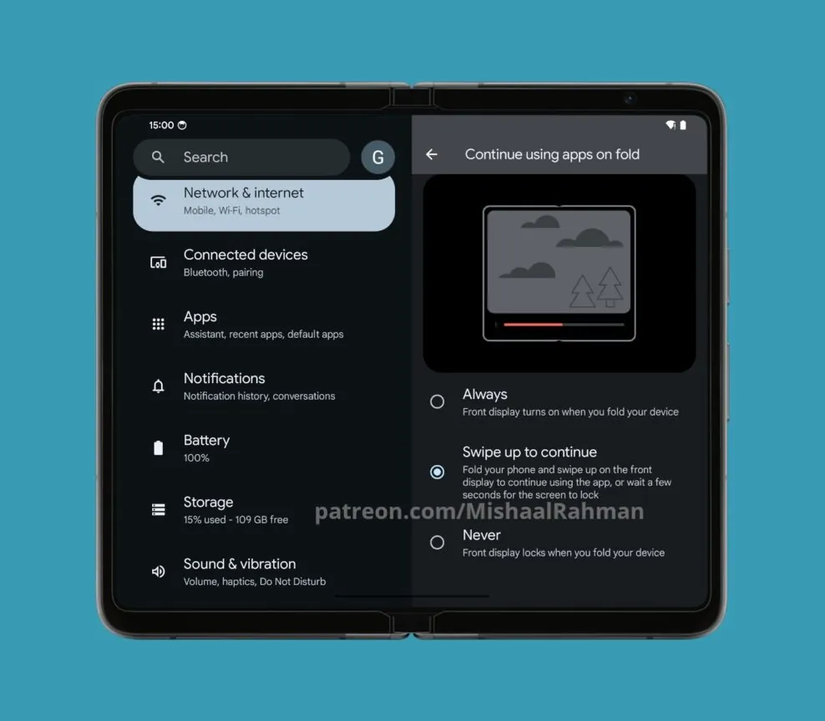
However, speed did not translate directly to signal quality. Despite running on the identical Snapdragon 8 Elite Gen 5 chipset and Snapdragon X85 modem found in the Galaxy S26 Ultra, both the Fold8 and Fold8 Ultra fell short of that slab model in signal quality tests. Instead, the Galaxy Z Fold6 posted the best scores across both good and bad condition signal tests. Meanwhile, the Galaxy Z Flip6 recorded the worst performance in signal quality under good conditions, yet surprisingly claimed the best signal quality score under bad conditions when compared to its control device.
Generation-Over-Generation Regressions and Global Market Share
Ookla’s generational mapping reveals a mixed trajectory for Samsung’s hardware engineering. While upload speeds, download speeds, and signal strength measurements have improved with each new model, certain metrics have actually regressed. For instance, the older Galaxy Z Fold6 outperformed both the Fold7 and Fold8 regarding signal strength in bad conditions, though the Fold8 Ultra managed to beat its immediate predecessors in that specific category.

Thermal management presented another regression point. Although the Galaxy Z Fold7 ran the coolest against its control device—with the Flip6 ranking as the hottest—its successors saw a significant decline in performance on overheating-related throttling benchmarks. The Fold7 enjoyed a notable boost in throttling resistance compared to the Fold6, but newer models have slipped, leading to operating systems slowing down more readily under high temperatures.
On the market share front, Speedtest data indicates that the Samsung Galaxy Z Fold7 remains the most popular foldable smartphone globally. Competitors like Motorola, Google, and Honor continue chipping away at Samsung’s footprint, but Samsung retains command of more than 77 percent of the foldable market as the industry waits to see how consumer demand shifts upon the iPhone Duo’s October 23 release.
Worth a look

Amazon Drops Samsung 75-Inch M70H Mini-LED 4K TV to Record Low Price
According to Mashable, this price cuts over 22% off the television's $729.99 list price just as the college...
Pixel 11 Pro XL Released With 6.8-Inch Display and Tensor G6
Google released its large-screen flagship smartphone, the Pixel 11 Pro XL, priced starting at $1,099 in the US...
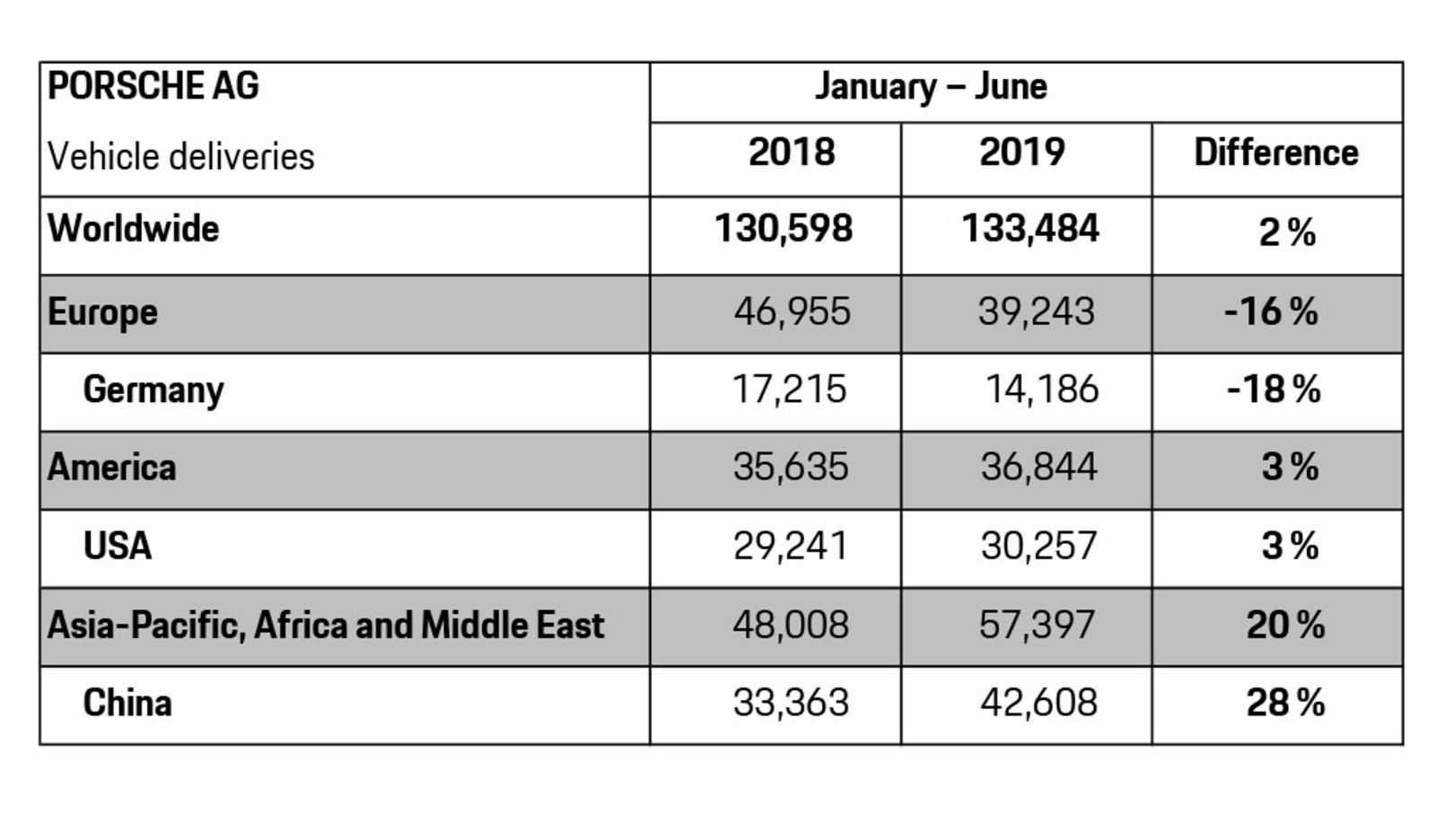
Porsche Posts Higher First-Half Profit Despite Drop in Vehicle Deliveries
The financial result exceeded the average projection of analysts surveyed by S&P Global Visible Alpha, which stood at...
Apple iOS 27 Update Lets Users Hide Messages Dictation Button
Apple’s iOS 27 update introduces a small layout change that lets iPhone users hide the Messages dictation button,...