
Researchers at Memorial Sloan Kettering Cancer Center (MSK) in New York have identified a single protein known as ZFP36L2, or ZFP, that acts as a molecular switch linking the gut’s damage-sensing system to the ability of cells to shift identities during injury repair. The findings provide new insight into how colorectal cancer spreads and evolves to resist treatment, illuminating mechanisms that operate across various tissue types to allow cells to detect damage and activate stem cell renewal programs.
Memorial Sloan Kettering Researchers Identify ZFP36L2 as a Molecular Switch in Cancer Plasticity
Phenotypic plasticity is a recognized hallmark of cancer, yet the specific molecular switches required for cell-fate reprogramming have remained poorly understood. During intestinal wound-healing and colorectal cancer metastasis, differentiated cells can dynamically dedifferentiate into an intestinal stem cell state to drive epithelial regeneration and metastatic outgrowth. According to researchers, the RNA-binding protein ZFP36L2—which is mutated in 5% to 10% of colorectal cancer cases—serves as a stress-responsive orchestrator of this dynamic dedifferentiation.
Mechanisms of Stress-Adaptive Plasticity and Metastasis
Rather than simply controlling gene expression, ZFP36L2 helps coordinate how cancer cells respond to stress by regulating the degradation of stress-related mRNAs. This regulatory function enables tumor cells to transition back into an LGR5⁺ intestinal stem cell state, which is a critical step for tissue regeneration and metastatic outgrowth. When ZFP36L2 is lost, metastatic seeding is impaired, but tumors can adopt alternative differentiation programs and greater lineage plasticity, features that are associated with poorer clinical outcomes.

Physician-scientist Karuna Ganesh served as the senior author of the study, which was published in Nature. This is really a critical process that works the same way across many different tissues – allowing cells to detect damage and turn on stem cell renewal programs,
Ganesh noted regarding the research. The study highlights how stress responses, RNA biology, and cellular plasticity intersect to drive metastasis, establishing ZFP36L2 as a potential therapeutic target in colorectal cancer while indicating that this same protein family plays a role in other types of cancer as well.
Methodology and Patient Biospecimen Analysis
The investigation utilized extensive patient biospecimens and genomic datasets. Patient material was obtained through Nature Institutional Review Board protocols 06-107, 12-245, 14-244, and 22-404. Single-cell RNA sequencing datasets from matched normal colon, primary tumor, and metastasis samples were evaluated alongside patient-derived organoids generated from two primary tumors and two metastases.
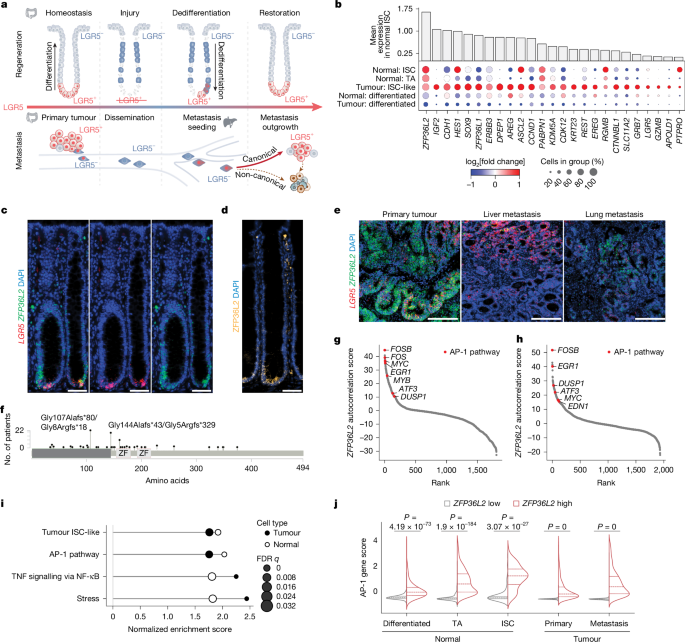
Tumor whole-exome sequencing was performed by recapturing DNA processed originally for targeted exon sequencing using MSK-IMPACT. The median whole-exome sequencing target coverage was 129× for tumor samples and 101× for normal samples, with data analyzed using the TEMPO pipeline available via GitHub. Researchers utilized the OncoKB precision oncology knowledgebase—a US Food and Drug Administration-recognized human genetic variant database curated by experts at Nature—to distinguish between oncogenic alterations and variants of unknown significance, restricting further analyses solely to somatic alterations classified as oncogenic, likely oncogenic, or predicted oncogenic.

LEAD Consortium Launches First Nationwide Study on Paradoxical Lucidity
An international consortium called LEAD is launching a nationwide study dedicated to investigating paradoxical lucidity in dementia patients,...
CHOP Researchers Find Dietary Changes Triple Survival in Hirschsprung Model
Researchers at the Children's Hospital of Philadelphia and international partners discovered that altering standard diets in a preclinical...

Diabetic Amputation Mortality Rates Remain High in England Study
Patients with diabetes in England undergoing below-knee amputation face enduring mortality rates of 23.5% at one year and...

UC Riverside Researchers Identify Brain Protein Driving NeuroHIV Damage
Researchers at the University of California, Riverside, identified MAPK14 as a critical brain protein driving inflammation and memory...