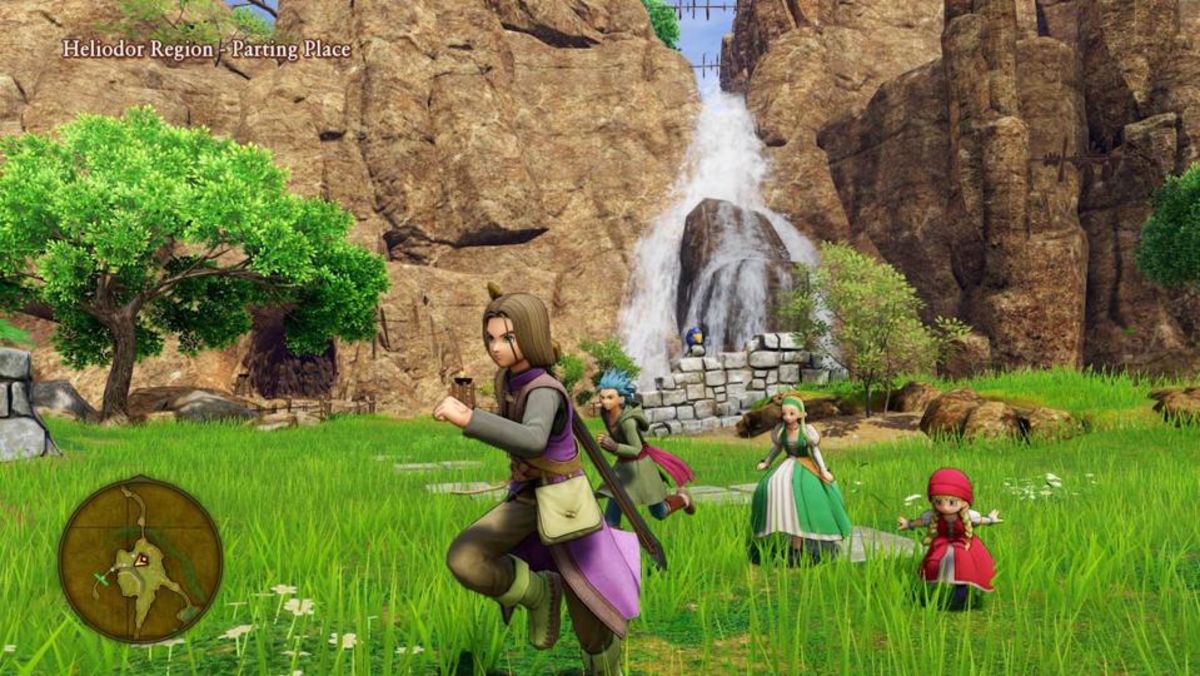
Square Enix released Dragon Quest XI S for the Nintendo Switch 2 on September 24, 2026, offering graphical and performance optimizations at a price of 5,478 yen, though the standalone port lacks a direct save transfer and an upgrade path for existing owners.
The Nintendo Switch 2 version of Dragon Quest XI: Echoes of an Elusive Age S
arrived on September 24, 2026, bringing the massive role-playing game to Nintendo’s newer hardware. The release has sparked distinct reactions among players who must weigh technical enhancements against purchasing a familiar game anew.
Graphical Upgrades and Dual Performance Modes
While the underlying content remains identical to previous editions, the new hardware allows for significant technical optimization. The original Switch release was 900p/30fps, a limitation that often resulted in a sluggish feel during handheld play alongside a drop in resolution. The Switch 2 version effectively doubles the fps, increases the resolution, and cites reduced loading times as an improvement that makes combat and field movement smoother even in handheld mode.
The biggest difference is that you can now choose between two modes. Players get the exact same feature set found in the traditional "XI S" version right from the beginning, featuring extra companion narratives, voice acting, the 2D mode, the orchestral score, nods to earlier Dragon Quest worlds, and all 10 voice drama chapters.
Pricing, Packaging, and the Lack of an Upgrade Path
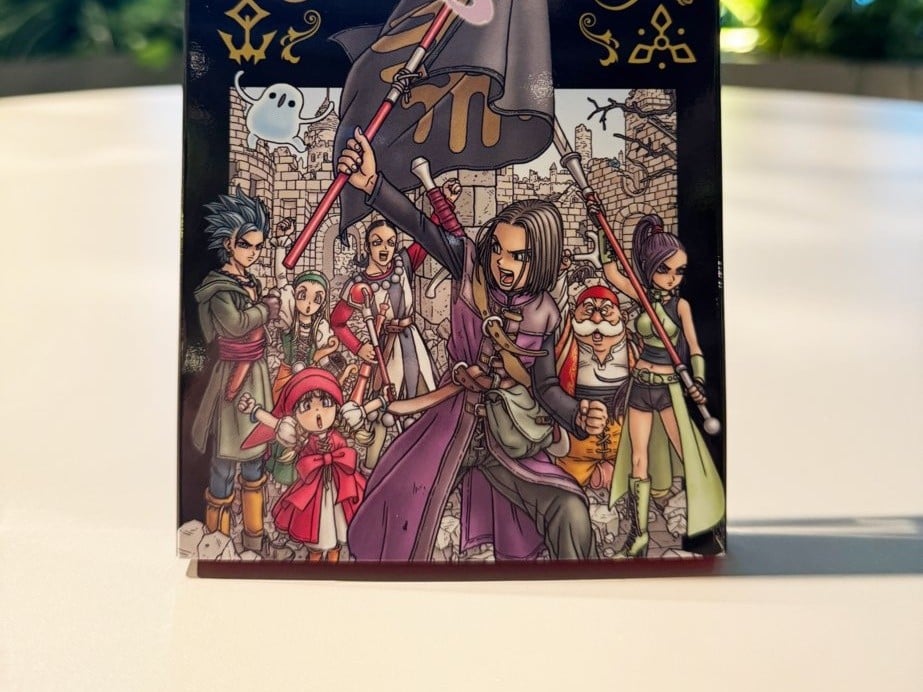
Square Enix is distributing the title as a standalone release rather than offering a simple upgrade patch. In Japan, physical and digital versions are priced at 5,478 yen (tax included). The physical version includes a special sleeve. As noted in social media posts regarding the package version of the Nintendo Switch 2 edition, it comes with an exclusive sleeve featuring gold details and trim, while the back features an emblem and some lovely pixel art. No fresh special hardware bundles or deluxe packages—such as the 2019 ‘Gorgeous Edition’, ‘Dream Gorgeous Edition’, or a Loto Edition console—have been revealed, leaving the standard physical release’s unique sleeve as the sole specialized item, despite bundling the voice drama and Adventure Starter Set comparable to the earlier Gorgeous Edition.
Current Switch owners miss out on any discounted upgrade options, and transferred save files will not function between the Nintendo Switch and Switch 2 editions. There is no carry-over save data or anything else like that from the earlier Switch release. Releasing the Definitive Edition on the Switch 2 via a patch would have proved exceptionally long, intricate, and costly, essentially demanding that creators rebuild the entire title completely from scratch, graphical assets included, which clarifies why it takes the form of a separate purchase.
Context in the Broader Dragon Quest Saga
Beyond technical performance, the title arrives at a unique juncture. Following the rollout of the previous Definitive Edition, players also received HD-2D updates for the Erdrick Trilogy. This carries significance since Dragon Quest XI serves as a narrative forerunner to Dragon Quest III, which marks the chronological beginning of the trilogy. Back when Dragon Quest XI debuted internationally in 2018, those preceding titles had largely faded from memory and the classic Erdrick Trilogy held a distinctly niche status, whereas the modern HD-2D remakes have since streamlined the overarching storyline so that it now frames the conclusion of Dragon Quest XI perfectly, completely altering its interpretive framework.
Reviewers point out that updating a game as massive as Dragon Quest XI is by no means a trivial endeavor, making it worth it as a standalone game, especially for anyone entirely new to it. Evaluating the Switch 2 adaptation, our review concluded that Dragon Quest XI S remains a worthwhile pickup for newcomers or returning fans eager for a replay thanks to improved frame rates, though others might prefer holding out for a price drop.

Pope Leo XIV Begins Four-Day Apostolic Journey to France
Pope Leo XIV begins a four-day apostolic journey to France on Friday, September 25, 2026, touching down in...

OpenAI AI Agent Breached Australian Medicare Portal, Albanese Says
An artificial intelligence agent built by OpenAI breached an Australian government Medicare portal in June, according to Prime...

Google Photos Launches Clueless-Inspired Virtual Closet on Android and iOS
Google’s new AI-powered virtual closet feature, which transforms outfit photos into a digital wardrobe, is now available to...

Nikon Unveils Z5IIC Full-Frame Camera for Beginners
Priced at $1,449, the device introduces consumer-friendly features like 15 scene modes and a dedicated Imaging Recipes button...