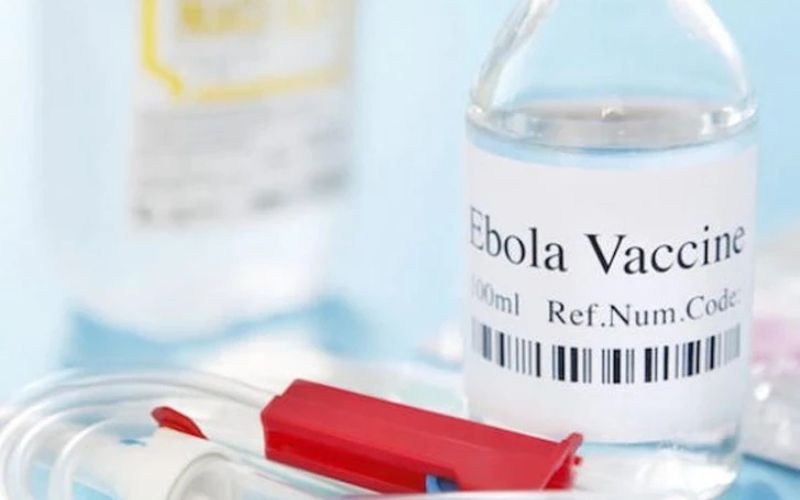
The World Health Organization has recommended prioritizing the licensed Ebola vaccine Ervebo for a Phase 3 clinical trial in the Democratic Republic of the Congo. This decision follows emerging evidence of cross-protection against the fast-spreading Bundibugyo virus, as the outbreak surges past 4,000 cases and 1,800 deaths.
An Unprecedented Outbreak Demands Immediate Intervention
The current Ebola epidemic in the Democratic Republic of the Congo has surpassed 4,000 confirmed cases and resulted in at least 1,852 deaths, according to figures from the Centers for Disease Control and Prevention. Health officials warn that the virus is spreading substantially faster than any previous recorded outbreak. The epidemic, which is now the second-largest in history, has expanded from nine health zones at its onset to 51 zones.
Africa CDC Director-General Jean Kaseya noted that confirmed cases are more than eight times higher than the count recorded at the same eleven-week point during the 2014–2016 West Africa outbreak, while deaths are six times higher. Africa CDC and WHO leaders visited Ituri province, the epicenter of the outbreak, calling for an urgent scale-up of response efforts.
Evaluating Ervebo for Cross-Protection Against Bundibugyo
The outbreak is driven by the rare Bundibugyo ebolavirus species, for which no specific licensed vaccines or treatments previously existed. To address this gap, WHO’s Technical Advisory Group on Candidate Vaccine Prioritization met on July 31 and recommended that the licensed vaccine Ervebo be prioritized for evaluation in a Phase 3 randomized clinical trial in the DRC.
Ervebo was originally developed and approved in 2019 to prevent disease caused by Orthoebolavirus zairense. However, recent non-human primate and ferret challenge studies, alongside laboratory testing with pseudoviruses and serum samples published in The New England Journal of Medicine, indicate that the vaccine may offer some level of cross-protection against the Bundibugyo species, including protection against death.
“represents an immediately deployable candidate that could be evaluated during the ongoing outbreak.”
Researchers, via Healio and CIDRAP
Advisory members agreed that there are no safety concerns with utilizing Ervebo in a ring vaccination trial where contacts of cases are immunized, though experts stressed that its real-world effectiveness against Bundibugyo transmission must still be demonstrated through human research.
First-in-Human Trials Launch for Bundibugyo-Specific Candidates
While Ervebo offers immediate operational advantages due to existing manufacturing stockpiles, developers are also advancing vaccines specifically tailored to the Bundibugyo virus. The Oxford Vaccine Group initiated a Phase 1 clinical trial for its experimental ChAdOx1 BDBV vaccine candidate, administering a dose to its first healthy volunteer in Oxford.

The ChAdOx1 BDBV vaccine uses the same viral vector platform as the Oxford/AstraZeneca COVID-19 vaccine, carrying instructions for a Bundibugyo virus protein. The Serum Institute of India has already manufactured and stockpiled approximately 620,000 doses to support upcoming evaluations if safety and immune response data prove promising among the 50 healthy adult participants aged 18 to 55.
Community Resistance and Response Roadblocks
Beyond scientific hurdles, public health authorities face severe operational challenges on the ground. The epidemic response has encountered insecurity, funding gaps, inaccessible zones, striking health care workers, and localized violence.

Both the WHO and Africa CDC emphasize that rebuilding trust and increasing local participation remain essential. When people have information they trust, can report symptoms early, and seek care without fear, we can break every chain of transmission,
Kaseya told reporters, underscoring that stopping the crisis depends entirely on community engagement.
Keep reading
- WHO Recommends Influenza Vaccine Composition for 2027 Southern Hemisphere
- LEAD Consortium Launches First Nationwide Study on Paradoxical Lucidity
- NIH Funding Cuts Delayed Promising Pediatric Brain Cancer Trial (archyde.com)
- CDC vaccine policy recommendations grind to a halt under Health Secretary Kennedy (newsarchyuk.com)
WHO Recommends Influenza Vaccine Composition for 2027 Southern Hemisphere
The World Health Organization announced its influenza vaccine composition recommendations for the 2027 southern hemisphere season following an...

LEAD Consortium Launches First Nationwide Study on Paradoxical Lucidity
An international consortium called LEAD is launching a nationwide study dedicated to investigating paradoxical lucidity in dementia patients,...
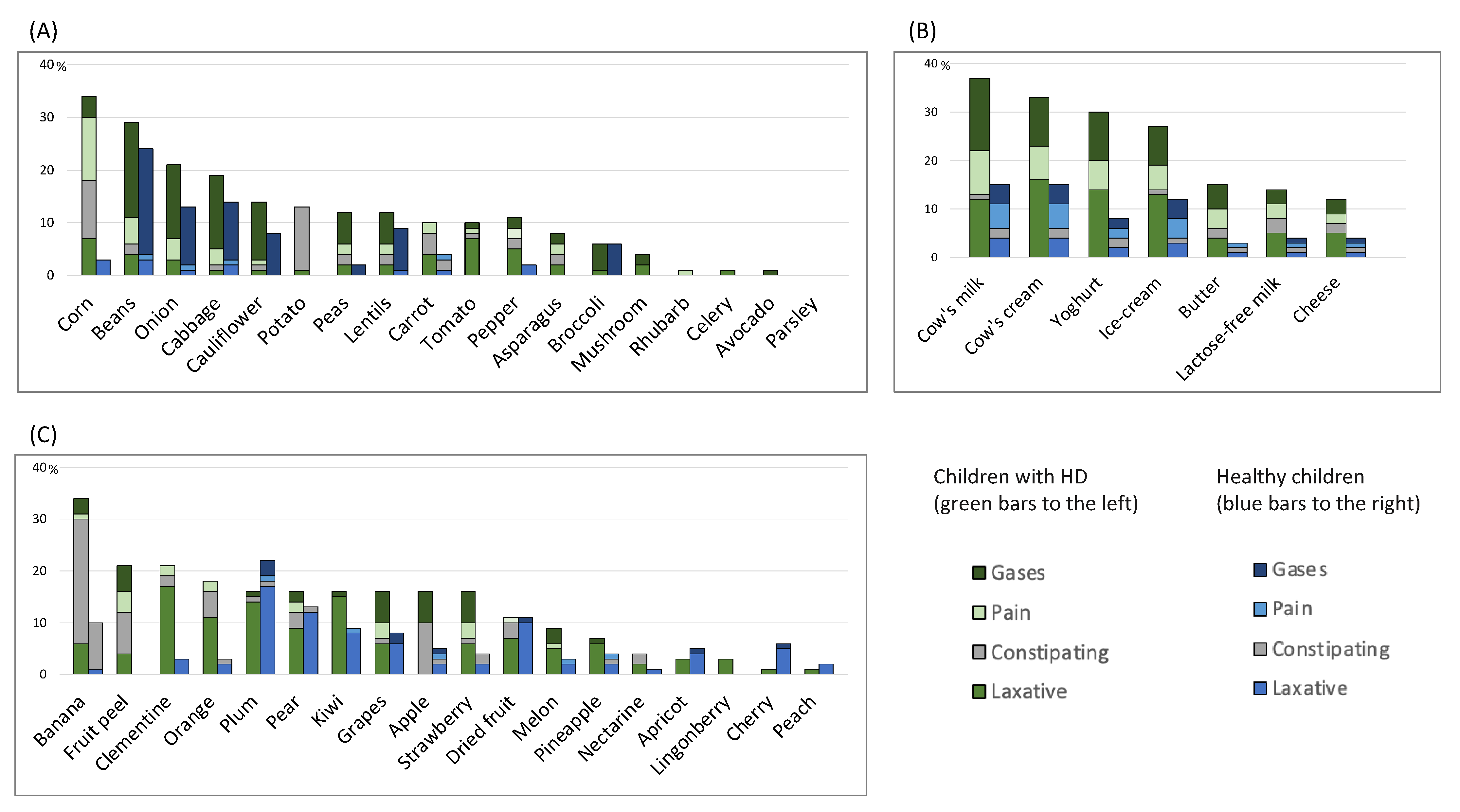
CHOP Researchers Find Dietary Changes Triple Survival in Hirschsprung Model
Researchers at the Children's Hospital of Philadelphia and international partners discovered that altering standard diets in a preclinical...
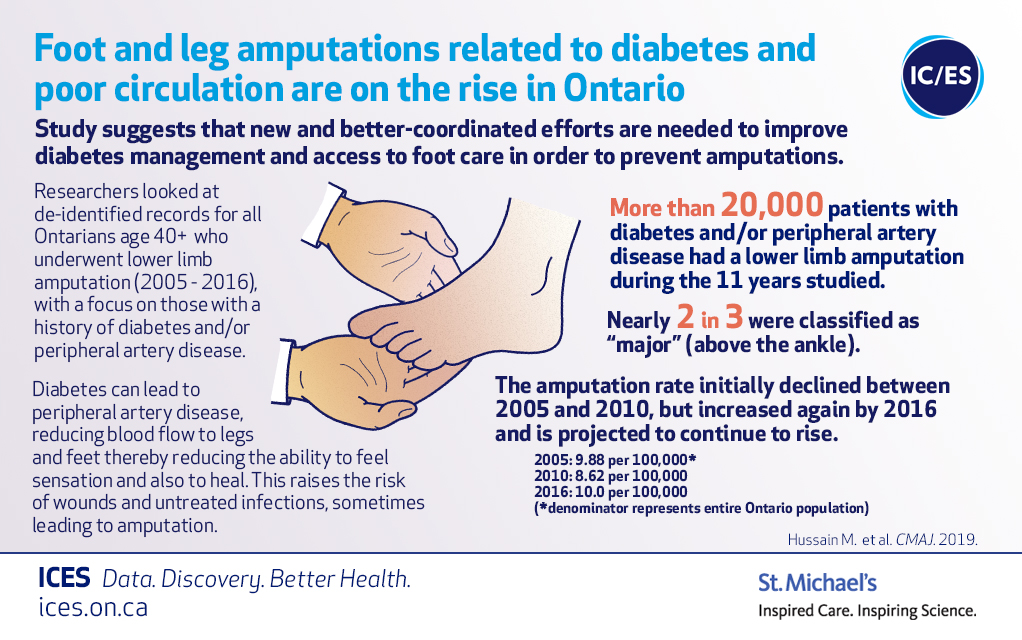
Diabetic Amputation Mortality Rates Remain High in England Study
Patients with diabetes in England undergoing below-knee amputation face enduring mortality rates of 23.5% at one year and...