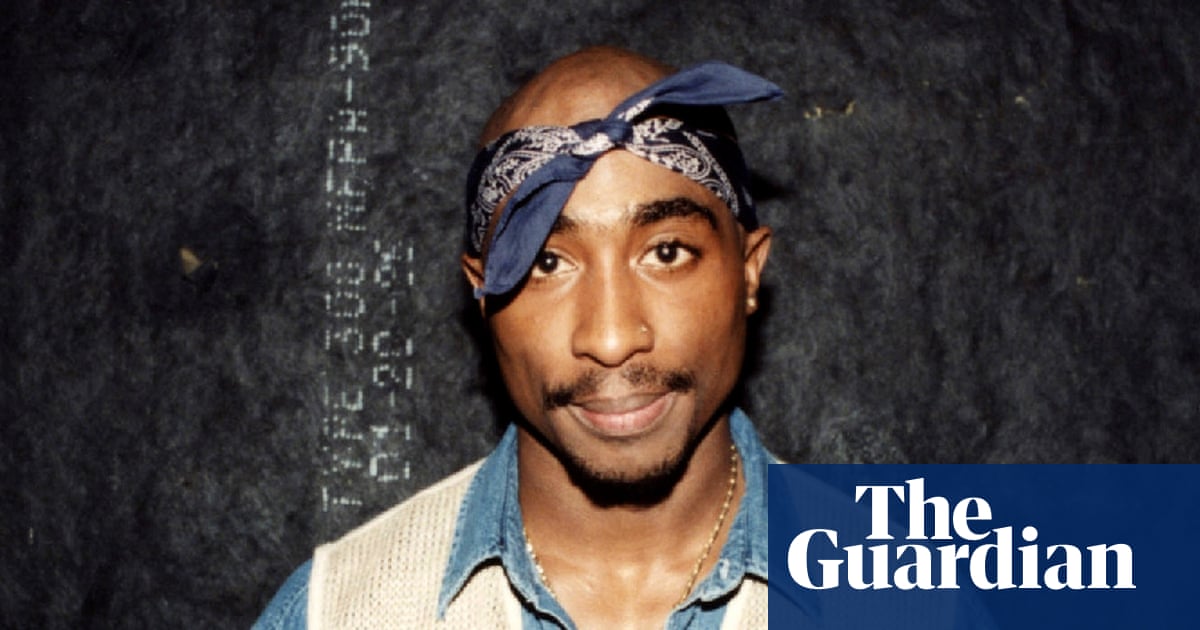
Nearly thirty years after the drive-by shooting of Tupac Shakur, murder proceedings began in Las Vegas on August 10, 2026, against Duane Keffe D Davis. Prosecutors allege the former gang leader orchestrated the 1996 killing, while defense attorneys contest the state’s case in a trial expected to last a month.
The courtroom proceedings opened with jury selection in downtown Las Vegas before Judge Carli Kierny, drawing intense global attention to one of the most famous unsolved homicides in modern music history. Duane Keffe D Davis, 63, faces a single count of murder by use of a deadly weapon with the possibility of life in prison without parole if convicted. He has pleaded not guilty to the charge.
Authorities maintain that Davis served as the shot caller of a hurried conspiracy to avenge an altercation involving his nephew earlier that evening.
Casino Altercation and the 1996 Las Vegas Shooting
The events leading to the fatal shooting unfolded on September 7, 1996, in Las Vegas, where Shakur and Death Row Records co-founder Marion Suge Knight had traveled to attend a heavyweight boxing match between Mike Tyson and Bruce Seldon at the MGM Grand casino.
Following the bout, Shakur and Knight confronted Orlando Baby Lane Anderson, a member of the South Side Compton Crips and Davis’s nephew, in the casino lobby over an alleged earlier assault on a Death Row employee. Prosecutors argue that this brawl triggered an immediate quest for retaliation by Davis, who was then the self-described leader of the South Side Compton Crips.
Later that night, a white Cadillac carrying Davis, Anderson, and others pulled alongside the vehicle carrying Shakur and Knight near the Las Vegas Strip. Multiple shots were fired from the Cadillac into Shakur’s car. The rapper sustained four gunshot wounds and died six days later, on September 13, 1996, at the age of 25.
Memoirs, Police Interviews, and the Decades-Long Cold Case
The investigation stalled for nearly thirty years primarily due to a lack of admissible physical evidence, with all other occupants of the white Cadillac having passed away over the intervening decades. However, the cold case was revitalized by public statements and the 2019 publication of Davis’s memoir, .

In his book and subsequent media interviews, Davis stated that he sat in the front passenger seat of the Cadillac and handed a pistol to two men in the rear seat, though he did not identify the gunman. Police arrested Davis in September 2023 after concluding these public admissions provided the crucial link they previously lacked.
Davis has since retracted his earlier admissions, maintaining his innocence in interviews from custody.
Davis now contends that he was in Los Angeles on the night of the shooting and that his co-author exaggerated his memoir’s contents solely to drive book sales.
The East Coast-West Coast Hip-Hop Rivalry and Record Label Tensions
Shakur, the son of a Black Panther who spent his youth in Harlem and Baltimore before moving to California, achieved global stardom through multi-platinum albums like , released under Los Angeles-based Death Row Records.
Death Row, co-founded by Marion Suge Knight and producer Dr. Dre, was locked in a bitter feud with New York-based Bad Boy Records, founded by Sean Combs and featuring artists such as Christopher the Notorious B.I.G. Wallace. According to investigators, the corporate and artistic hostility manifested in street-level alignments: Death Row maintained ties with the Mob Piru street gang, while Bad Boy Records utilized security guards associated with the South Side Compton Crips.
The violence of that era claimed the lives of both major rap icons within a span of six months. Wallace was shot and killed in Los Angeles in March 1997, an unsolved murder widely viewed in popular culture as retaliation for Shakur’s death.
Civil Litigation and Remaining Unanswered Questions
Worth a look

U2 Celebrate 50th Anniversary With Surprise Pop-Up Concerts in Dublin
U2 celebrated their 50th anniversary on Friday by staging surprise performances at their former Dublin school, Mount Temple...
Grand Theft Auto VI Featured in Game Informer with New Details
Grand Theft Auto VI takes center stage on the cover of Game Informer’s latest issue, offering exclusive details...
Woman Recants Sexual Assault Allegations Against Jay-Z
A woman who accused Sean Jay-Z Carter of sexual assault in a lawsuit has formally recanted her allegations,...

Yung Filly Allowed to Return to Britain Ahead of Australian Retrial
British rapper Yung Filly can return to Britain following a judge's ruling in Australia adjusting his bail conditions...