
The World Health Organization announced its influenza vaccine composition recommendations for the 2027 southern hemisphere season following an international expert consultation that evaluated global surveillance data, viral evolution, and emerging zoonotic threats to optimize public health protection.
Seasonal influenza continues to drive substantial illness and hospitalizations worldwide, requiring constant vigilance as viruses steadily evolve. Twice a year, the World Health Organization brings together experts from its Collaborating Centres and Essential Regulatory Laboratories to examine surveillance data captured through the Global Influenza Surveillance and Response System (GISRS) and other verification networks. These biannual reviews culminate in updated vaccine formulas designed to match circulating strains closely. WHO’s recommendations are used by national vaccine regulatory agencies and pharmaceutical companies around the world to develop, produce, and license influenza vaccines for the following influenza season. This ensures that vaccines are closely matched to the viruses expected to circulate, offering the best possible protection against severe illness and death.
Reflecting on the longevity and impact of this monitoring network, Dr Maria Van Kerhove, WHO’s Director for Epidemic and Pandemic Management, emphasized the cooperative nature of the effort.
“For nearly 75 years, the WHO Global Influenza Surveillance and Response System has demonstrated the power of global solidarity in public health,” said Dr Maria Van Kerhove, WHO’s Director for Epidemic and Pandemic Management.
She added that the willingness of participating nations and laboratories to share information directly strengthens international defense against emerging respiratory pathogens.
“The commitment of countries and laboratories to share data, viruses and expertise enables WHO to make timely vaccine recommendations, strengthening our collective ability to detect and respond to emerging influenza threats. This is global public health collaboration at its best.”
Maria Van Kerhove
Global Circulation Patterns Informing the 2027 Formula
From February to August 2026, influenza A(H1N1)pdm09, A(H3N2) and influenza B viruses circulated in varying proportions across all regions of the world, causing disease. Influenza A viruses were the most common in most regions, except Northern and Western Africa, North America and Eastern Asia, where influenza B viruses dominated.
Specific Strain Selections for Egg-Based and Cell-Culture Vaccines
To account for manufacturing methods, the organization issued distinct strain configurations for egg-based products compared to cell culture, recombinant protein, and nucleic acid platforms. WHO recommends that vaccines for use in the 2027 southern hemisphere influenza season contain the following:
Egg-based vaccines
an A/Missouri/11/2025 (H1N1)pdm09-like virus;
an A/Darwin/1454/2025 (H3N2)-like virus; and
a B/Tokyo/EIS13-175/2025 (B/Victoria lineage)-like virus.
Cell culture-, recombinant protein- or nucleic acid-based vaccines
an A/Missouri/11/2025 (H1N1)pdm09-like virus;
an A/Darwin/1415/2025 (H3N2)-like virus; and
a B/Pennsylvania/14/2025 (B/Victoria lineage)-like virus.
Zoonotic Influenza Surveillance and Pandemic Preparedness
As part of the review, experts also looked at influenza viruses circulating in animals, particularly those that have caused infections in humans. These animal or zoonotic influenza viruses remain a central focus for international health security due to their potential to spark future pandemics.

During these biannual sessions, experts reviewed global influenza activity, virological and epidemiological data, vaccine studies, and emerging zoonotic influenza threats before issuing recommendations for vaccine composition and pandemic preparedness. A webinar was scheduled for Thursday, 1 October 2026, from 13:00 to 14:00 CEST, featuring opening remarks by Dr Maria Van Kerhove, Director of the Epidemic and Pandemic Management Department (EPM) within the WHO Health Emergencies Programme (WHE), an overview of consultation outcomes by Dr Wenqing Zhang from the Global Respiratory Threats Unit, and seasonal vaccine composition recommendations presented by Dr Patrick Reading, Director of the WHO Collaborating Centre of GISRS in Australia, and Dr Hideki Hasegawa, Director of the WHO Collaborating Centre of GISRS in Japan. Zoonotic influenza candidate vaccine viruses and pandemic preparedness were addressed by Dr Richard Webby, Director of the WHO Collaborating Centre of GISRS in the USA, with introductions and closing summaries led by Dr Supriya Bezbaruah, EPI-WIN Lead for Science and Knowledge Translation at WHO headquarters.
Keep reading

LEAD Consortium Launches First Nationwide Study on Paradoxical Lucidity
An international consortium called LEAD is launching a nationwide study dedicated to investigating paradoxical lucidity in dementia patients,...
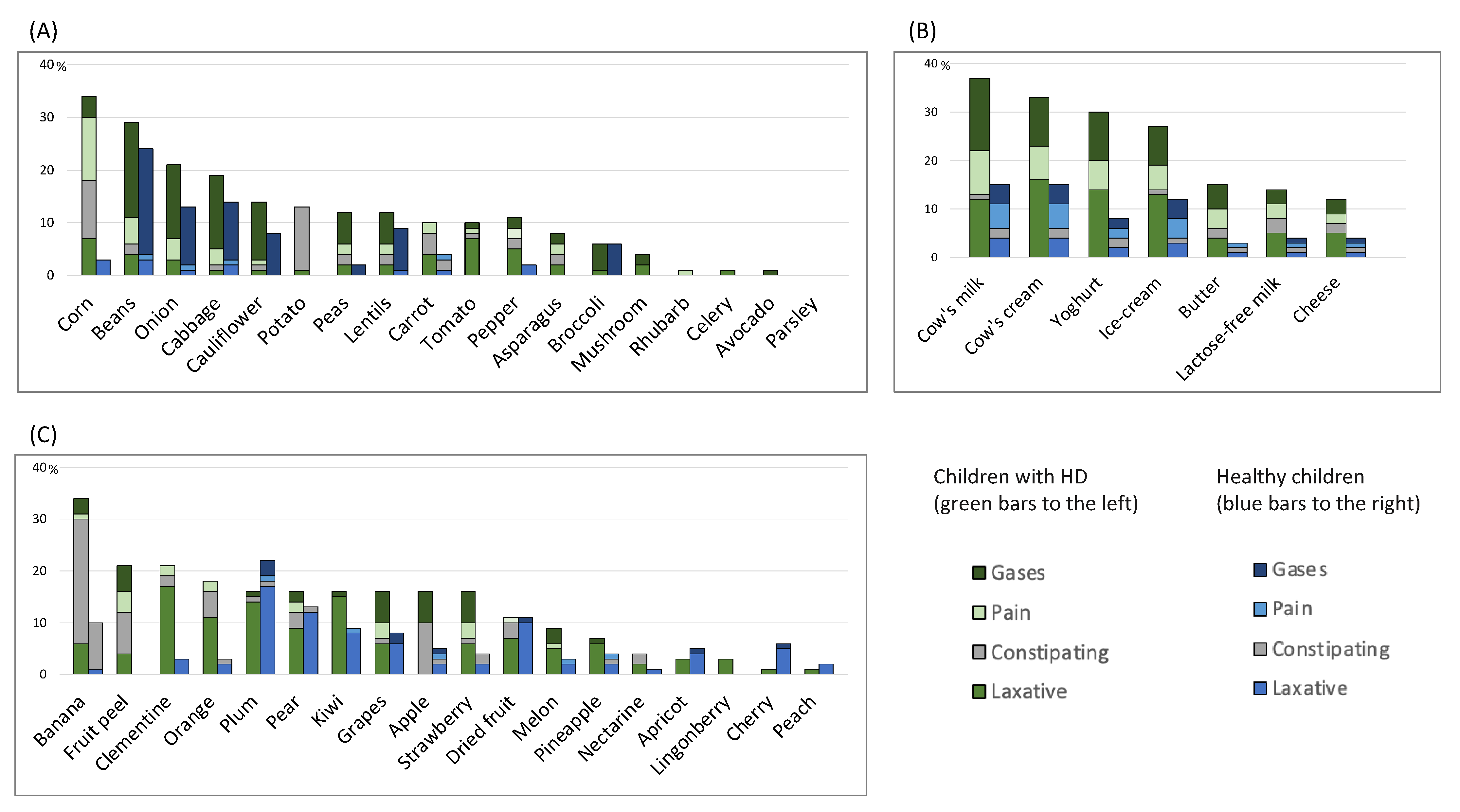
CHOP Researchers Find Dietary Changes Triple Survival in Hirschsprung Model
Researchers at the Children's Hospital of Philadelphia and international partners discovered that altering standard diets in a preclinical...
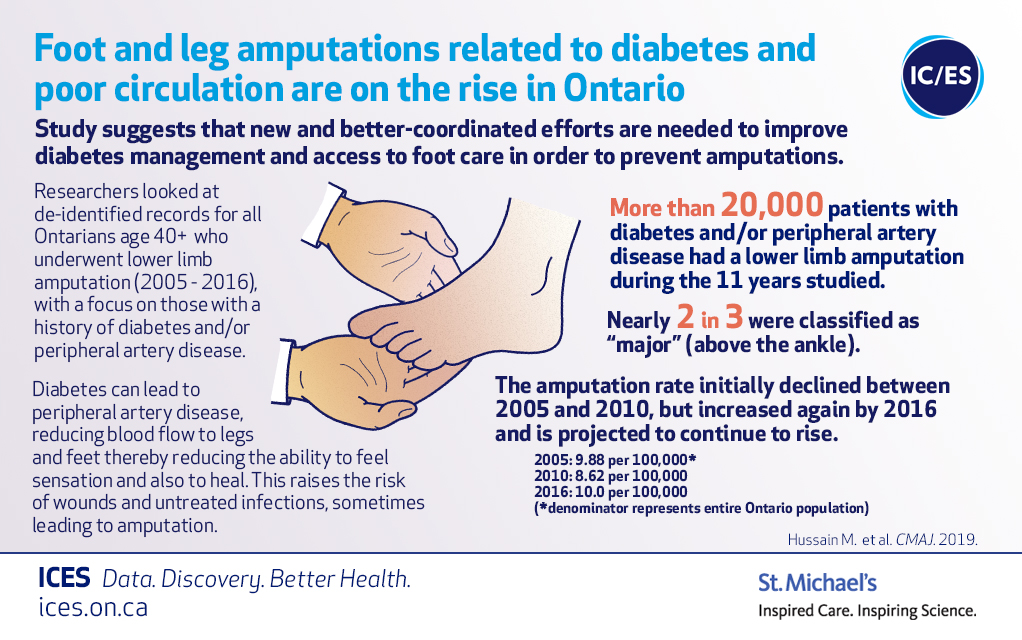
Diabetic Amputation Mortality Rates Remain High in England Study
Patients with diabetes in England undergoing below-knee amputation face enduring mortality rates of 23.5% at one year and...

UC Riverside Researchers Identify Brain Protein Driving NeuroHIV Damage
Researchers at the University of California, Riverside, identified MAPK14 as a critical brain protein driving inflammation and memory...