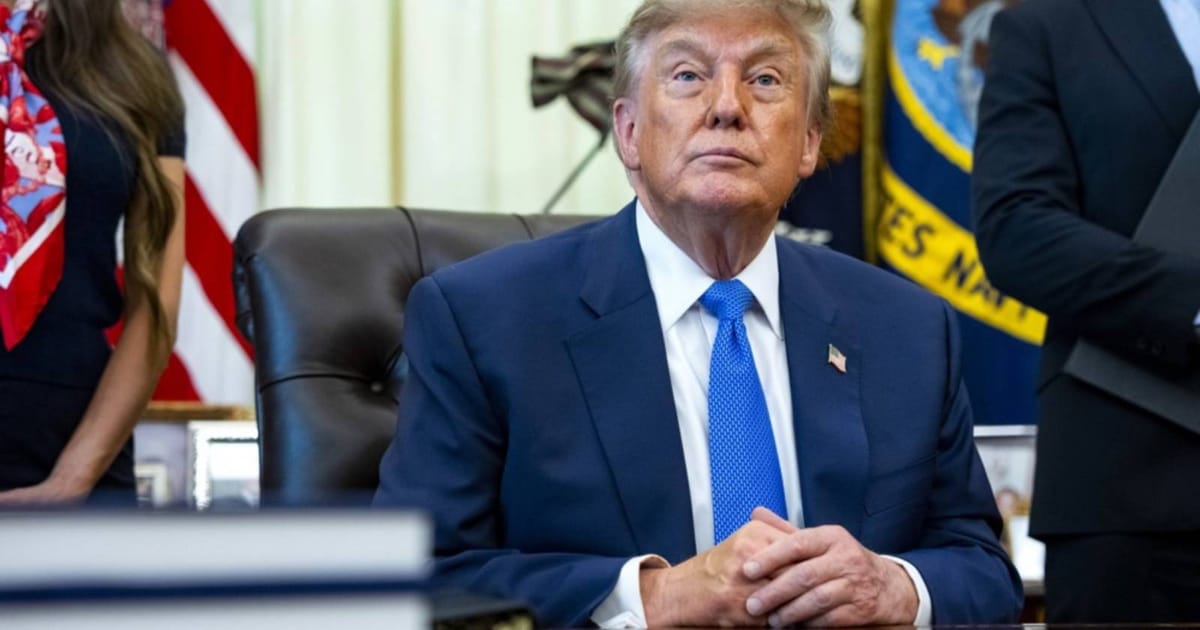
U.S. President Donald Trump announced Monday he will seek compensation from Iran for decades of conflicts, attacks, and civil unrest as part of any future peace negotiations. The unexpected financial demands threaten to stall ongoing talks over reopening the strategic Strait of Hormuz.
President Donald Trump introduced a new barrier to regional diplomacy on Monday by declaring that any future peace accord with Tehran must include financial restitution for historical damages. Speaking at the White House, Trump asserted that the Iranian government should bear the financial cost of decades of violence and instability across the Middle East. The announcement arrived as indirect negotiations regarding the closure of the Strait of Hormuz remained deadlocked, with both Washington and Tehran locked in a contest of leverage and preconditions.
Trump Expands Demands to Cover Decades of Regional Conflict
The newly articulated American position represents a direct counter-move against Tehran’s own prerequisites for ending the maritime crisis. Reported that Trump’s announcement responded directly to Iran’s insistence that the United States pay war reparations as a non-negotiable pre-condition for resolving hostilities. Rather than accepting those terms, Trump widened the scope of financial grievances to encompass decades of proxy conflicts and domestic crackdowns.
Trump told reporters, adding that the proposed payments would cover casualties among both civilian demonstrators and American military personnel stationed in the region.
In a subsequent post on Truth Social, Trump specified that the Islamic republic should be held responsible for casualties and destruction sustained in Lebanon, Syria, Yemen, and Gaza. His demands also incorporate compensation for the families of 17 American sailors killed during the October 2000 bombing of the naval vessel USS Cole in Yemen—an attack blamed on al Qaeda, not Iran, despite Trump previously asserting that Tehran was probably involved.
The Impasse Over the Strait of Hormuz and Stalled Oman Talks
The hardening diplomatic stance immediately rattled global energy markets. Oil prices settled 5 percent higher on Monday as traders recognized that the new reparations demands dim prospects for a breakthrough on the blocked shipping lane. Prior to the conflict, approximately a fifth of global oil and liquefied natural gas transited the Strait of Hormuz.
Diplomatic efforts had previously centered on a preliminary framework mediated through Oman, which Iran indicated was nearing finalization to establish new shipping corridors. Earlier on Monday, Iranian Foreign Ministry spokesman Esmaeil Baghaei stated that discussions with Oman were progressing smoothly and constructively
, with agreement reached on a shipping route map while technical details remained under review. Tehran has continued to demand that Washington lift sanctions, end its blockade of Iranian ports, and halt military threats before commercial traffic resumes.
Domestic Political Pressure and Upcoming Midterm Elections
The protracted confrontation carries significant domestic stakes for the White House. With midterm elections scheduled for November, the administration faces mounting pressure from voters in rural and energy-dependent communities where high fuel prices remain a primary economic concern. While Trump has alternated between threats of military escalation and claims that peace is imminent, the economic fallout from the maritime blockade continues to strain domestic energy supplies.

As both governments trade demands over reparations, sanctions, and maritime access, the pathway to a formalized ceasefire remains blocked. Trump indicated that his varied compensation demands will be incorporated firmly into any future negotiations, ensuring that broader historical grievances will complicate any immediate technical agreement on reopening the strait.
Related reading
- Western European Societies Unwilling to Fight Russia Directly
- Global Theatrical and Digital Release Announced for NAZA
- Premier League Clubs Consult Lawyers Over Man City Compensation Claims (world-today-news.com)
- Trump-Xi Summit: Key Takeaways from the Washington Talks on AI, Taiwan, and Trade (archyde.com)

Western European Societies Unwilling to Fight Russia Directly
As military tensions rise, Eastern European governments face an increasingly stark contradiction as they manage security guarantees, the...

Global Theatrical and Digital Release Announced for NAZA
The acclaimed documentary NAZA is scheduled for theatrical distribution in cinemas across more than 50 countries, followed by...
US Mortgage Rates Top 7% For First Time in 20 Months
U.S. mortgage rates have climbed above 7 percent for the first time in 20 months, driven by surging...
Ethiopia And Tigray Accuse Each Other Of New Offensives Shattering Peace Deal
The escalation shatters the 2022 peace agreement that ended a devastating two-year conflict in the northern Tigray region.