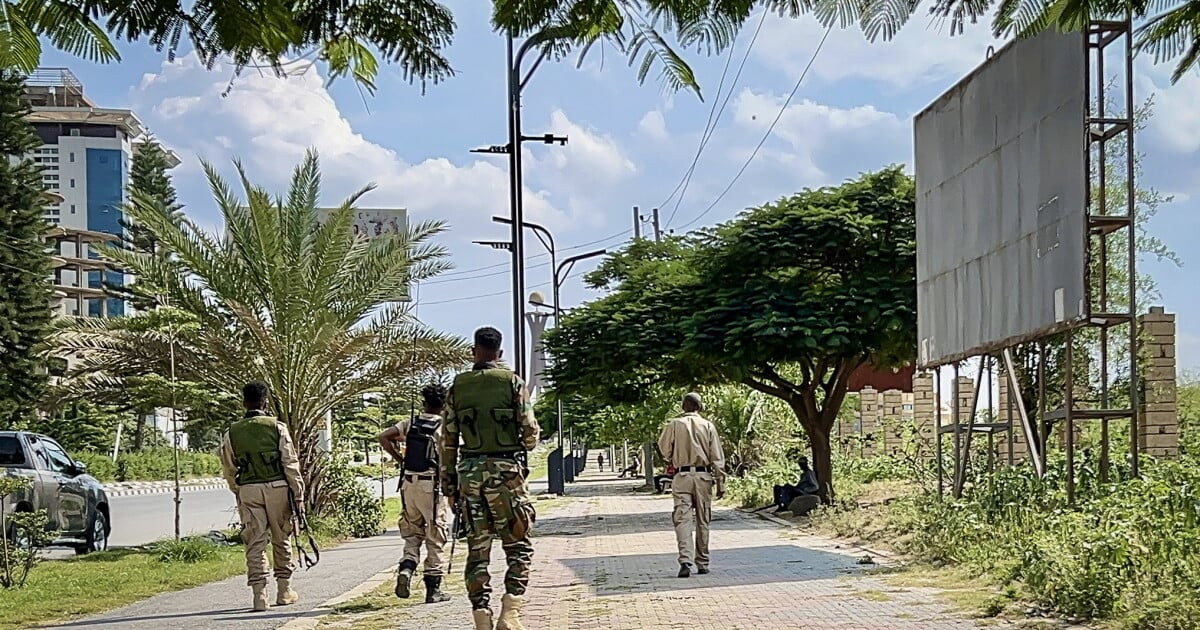
The escalation shatters the 2022 peace agreement that ended a devastating two-year conflict in the northern Tigray region.
Airports Seized as Both Sides Exchange Blame for New Offensives
Fears are mounting that Ethiopia is sliding back toward war in its northern Tigray region. Getachew Reda, a cabinet minister and adviser to Ethiopia’s prime minister, accused Tigrayan fighters of launching an all-out offensive against government positions in the neighboring Afar and Amhara regions after seizing federally administered airports in Tigray. Tigrayan authorities countered that their forces were merely entering a defensive war following a series of recent drone strikes.
The flare-up follows months of escalating friction regarding territory, political power, and the implementation of the peace deal that concluded the prior conflict. Residents in Tigray’s primary city of Mekelle reported that local forces assumed control of the local airport from the national police, prompting Ethiopian Airlines to suspend all flights to the region.
“It is rather heartbreaking to learn that, despite efforts by many, including the international community, to avoid yet another round of war in Tigray, the TPLF leadership early this morning launched an all-out offensive against government positions in Afar and Amhara.”
Getachew Reda, adviser to Prime Minister Abiy Ahmed
Alliance Formed Against Addis Ababa Amid Stalled Implementation
The political landscape inside the country has shifted sharply. The Tigray People’s Liberation Front, which governs the northern region, announced an alliance with six other armed and political groups aimed at removing the government of Prime Minister Abiy Ahmed and establishing a transitional administration. The TPLF reasserted control over Tigray’s regional government in May, moving past an interim administration originally established under the 2022 peace accord.
The latest clashes carry profound geopolitical weight in the Horn of Africa. Speaking at the United Nations General Assembly, Ethiopian President Taye Astike Selassie maintained that his government had shown immense restraint despite external interference. Meanwhile, the Armed Conflict Location and Event Data Project noted that federal forces have carried out targeted drone strikes against Tigrayan forces and TPLF officials in Mekelle and southern Tigray over recent months.
Regional Spillover Risks and International Appeals for Restraint
International observers warn that the renewed violence could destabilize a wider region already fractured by conflict, including a brutal war in neighboring Sudan that has persisted for more than three years. Ethiopia also continues to battle internal insurgencies in its Amhara and Oromia regions.
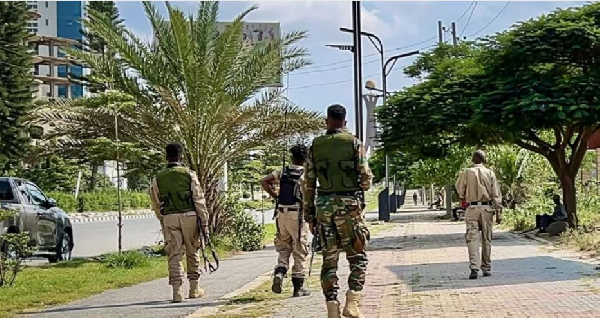
Alan Boswell, the Horn of Africa director for the International Crisis Group, noted that the federal government faces a difficult calculus in determining its response. Boswell cautioned that the contested area borders Eritrea, which maintains backing for the TPLF, creating a severe risk of direct cross-border conflict between Ethiopia and Eritrea if the fighting widens.
Diplomatic Pushback and the Uncertain Path Ahead
Diplomatic pressure is mounting on both factions to step back from the brink. Mahmoud Ali Youssouf, the chairperson of the African Union Commission, called for an immediate de-escalation and urged both sides to return to negotiations. Massinga, the United States ambassador to Ethiopia, issued a blunt condemnation of the TPLF leadership.
“The very big question next is how will the federal government respond? With total all out war? Or will we see a more measured response that tries to contain this and prevent a return to total war in Tigray?”
Alan Boswell, Horn of Africa director for the International Crisis Group
Ambassador Massinga characterized the TPLF’s decision to initiate a large-scale offensive as a poor choice leading to an unwinnable fight. With flights suspended, transport routes disrupted, and alliances hardening on both sides, the immediate trajectory depends on whether federal authorities choose a calibrated containment strategy or a full military mobilization.

Gold prices retreated globally as the dollar rallied and Fed hike bets firm
Gold and silver prices retreated globally, pressured by a strengthening U.S.
Sri Lanka Court Convicts 15 Men Over 2019 Easter Bombings
A Sri Lanka high court has convicted 15 men over their roles in the 2019 Easter Sunday terrorist...
PM Modi Expected to Visit Canada in December to Finalize Trade Deal
Canadian Prime Minister Mark Carney announced on Tuesday that Indian Prime Minister Narendra Modi is expected to visit...
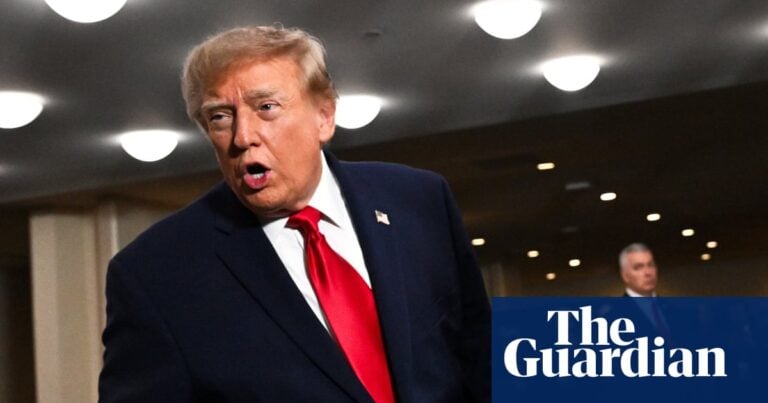
Donald Trump Made Over 1,100 Stock and Bond Trades Worth Up to $270 Million in July
President Donald Trump executed over 1,100 stock and bond transactions in July, totaling between $79 million and $270...