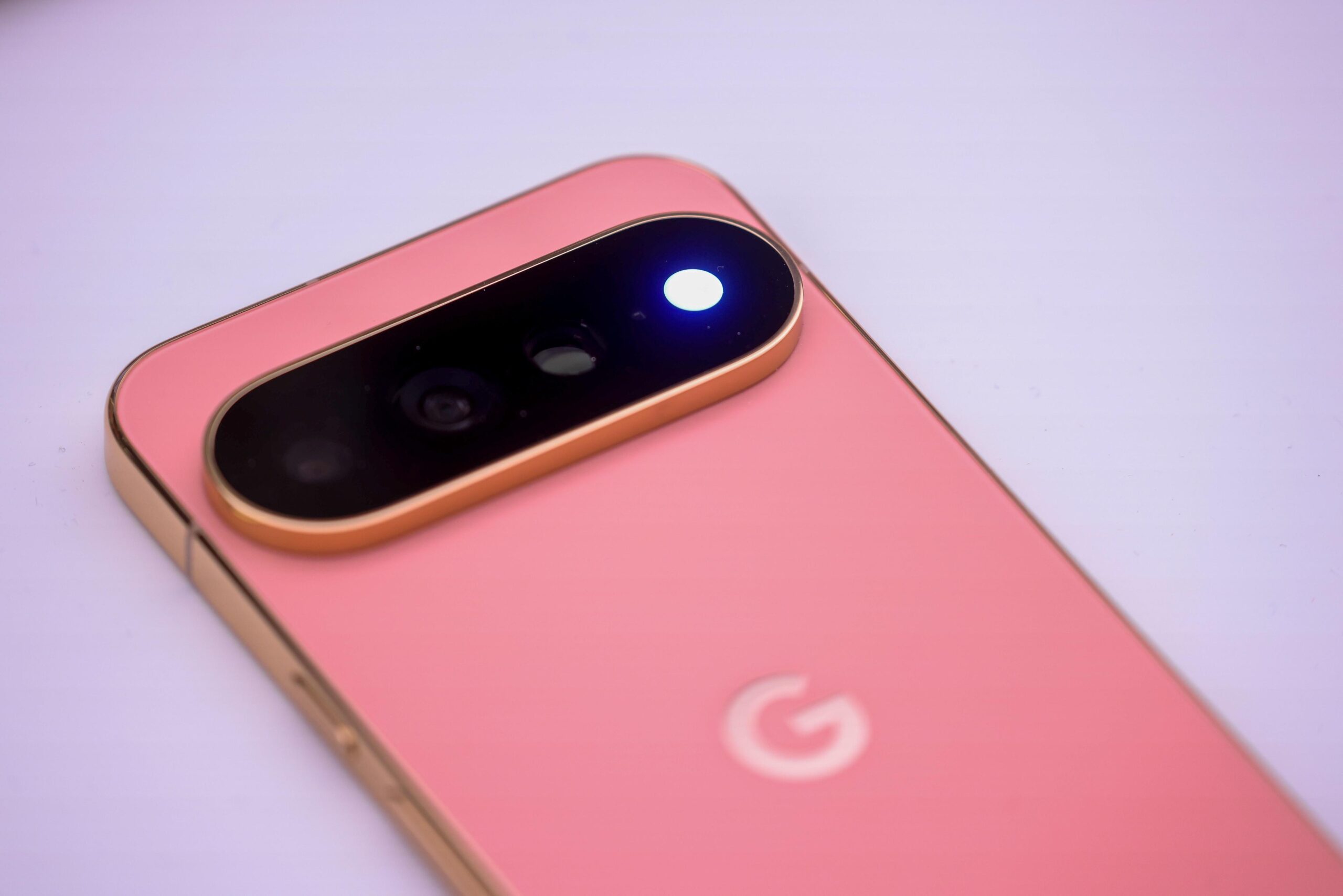
Google has introduced the Pixel 11 lineup powered by the custom Tensor G6 processor, promising faster web browsing and substantial efficiency gains.
The tech landscape shifts once again as Google rolls out its latest hardware generation. Alongside the hardware drop, consumer options for promotional software perks are experiencing a structural adjustment that alters the value proposition for buyers weighing the transition to new devices.
Google Tensor G6 Hardware and Performance Upgrades
Described by the company as its fastest and most powerful chip to date, the silicon is engineered specifically to handle advanced mobile artificial intelligence tasks without sacrificing daily efficiency.
According to first-party specifications, the upgraded CPU architecture delivers a 25% increase in web browsing speed alongside 15% quicker application launches. More notably, the chip packs 50% more TPU compute. Working in tandem with the Gemini Nano model, the processor handles on-device AI operations up to 3.5 times faster while drawing significantly less power.
Titan M3 Security and Post-Quantum Cryptography
As digital threats evolve, hardware-level safeguards have become a central focus for mobile manufacturers. The Tensor G6 works alongside a new Titan M3 security chip to form a proactive defense system tailored for both current attack vectors and future vulnerabilities.
This integration is designed to safeguard sensitive user data against advanced attacks, including potential decryption threats posed by future quantum computers. Independent market analysis by Counterpoint Research notes that the AI experience on Pixel features the most privacy protection available on a smartphone.
Pricing and the AI Pro Trial Countdown
However, software bundling strategies are shifting underneath the hardware launch.

While Google still bundles a 12-month subscription to AI Pro with its latest smartphone, that promotional window has an expiration date. Buyers evaluating whether to upgrade now or hold onto older generations must factor in the eventual rollback of these bundled software incentives, which alters the long-term cost equation of owning the newest hardware.
Related reading

PM Lawrence Wong Urges Economists to Prioritize Foundational Principles
Prime Minister Lawrence Wong cautioned Singaporean economists against easy policy solutions and uncritical reliance on artificial intelligence during...

AirPods 5 Earn Slightly Better Repair Score in Teardown Analysis
Apple's entry-level AirPods 5 introduce Active Noise Cancellation at a starting price of $129, while teardown analysts report...

Nvidia and AMD GPU Prices Surge Up to 40 Percent Ahead of Q4 Hike
Graphics card prices have risen in 2026, driven by factors such as memory shortages, rising silicon costs from...