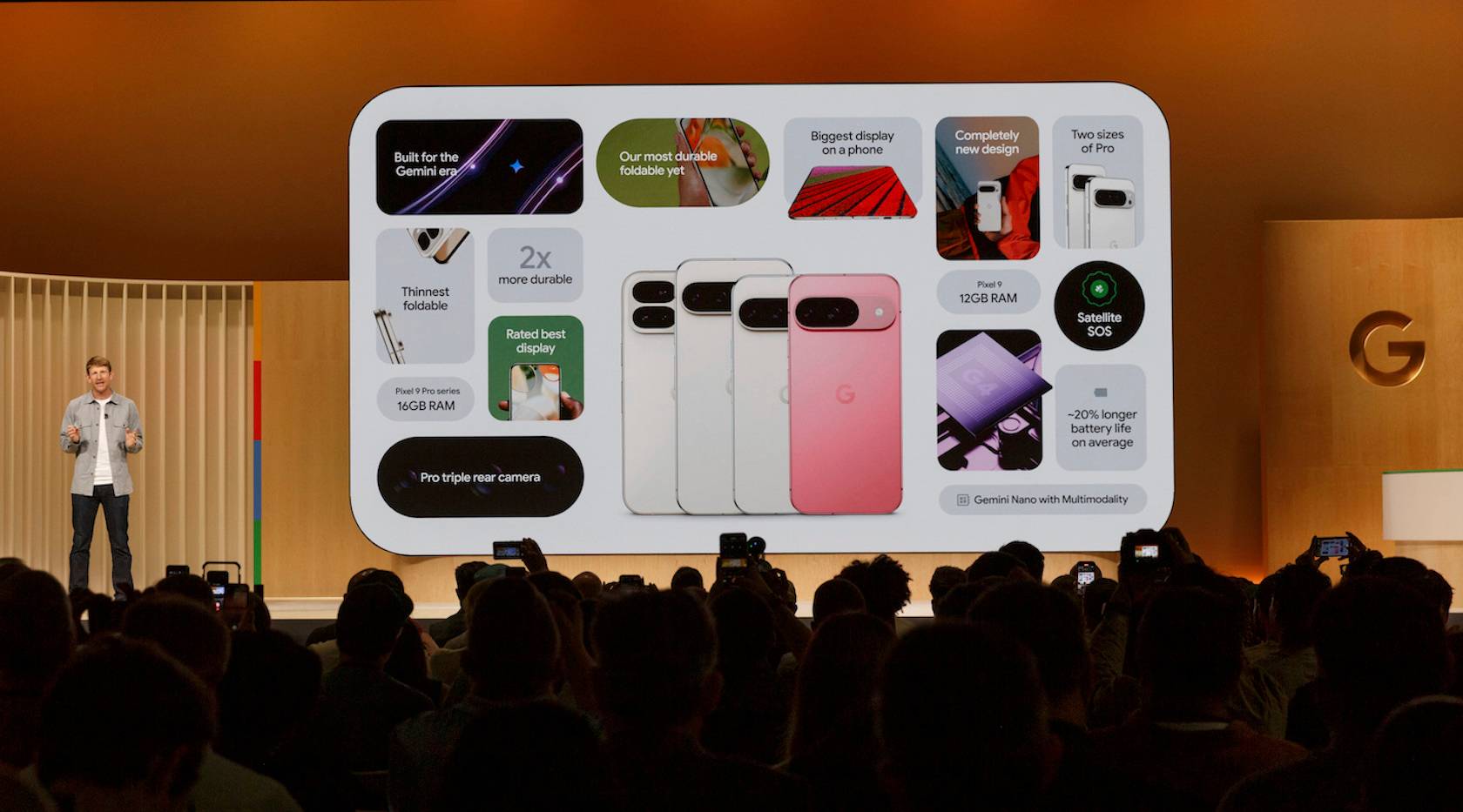
Alphabet unveiled its Pixel 11 lineup on Wednesday, pairing a Gemini AI model with faster Tensor G6 chips, higher base storage starting at 256 gigabytes, and innovative hardware additions like the notification-altering HiLight camera flash and standalone Pixel Tag trackers.
Google wants its newest hardware generation to change how people interact with mobile devices. The search giant introduced the Pixel 11, Pixel 11 Pro, Pixel 11 Pro XL, and Pixel 11 Pro Fold, embedding a more agentic version of its Gemini artificial intelligence directly into the operating system rather than confining it to a standalone chatbot application (according to CNBC).
The release arrives just weeks before Apple is expected to roll out a rebuilt Siri powered by Google’s AI models. That dynamic places Google in the unusual position of competing directly against one of its biggest generative AI customers while attempting to convince consumers that on-device intelligence is worth an upgrade.
Tensor G6 Processing Power and Post-Quantum Security
The silicon pairs an upgraded CPU—delivering 25% faster web browsing and 15% quicker app launches—with 50% more tensor processing unit (TPU) compute.
Working alongside the Gemini Nano model, the Tensor G6 processes on-device AI tasks up to 3.5 times faster while drawing significantly less energy. Security also receives a major architectural upgrade. A new Titan M3 security chip integrates with the custom processor to establish post-quantum cryptography for the device’s secure boot sequence, designed to protect sensitive information against future threats from quantum computers.
Gemini Intelligence and Agentic Phone Capabilities
Google is leaning heavily on what it calls Gemini Intelligence, a suite built to understand what a user is doing on screen and take action across disparate applications (CNBC reported). The assistant can connect information across messages, calendars, and maps to suggest or execute next steps, such as checking availability or starting a restaurant reservation.
“For the last 10 to 15 years, not a lot has changed in how you use laptops and mobile phones. But we think that’s about to change dramatically.”
Rick Osterloh, Google’s devices chief
Rick Osterloh, Google’s devices chief, described the software in an exclusive interview as a totally new way to interact with a computer
that provides agentic capabilities to accomplish real-world tasks. When asked whether the Pixel’s features will mirror Apple’s upcoming AI deployment, Osterloh pushed back, noting that the two ecosystems are moving in very different directions
and emphasizing that features like scam detection, Rambler voice transcription, and deep Gemini integration remain unique to Android.
Pricing Pressures, Storage Overhauls, and Component Shortages
Hardware pricing across the industry is shifting in response to tight supply chains. Osterloh acknowledged that a persistent shortage of RAM and flash memory is forcing consumer electronics manufacturers to raise prices, signaling that Google must adjust alongside its competitors (reported CNBC).
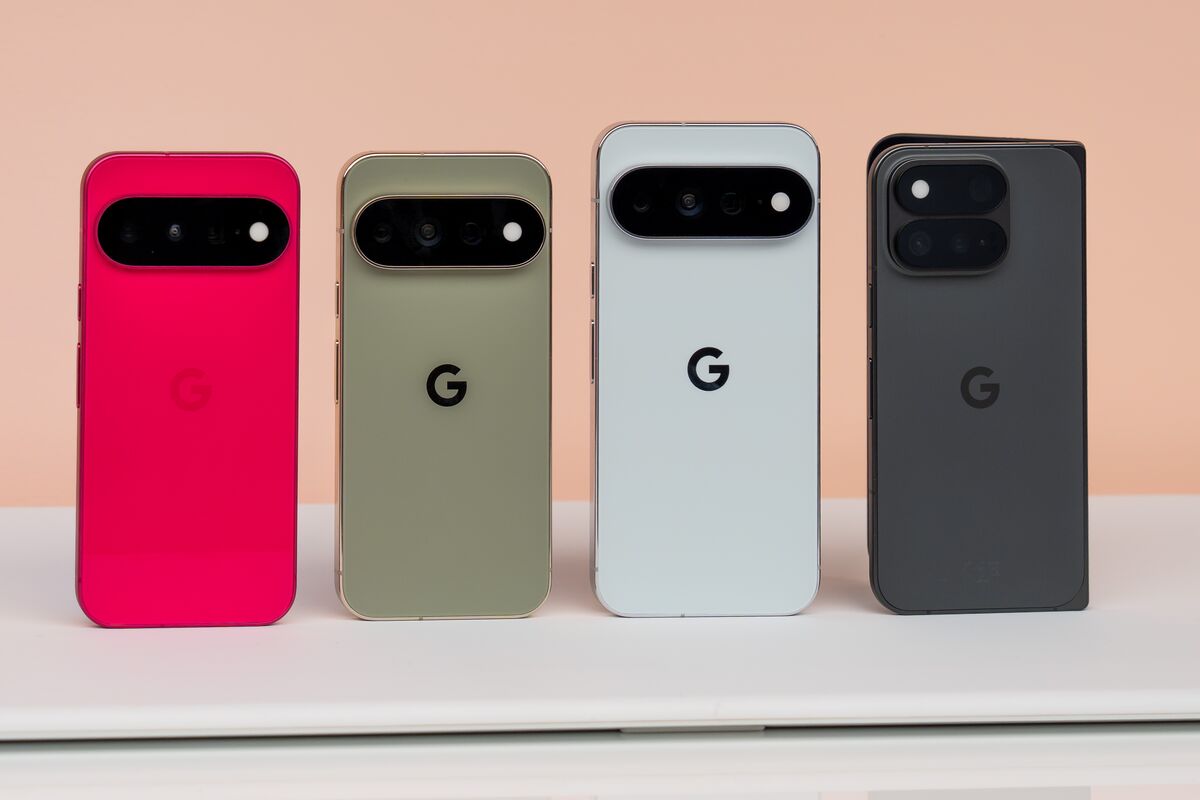
Google has eliminated its previous entry-level 128-gigabyte storage tier, which previously started at US$800 (A$1,129). Base storage has doubled across the board to 256 gigabytes. From Wednesday, US customers could order the new lineup at revised price points.
| Model | US Starting Price |
|---|---|
| Pixel 11 | US$900 |
| Pixel 11 Pro | US$1,100 |
| Pixel 11 Pro XL | US$1,300 |
| Pixel 11 Pro Fold | US$1,900 |
The Pixel Pro Fold saw a $100 increase compared to last year’s pricing. Meanwhile, buyers purchasing the Pixel 11 Pro or Pixel 11 Pro XL receive a complimentary six-month subscription to Google’s AI Pro plan.
Camera Innovations, HiLight Notifications, and Pixel Tags
Imaging hardware receives slimmer profiles and more powerful zoom capabilities, backed by software additions like Magic Capture, which automatically snaps a sequence of photos and videos with a single tap of the shutter button. Pro models gain Instant Night Sight for faster low-light photography without requiring users to hold the phone steady.
This feature complements the existing Flip to Shhh do-not-disturb mode.
Google also entered the item-tracking market for the first time with the introduction of the Pixel Tag. Compatible with devices running Android 9 or higher, the tracking fob costs US$30 for a single unit or $100 for a four-pack.
Market Stakes in the Consumer Upgrade Cycle
Industry data highlights the hurdle facing both Google and Apple as they push generative AI to consumers. Counterpoint Research notes that artificial intelligence currently ranks around sixth or seventh among consumer motivations for upgrading a smartphone, though that interest has climbed one to two spots in recent surveys (noted Counterpoint research director Tarun Pathak).

While Forrester senior analyst Andrew Cornwall pointed out that Google consistently highlights software features like video photo extraction, teleprompters, and improved speech-to-text as upgrade incentives, consumer awareness and compelling daily use cases remain the ultimate test. With Apple holding the largest existing base of generative AI-capable smartphones in consumers’ hands, Google’s Pixel 11 serves as an early testing ground for whether autonomous AI assistants can permanently alter how users navigate their mobile devices before the broader holiday quarter competition begins.
Keep reading
Jim Cramer Defends Individual Stock Picking Using Apple Example
Financial commentator Jim Cramer defended individual stock picking against index-fund orthodoxy, arguing that retail investors can outperform the...

Serbia President Aleksandar Vucic Resigns to Run for Prime Minister
Serbia's populist president, Aleksandar Vucic, resigned on Sunday to run for prime minister in an upcoming October parliamentary...
Xbox Project Helix Projected to Outperform PlayStation 6 in Raw Power
Hardware leaker KeplerL2 has revealed that next-generation graphics chips for the PlayStation 6 and Xbox Project Helix have...
AI Market Volatility Erases Trillions Before Rebound
Stock markets swung wildly over a recent two-week period, erasing and then recovering hundreds of billions of dollars...