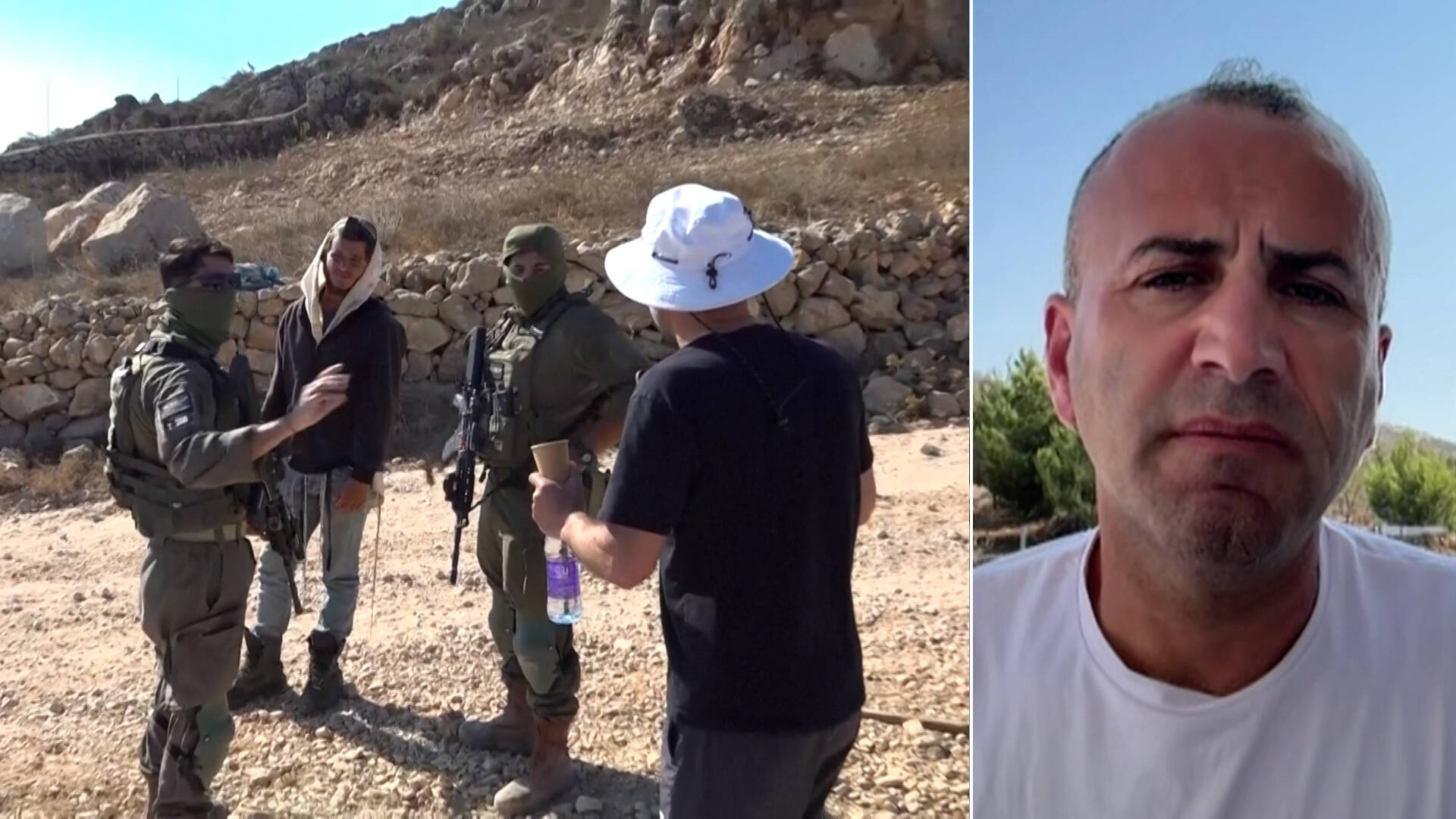
U.S. Ambassador Mike Huckabee condemned a settler siege in the occupied West Bank village of Qusra as a horrific act of terror.
The Escalating Standoff and the Return of Loui Ridi
A Palestinian American whose home in the occupied West Bank has been besieged by Israeli settlers for over a week traveled to his property from Ohio to join family members defending it, according to Associated Press reporting from Qusra. The standoff in the village of Qusra, located about 10 miles southeast of Nablus, has seen groups of settlers surround several Palestinian houses and prevent residents from leaving their properties.
Loui Ridi, an Ohio resident who owns one of the targeted homes, watched the unfolding crisis from afar through home security cameras before deciding to fly to Israel. I’ve been watching this live for many days and now this is the second week. I can’t sleep,
Ridi told reporters at Israel’s main international airport, adding, I can’t let the settlers steal my house while I was watching.
Upon landing, Ridi received video footage from his brother showing Israeli soldiers shaking hands with settlers near the besieged home, according to Democracy Now!. Ridi eventually arrived in the village late Monday night, exiting his car carrying an American flag while settlers remained visible through home security cameras.
Washington’s Sharp Rebuke and Local Realities on the Ground
The situation drew an unusually sharp public rebuke from the United States ambassador. U.S. Ambassador Mike Huckabee condemned the actions of the Jewish settlers besieging the American Palestinian family’s home, calling the siege a horrific act of terror.
Huckabee is a longtime ally of Israel’s settler movement who has previously expressed support for Israeli control over the occupied West Bank while condemning settler violence. Palestinians and the Israeli opposition accuse Prime Minister Benjamin Netanyahu’s hardline government of turning a blind eye to attacks by settlers as violence has surged across the territory.
Inside the besieged home, conditions deteriorated before military intervention. Ridi’s brother, Qusai Abu Rida, and his teenage son had holed up inside the property to defend it without access to food or water for several days. On Thursday morning, Abu Rida and his son were evacuated by the Israeli military, leaving the immediate future of the property uncertain.
Military Intervention, Closed Zones, and Broader West Bank Violence
The Israeli military deployed troops to the area to maintain order, declaring the neighborhood a closed military zone.
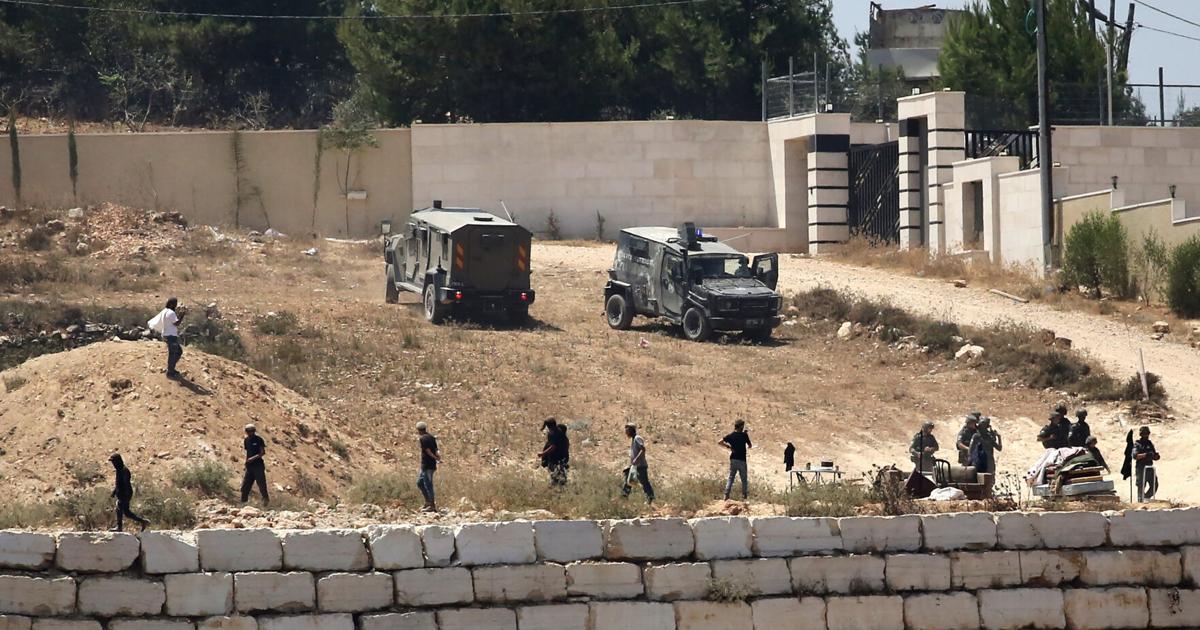
Despite these measures, residents reported ongoing friction. Ridi stated that he and his relatives continued to face severe movement restrictions and security fears. We are prisoners in our own house, hostages in our own house,
Ridi said, describing weeks of escalating harassment that included severed water and electricity lines and property damage from thrown stones.
A Soaring Toll of Casualties Amid Stalled Diplomatic Protection
The siege in Qusra unfolds against a backdrop of soaring violence across the occupied West Bank. In the same period, Palestinians have killed three Israelis, including two killed during clashes in the West Bank village of Tell last month.
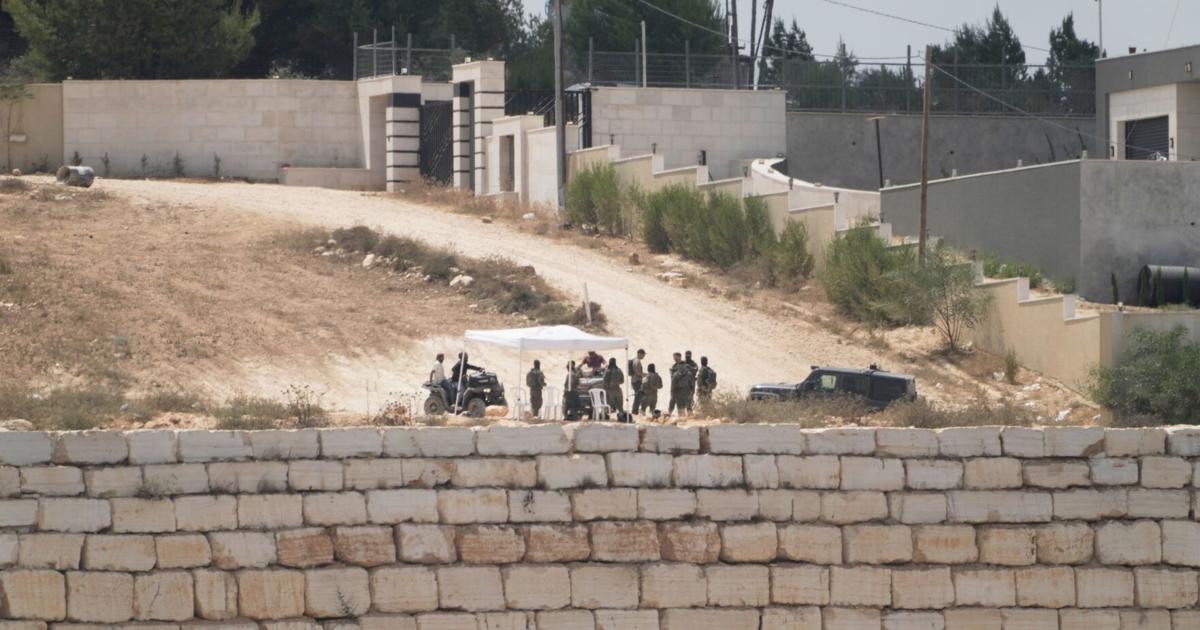
Loui Ridi remains inside his home in Qusra, balancing the symbolic presence of an American flag against the daily reality of military checkpoints, closed village roads, and nearby settler activity. While the U.S. ambassador has labeled the incident an act of terror and the Israeli military has dismantled nearby outposts, residents on the ground report that basic freedom of movement and protection remain out of reach.
Oil Prices Surge as Trump Threatens Sanctions on Iran Trading Partners
Crude oil prices surged globally on Friday, August 22, 2026, after U.S. President Donald Trump threatened economic sanctions...

Malaysia Urges ASEAN Action As Haze Closes Sarawak Schools
As dry weather and rising hotspots push air pollution to unhealthy levels across parts of Malaysia and force...

Nigerian Government Pushes to Cut Methane Emissions From Waste
The Federal Government of Nigeria is implementing new policies aimed at reducing methane emissions from dumpsites and promoting...
Vilnius Corgi Race Draws 150 Dogs From Nine Countries for Fifth Annual Event
The fifth edition of the Corgi Race Vilnius drew dogs and their owners to the Lithuanian capital's Vingis...