
PCE inflation gauge, and Federal Reserve Chair Kevin Warsh’s upcoming Jackson Hole address amid rising tensions involving Iran.
Wall Street Pulls Back as Technology Shares Falter
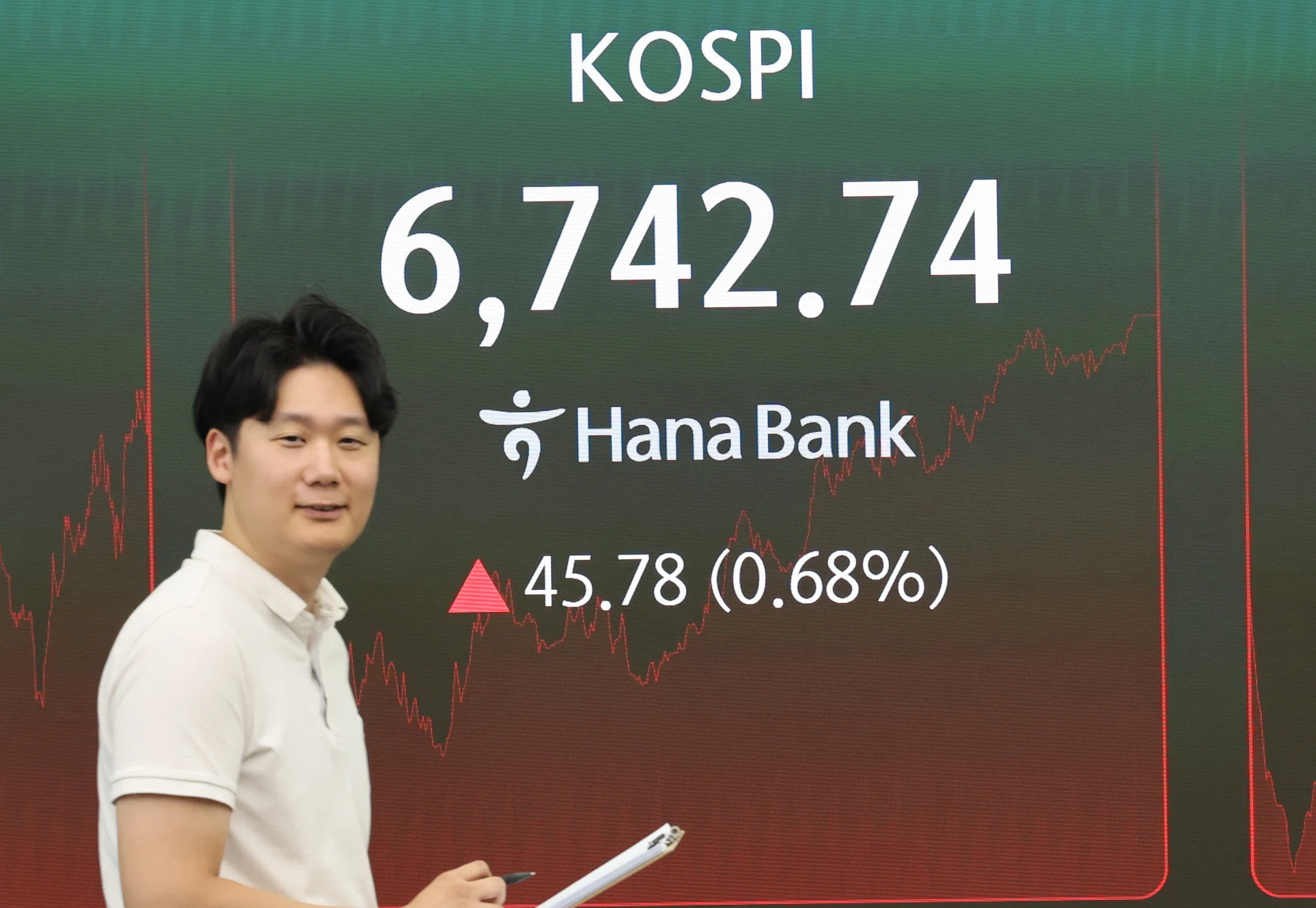
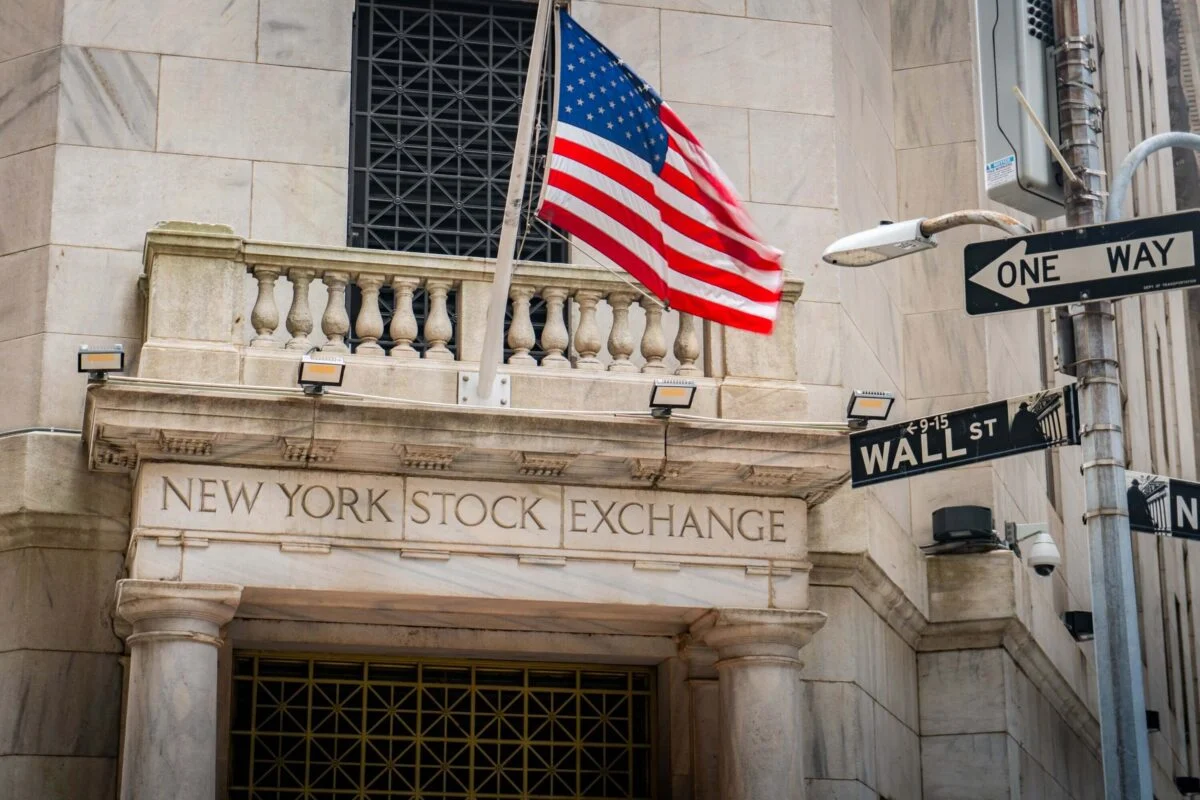
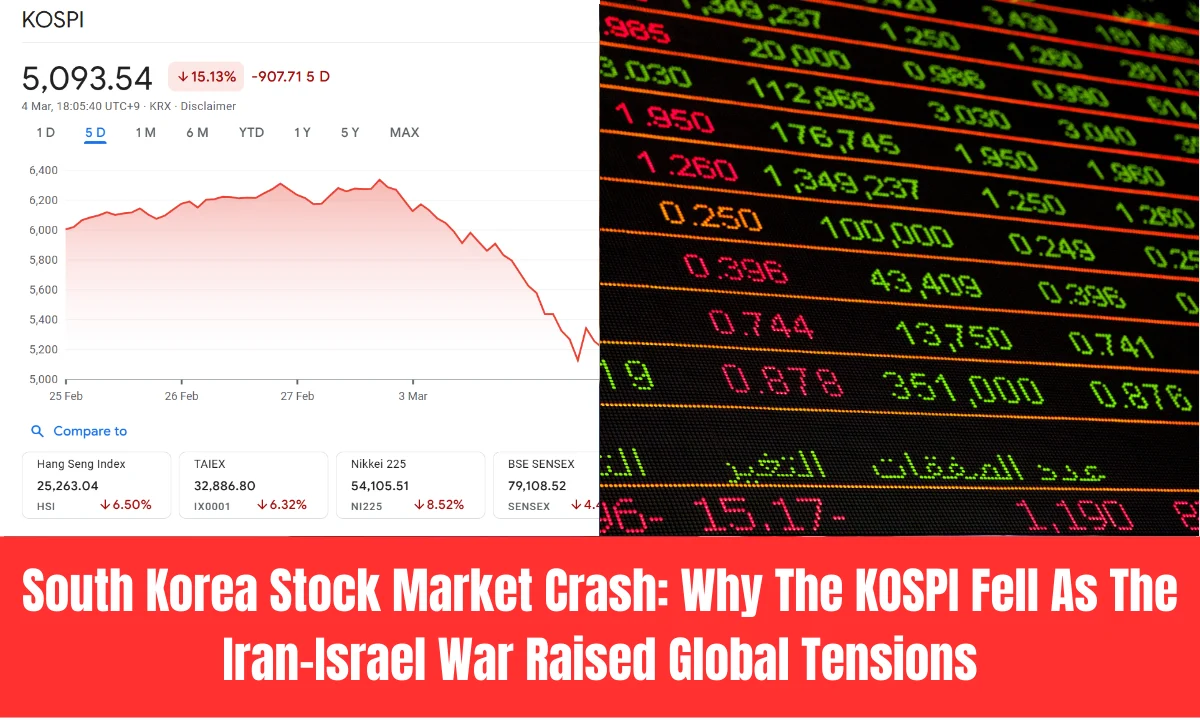
U.S. equity futures slipped overnight following a technology sector sell-off that weighed on major indices. According to Investor’s Business Daily, Dow Jones futures edged lower alongside modest declines in S&P 500 and Nasdaq futures. Trading activity remained cautious as participants balanced corporate valuations against imminent economic data releases. The pullback followed a mixed session where the Nasdaq Composite declined due to mounting investor scrutiny over artificial intelligence spending. Wall Street stocks mostly fell on Monday as investors assessed the Trump administration’s warning of an “economic D-Day” for Iran while also turning their attention to Nvidia’s upcoming earnings report and a key US inflation reading due later this week. As of 11:15 a.m. Eastern Time, the S&P 500 slipped 0.4%, the Dow Jones Industrial Average was up 0.1%, and the Nasdaq Composite was 0.7% lower. At the open, the Dow Jones Industrial Average fell 15.1 points, or 0.03%, to 53,261.95. The S&P 500 fell 11.0 points, or 0.14%, to 7,663.38, while the Nasdaq Composite dropped 115.1 points, or 0.44%, to 26,065.32. In Japan, the Nikkei 225 dipped roughly 300 points, or half a percent, while the TOPIX eked out a minor uptick of 0.26 percent. The South Korean KOSPI, after a relatively decent start, slipped in the red after giving up its opening gains. Equity futures are trending upward Tuesday morning as market participants shift attention away from newly imposed Iran sanctions and toward two critical events on the horizon: Nvidia’s quarterly earnings announcement and the Federal Reserve’s annual Jackson Hole Economic Symposium. Futures tied to the Nasdaq 100 advanced 0.76% during premarket hours, bouncing back from Monday’s technology-led decline. Futures for the S&P 500 increased 0.36%, while Dow futures added 0.39%, representing a gain of 207 points. The previous session saw the Nasdaq Composite end lower, weighed down by worries surrounding artificial intelligence investment commitments from major technology corporations. The Dow Jones Industrial Average stood alone as the only primary benchmark to post gains Monday. While late August is typically a slow news period for markets, this week is setting up to be quite busy,
said Briefing.com analyst Patrick O’Hare.
Nvidia Earnings and the Artificial Intelligence Investment Debate
At the center of investor anxiety is Nvidia, whose upcoming quarterly report is widely viewed as a critical referendum on infrastructure spending across the technology sector. The Asian markets are under pressure today despite a dip in crude oil prices. This follows US equity-index futures experiencing a slight decline as investors adopted a cautious stance ahead of Nvidia Corp.’s earnings report, which is anticipated to assess confidence in the artificial intelligence sector. For context, futures for the Nasdaq 100 Index decreased by 0.4%, with the semiconductor leader scheduled to announce results later on Wednesday. Meanwhile, Asian stock markets saw a modest increase of 0.2%. As for Dalal Street, the GIFT Nifty is hinting at a positive start to the day’s proceedings. Equity-index futures for Japan, South Korea and Australia gained after a rebound in chipmakers snapped Nvidia’s seven-day losing streak ahead of its results on Wednesday (Aug 26). Earlier, the Nasdaq 100 Index closed 0.6 per cent higher, while the S&P 500 Index rose 0.3 per cent. Three key events may shape trading this week – Nvidia’s results on Wednesday for clues on whether the AI rally can regain momentum, the release of the US Personal Consumption Expenditures gauge on Wednesday and US Federal Reserve chair Kevin Warsh’s Jackson Hole speech on Friday for signals on the path of interest rates. Nvidia, CrowdStrike and Salesforce loom Wednesday night. The stock market rally advanced modestly Tuesday, buoyed by lower oil prices and Treasury yields. Robinhood (HOOD) and Interactive Brokers (IBKR) flashed buy signals Tuesday.
Geopolitical Pressures and Oil Market Reactions
Beyond corporate earnings, markets digested new U.S. sanctions targeting Iran announced during the previous session. The Trump administration has warned that it could impose economic sanctions on countries and companies that continue trading with Iran, describing the potential measures as the greatest financial offensive ever.
US Treasury Secretary Scott Bessent, who used the phrase “economic D-Day” in an opinion article published by the Financial Times, was scheduled to hold a press conference later on Monday. US Treasury Secretary Scott Bessent unveiled sanctions targeting over 60 entities, individuals, and maritime vessels connected to Iran during Monday’s session. The announcement generated minimal reaction across financial markets.
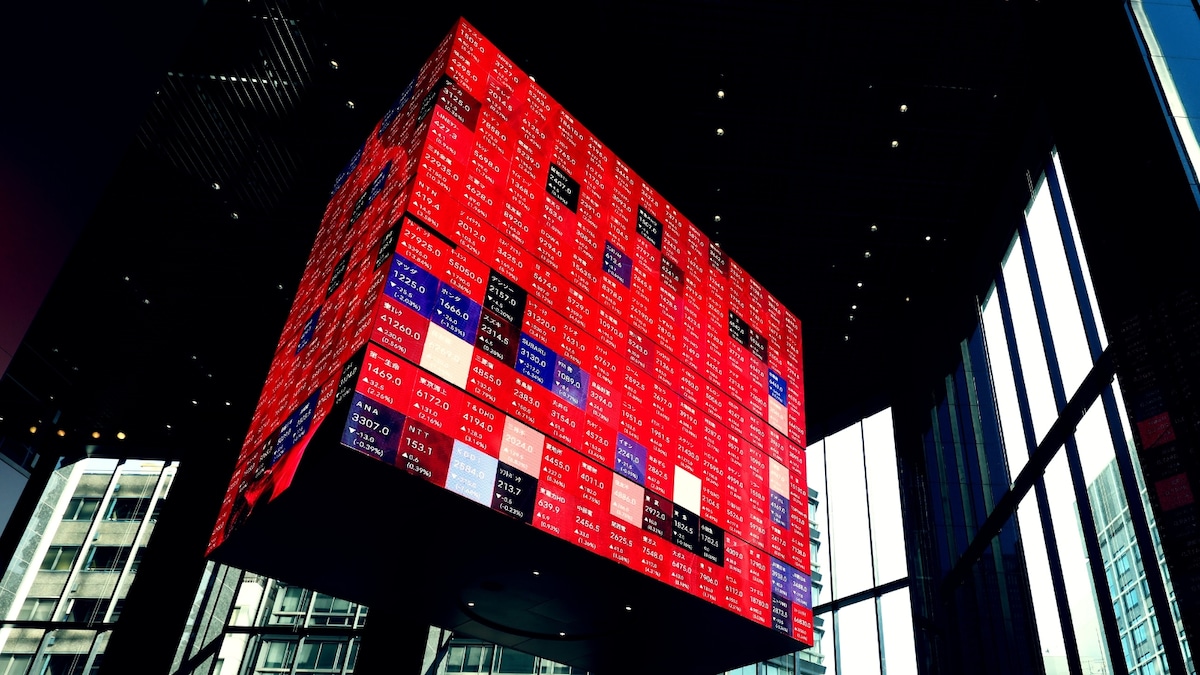
Surprisingly, the geopolitical escalation generated a muted response across energy markets. Fresh US sanctions targeting Iran failed to move oil markets or investor sentiment. Oil prices declined despite the sanctions announcement. Brent crude fell 0.8% to settle at $89.84 per barrel, while West Texas Intermediate, the US benchmark, decreased 0.7% to $85.64. Brent crude oil prices dropped by more than 2%, trading at approximately $86.70 per barrel, as Iran and Oman engaged in discussions regarding an ‘interim framework’ to resume shipping activities through the Strait of Hormuz. Bloomberg reported that this decline alleviated some inflation concerns, with the 10-year Treasury yield remaining steady at 4.63% following a seven-basis-point decrease on Tuesday. US crude extended its losses, trading around US$81 a barrel, as Iran and Oman discussed an interim framework
aimed at resuming shipping through the Strait of Hormuz. Lower oil prices helped push 10-year Treasury yields down seven basis points to 4.63 per cent on Tuesday, while a gauge of the US dollar’s strength fell.
Treasury Yields, Inflation Data, and the Jackson Hole Symposium
Lower oil prices provided welcome relief to fixed-income markets by pushing Treasury yields downward. The retreat in oil offered some relief to US markets after persistent inflation and elevated yields weighed on risk appetite. Last week, concerns about rising energy prices and the country’s mounting government debt pushed Treasury yields to multi-year highs. Bessent could consider using the Treasury Department’s nearly $1 trillion General Account to finance bond buybacks rather than relying on the issuance of short-term Treasury bills, CNBC reported on Monday. Government bonds in Japan, Australia, and New Zealand mirrored the upward movement of Treasuries. As per reports, the decrease in oil prices provided some respite to the markets after ongoing inflation and high yields had dampened risk appetite.

Attention now turns to a packed macroeconomic calendar. On Wednesday, the U.S. Federal Reserve’s preferred inflation gauge—the core Personal Consumption Expenditures price index—will be released ahead of the opening bell. Meanwhile, Federal Reserve Chair Kevin Warsh is scheduled to deliver his inaugural address at the Jackson Hole Economic Symposium, where investors will parse his remarks for guidance on future monetary policy.
Meanwhile, alternative assets responded sharply to shifting monetary and geopolitical dynamics. Gold extended its rally into a sixth day, trading close to US$4,670 an ounce, while Bitcoin held around US$78,900. Bitcoin climbed past $80,000 for the first time since February.
Keep reading

Volkswagen Workers Boo CEO Oliver Blume Over Possible 50,000 Job Cuts
Volkswagen chief executive Oliver Blume faced boos and whistles of protest from more than 10,000 workers at the...
Tyro Payments Reports FY26 Profit and Cash Flow Growth
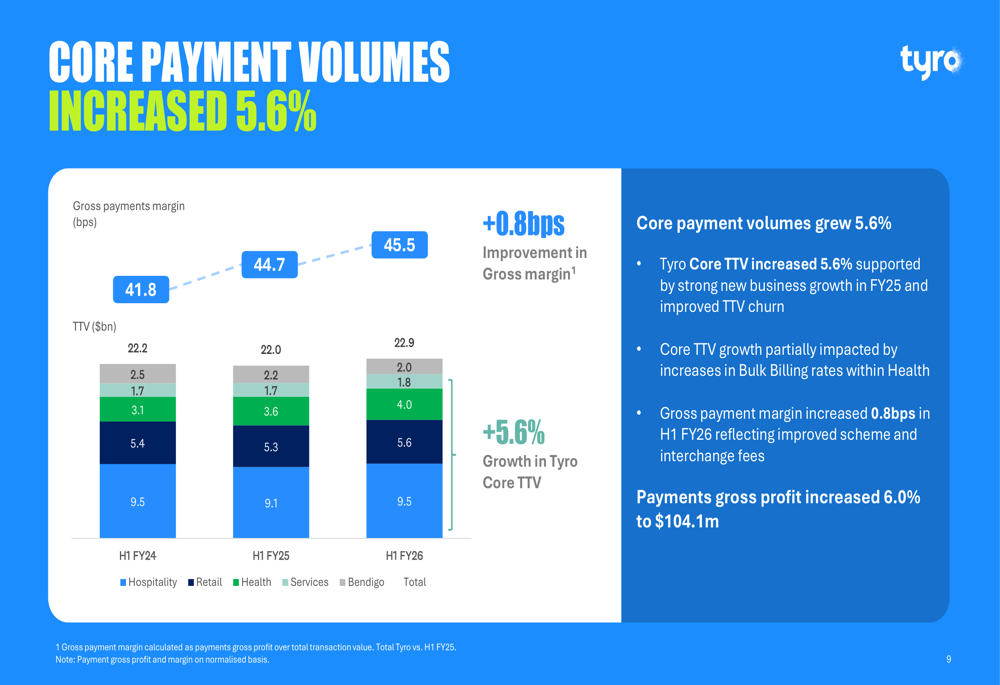
Tyro Payments Ltd delivered a strong financial performance for fiscal year 2026, meeting its guidance targets with increased...
South Korea KOSPI Plunges 30 Percent Amid Retail Stock Mania
South Korea’s benchmark KOSPI index declined 30 percent from its peak amid extreme retail stock mania, leaving President...

Ghana Stakeholders Propose Zero-Tariff Fund to Boost Exports to China
Stakeholders spanning government, financial institutions, regulatory agencies, the private sector, and academia have proposed creating a dedicated Ghana–China...