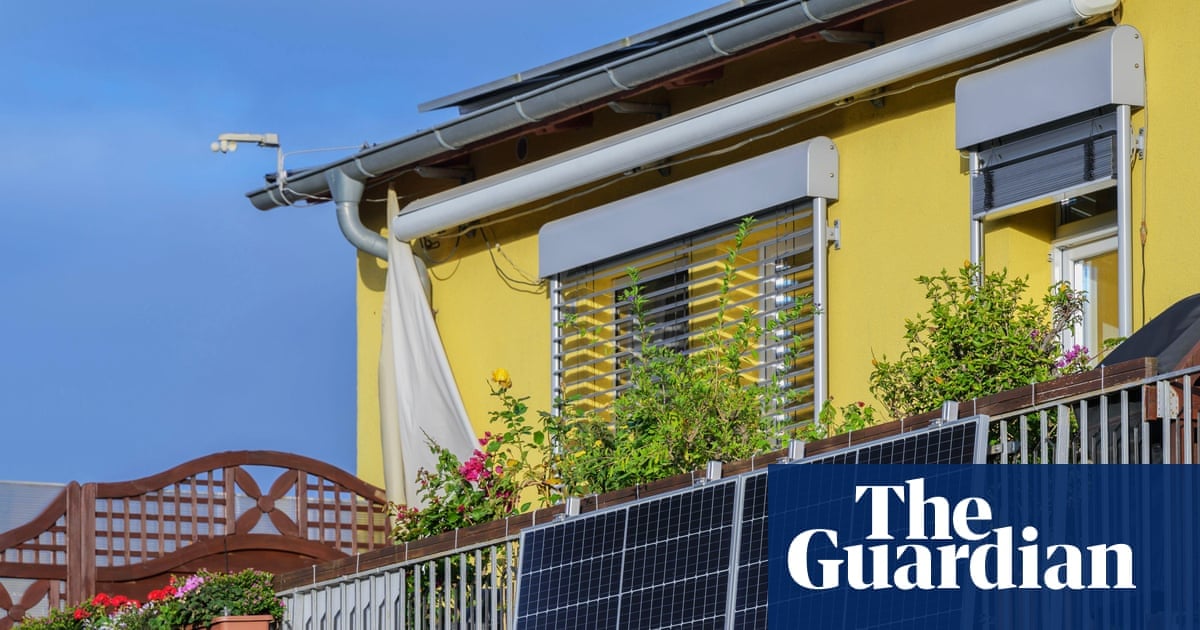
Plug-in solar panels became legal to buy and use across Great Britain on August 27, 2026, offering households a DIY renewable energy option that requires no professional installation. The easy-to-install kits, expected to cost between £400 and £600 over time, could save consumers up to £110 annually on electricity bills.
Regulatory Shift Legalizes Plug-In Solar Across Great Britain
Great Britain officially greenlit plug-in solar panels for home use, clearing the way for consumers to generate their own electricity without paying for a complex rooftop installation. The legal change, which took effect on August 27, 2026, followed rigorous independent safety testing of electrical components to ensure compatibility with domestic wiring. The legal changes follow rigorous, independent safety testing, covering all key electrical elements, which shows that compliant panels are safe and compatible with UK wiring. The UK safety specification is more stringent than that of Germany, where the technology is already widely used.
The regulatory updates stem from consultations launched earlier in the year after Energy Secretary Ed Miliband outlined plans to simplify access to small-scale solar generation.
Plug-in solar panels are coming to a shop near
Technical Specifications and Household Savings
Each plug-in solar kit produces up to 800W of power, designed to offset the energy consumed by common appliances during daylight hours. According to government figures, a single setup can run a typical refrigerator, television, Wi-Fi router, laptop, phone charger, and games console simultaneously when the sun shines. The current regulations only allow people to plug in one device per property, but this may be changed in future. A single device may include more than one panel.

The government’s research shows a household could save between £70 and £110 a year on their energy bills. The precise amount will depend on how the panels are orientated and how long they run. An unshaded south-facing spot is best.
Households which use energy during daylight hours will benefit most as the electricity must be used as it is generated. Any power not consumed will flow back to the grid, but it’s unlikely homes will get any cash for this. Unlike rooftop solar panels, these systems do not need to be certified under the official Microgeneration Certification Scheme (MCS), which is the UK’s official quality mark for small-scale renewable energy systems.
Households can save as plug-in solar panels come to
Accessibility for Renters and Apartment Dwellers

Traditional solar installations have long favored homeowners with suitable roofs and upfront capital. Portable plug-in systems remove those barriers, giving flat owners, tenants, and those living in older housing stock an accessible path to renewable energy. Industry participants view the product category as a major market expansion. EcoFlow representatives noted that plug-and-play systems remove traditional hurdles.
International Comparisons and Future Outlook
Will The Uks First Plug In Solar Panels Spark
The UK framework draws inspiration from Germany, where balcony solar has gained massive traction with roughly half a million devices plugged in during the previous year. British safety specifications for the kits exceed those established in Germany. In Australia, advocacy groups are pushing for similar regulatory reform. A campaign organisation has urged Australian governments to make plug-in solar available, after the technology was made legal in the United Kingdom this week, with units going on sale from Thursday. Heidi Lee Douglas, chief executive of Solar Citizens, said more than a third of Australians who rented or lived in apartments were missing out on the bill-busting benefits
that solar homeowners enjoyed.
Plug-in solar refers to small standalone solar units that could be attached to balconies or used in back yards and plugged into power points, offsetting the energy used by household appliances. Researchers have estimated Australians living in capital cities could save between $226 and $372 each year with a plug-in system. While these systems are sold in Australia, they are not yet legal to plug in and use.
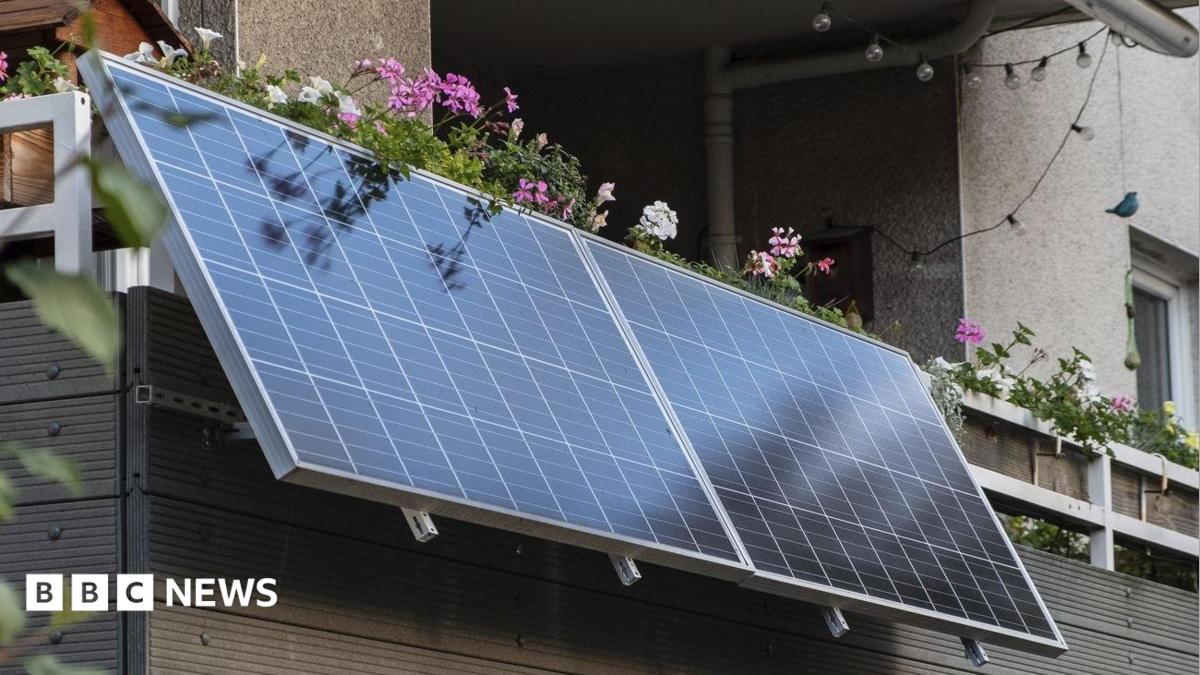
The UK government has announced the arrival of plug-in solar panels that can be fitted onto balconies to reduce household energy costs. Expected to be sold in UK stores before the end of summer, the low-cost panels, which are already widely used across Europe, connect directly to a mains socket and can be placed on balconies or any outdoor space without installation. Following an announcement by the government, recent changes to existing plug and electricity safety regulations in the UK will allow the use of these plug-in solar panels.
Plug-in solar is a simple, affordable way for households to take control of their energy bills and start saving straight away. From this summer, we’re giving more families the ability power their homes with clean homegrown energy.
Worth a look
SpaceX to Launch NASA’s Roman Space Telescope on August 30, 2026
NASA's Nancy Grace Roman Space Telescope is scheduled to launch aboard a SpaceX Falcon Heavy rocket on August...

Washington State University Researchers Develop 3D-Printed Electronic Skin
Researchers at Washington State University have developed a 3D-printed electronic skin that senses pressure and temperature at ten...

JWST Finds Planet Formation Is a Race Against Time in 72 Young Star Systems
Using the James Webb Space Telescope (JWST), astronomers have studied 72 young, sun-like stars to investigate how protoplanetary...

NASA’s Swift Observatory to Crash After Katalyst Space Technologies Failure
NASA's aging Neil Gehrels Swift Observatory is set to plunge into Earth's atmosphere later this year after a...