
Long-term use of melatonin supplements for chronic insomnia is linked to an approximate 90% higher risk of heart failure over five years, according to preliminary research presented at the American Heart Association’s Scientific Sessions 2025.
Millions of people reach for melatonin as a natural way to mend a broken night’s sleep. But a major new analysis presented at the American Heart Association’s Scientific Sessions 2025 challenges the widespread belief that the popular hormone supplement is entirely harmless when taken over extended periods.
While the study stops short of proving a direct cause-and-effect relationship, its findings raise sharp questions about chronic supplement use, particularly in the United States, where melatonin is sold over the counter without strict regulatory oversight on strength or purity.
Insomnia, Electronic Health Records, and a 90% Risk Increase
Researchers examined five years of electronic health records from more than 130,000 adults with chronic insomnia using the TriNetX Global Research Network. The study population had an average age of 56, and roughly 61% of the participants were women. Investigators tracked patients whose medical records documented melatonin use for 12 months or longer, comparing them against matched peers who had chronic insomnia but no documented melatonin use.

The primary analysis revealed a stark divergence between the two groups. Adults who used melatonin long-term faced an approximately 90 percent higher chance of developing heart failure over the subsequent five-year monitoring period.
Incident heart failure developed in 4.6% of the melatonin group, compared to 2.7% of the comparison group. To test the strength of the signal, researchers ran a sensitivity analysis limited to individuals who had filled at least two melatonin prescriptions at least 90 days apart. That subgroup showed an 82% higher risk of heart failure.
Hospitalizations and Mortality Among Regular Users
Beyond initial diagnoses, secondary analyses uncovered even wider gaps in severe clinical outcomes between chronic users and non-users.
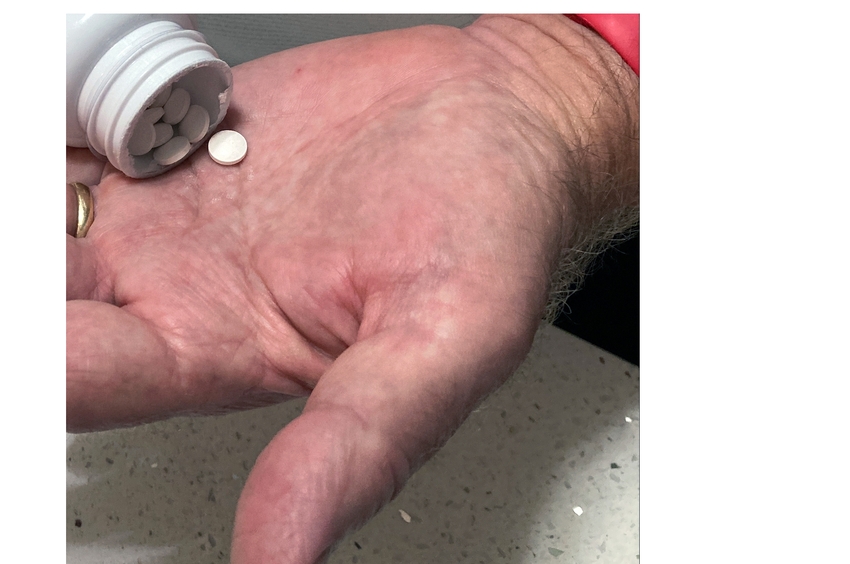
Participants taking melatonin were nearly 3.5 times as likely to be hospitalized for heart failure, with hospitalization rates hitting 19.0% compared with 6.6% in the control group. All-cause mortality was also elevated.
During the five-year window, 7.8% of patients in the melatonin group died from any cause, compared to 4.3% of the non-melatonin group—making the overall mortality risk nearly twice as high.
Regulatory Discrepancies and Clinical Surprise
The findings have caught many clinicians off guard, largely because melatonin occupies a vastly different regulatory space depending on geography. In the United States, melatonin is regulated as a dietary supplement rather than a prescription drug, meaning products do not require government approval to ensure consistency, purity, or labeled strength.
By contrast, melatonin requires a prescription in the United Kingdom. This regulatory divide creates distinct tracking challenges in real-world databases.

I’m surprised that physicians would prescribe melatonin for insomnia and have patients use it for more than 365 days, since melatonin, at least in the U.S., is not indicated for the treatment of insomnia,
Dr. Ekenedilichukwu Nnadi noted, adding that consumers should understand the substance is not meant for chronic, unmonitored use.
Other specialists echoed the need for caution. Dr. Harneet Walia, medical director of sleep medicine at Baptist Health Miami Cardiac & Vascular Institute, pointed out that relying on electronic health records introduces limitations because U.S. patients who purchase supplements over the counter are often misclassified into the non-melatonin control group.
What Remains Unknown About Cardiovascular Safety
Independent cardiologists and sleep researchers emphasize that the observational nature of the TriNetX data means unmeasured variables could influence the results. Severe insomnia, underlying anxiety, depression, or the presence of concurrent health conditions might contribute independently to both chronic melatonin use and elevated cardiovascular risk.
Furthermore, previous scientific literature has often pointed toward potential antioxidant and cardiovascular protective properties of melatonin, making the new hazard ratios an unexpected reversal that demands rigorous follow-up.
“…while the association we found raises safety concerns about the widely used supplement, our study cannot prove a direct cause-and-effect relationship. This means more research is needed to test melatonin’s safety for the heart.”
Dr. Ekenedilichukwu Nnadi, lead author
Researchers stress that randomized controlled trials will be necessary to determine causality, test biological mechanisms, and establish definitive safety guidelines for patients managing chronic sleep difficulties.
Related reading
Functional Angiography Reduces Cardiovascular Events in AIR-STEMI Trial
Functional coronary angiography significantly reduced cardiovascular events and improved safety compared with conventional angiography in patients with ST-segment...

Stroke Rehabilitation Requires Personalized Strategies for Long Term Recovery
Stroke rehabilitation and long-term recovery require personalized, sustained strategies that address physical, cognitive, and emotional challenges.

Congo Launches Ervebo Ebola Vaccine Campaign to Fight Outbreak
Congo launched its Ebola vaccination campaign in Kisangani on Thursday to combat the nation's worst recorded epidemic, which...

WEST Algorithm Predicts Rare Diseases Using Electronic Health Records
An artificial intelligence algorithm called WEST, developed by researchers at Harvard Medical School and Boston Children’s Hospital, predicts...