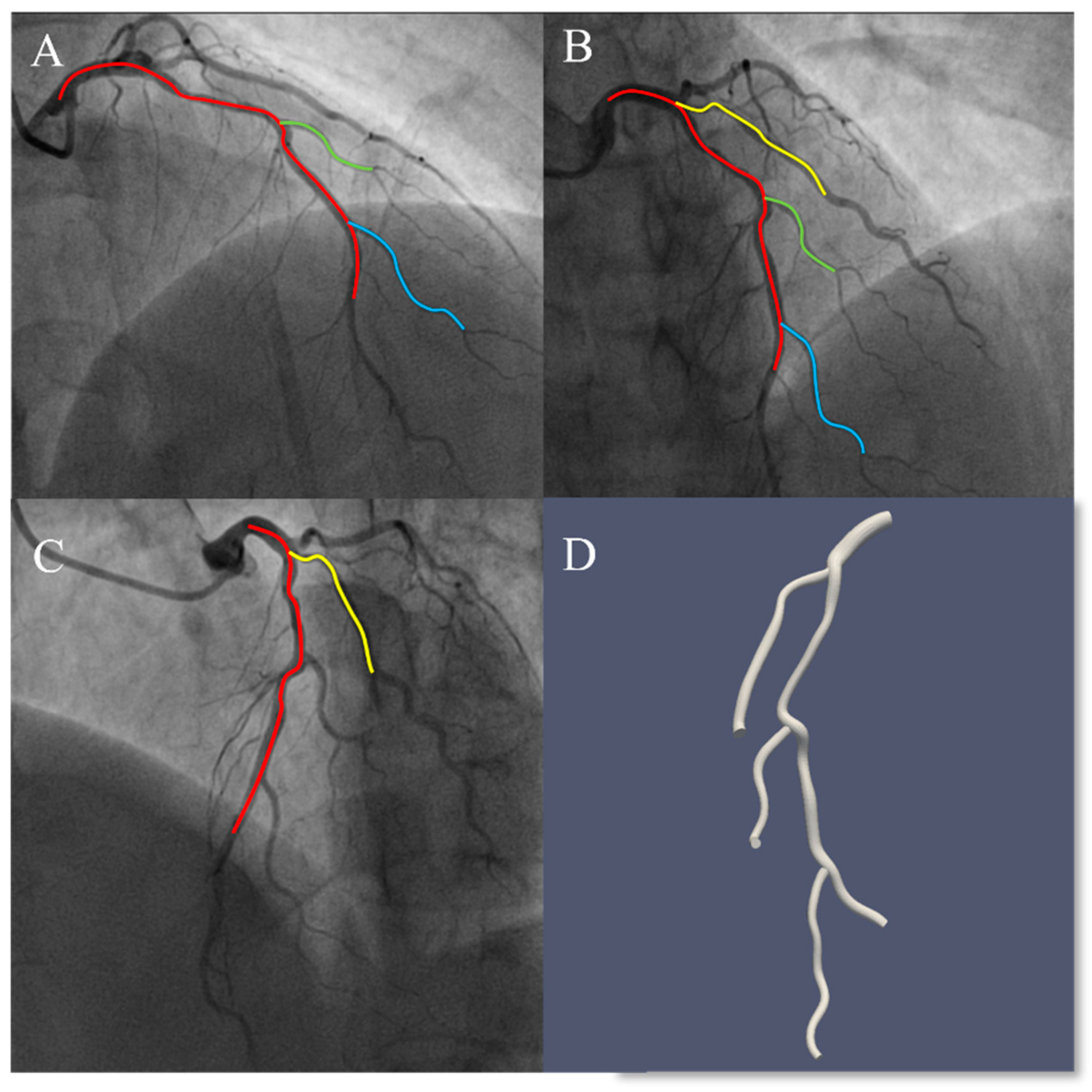
Functional coronary angiography significantly reduced cardiovascular events and improved safety compared with conventional angiography in patients with ST-segment elevation myocardial infarction (STEMI) and multivessel disease, according to findings from the AIR-STEMI trial presented at ESC Congress 2026 and published simultaneously in the New England Journal of Medicine.
European Society of Cardiology Guidelines for STEMI and Multivessel Disease
Multivessel coronary artery disease affects nearly half of patients experiencing a STEMI. European Society of Cardiology guidelines recommend treating the culprit lesion that caused the heart attack as well as non-culprit lesions using percutaneous coronary intervention (PCI) to achieve complete revascularization, though selecting which non-culprit lesions require treatment is typically based on conventional angiography.
Associate Professor Simone Biscaglia at University Hospital of Ferrara
Associate Professor Simone Biscaglia from University Hospital of Ferrara, Italy, explained the trial’s rationale by noting that traditional coronary angiography offers a two-dimensional, subjective picture that is interpreted by the human eye, making it challenging to measure the functional importance of additional blockages during the culprit procedure. Functional coronary angiography, by contrast, uses already-acquired angiographic images to reconstruct the coronary artery in three dimensions and estimate blood flow.
AIR-STEMI Trial Across 21 Centers in Italy and Pakistan
Conducted across 21 centers in Italy and Pakistan, the AIR-STEMI trial included 1,823 patients with a median age of 66 years, of whom 24% were women. Participants had undergone successful PCI for the culprit lesion and were randomized to complete revascularization guided either by functional coronary angiography or conventional angiography. In the functional angiography group, lesions were assessed using angiography-derived fractional flow reserve (FFR), where lesions with an FFR value above 0.80 were deferred and those at or below 0.80 were treated with PCI. In the conventional group, PCI was recommended for non-culprit lesions with stenosis of at least 50%.
Physiology-Guided Strategy in the AIR-STEMI Trial
The AIR-STEMI trial demonstrated that the physiology-guided strategy resulted in fewer procedures, fewer treated vessels, shorter treated segments, and lower use of contrast agents. Specifically, 51.9% of non-culprit vessels underwent PCI in the functional angiography group compared with 94.9% in the angiography-guided group. At a median follow-up of 17.9 months, the primary endpoint—comprising all-cause death, myocardial infarction, cerebrovascular accident, or ischaemia-driven coronary revascularization—was significantly lower in the functional coronary angiography group at 8.9%, compared with 13.7% in the conventional angiography group.
Keep reading
PPARD Activated in Immune Cells Becomes Cancer-Fighting Tool
Researchers at Cold Spring Harbor Laboratory and the Massachusetts Institute of Technology have discovered that the lipid-sensing transcription...

Salk Institute Finds SRF3 Protein Restores Plant Iron Balance
Researchers at the Salk Institute discovered on October 14, 2026, that the plant protein SRF3 repairs cellular iron...

Vatican announces Pope Leo XIV has lung cancer after successful surgery
Pope Leo XIV underwent successful surgery at Rome’s Gemelli Hospital to remove a cancerous nodule from his right...

Max Planck Researchers Discover How Sequence Changes Prevent mRNA Errors
Researchers at the Max Planck Institute for Multidisciplinary Sciences discovered why ribosomes slip when reading modified mRNA and...