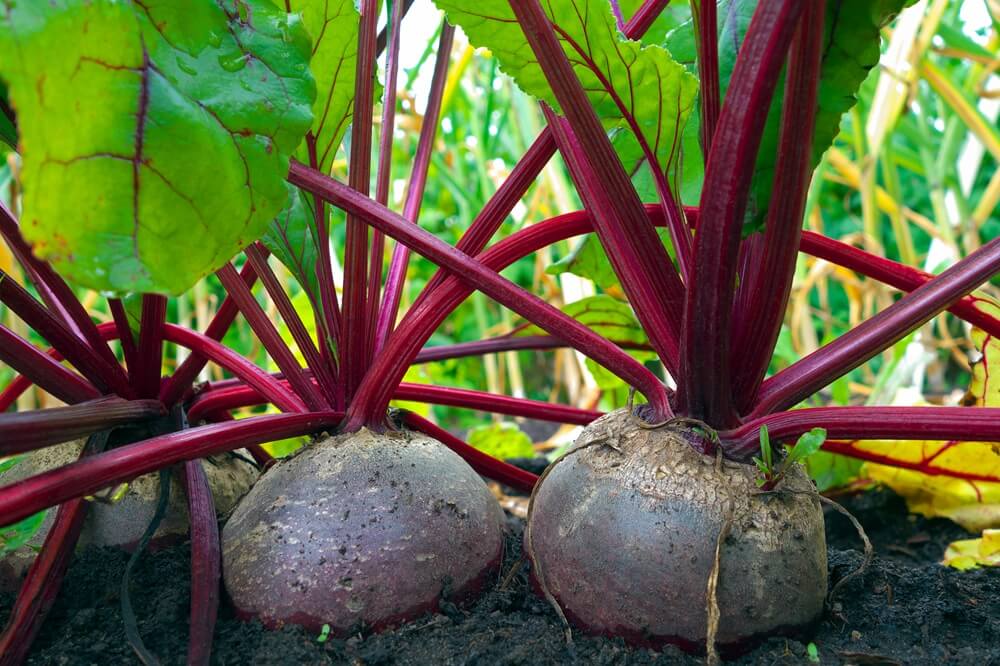
Vivid red betalain pigments helped ancient lineages of Caryophyllales flowering plants repeatedly conquer harsh arid environments, unlocking complex adaptations like water-storing succulence and unusual vascular bundles, according to a recent University of Michigan study published in the journal New Phytologist.
Evolutionary Tree Traces Pigment Origins in Caryophyllales
To untangle how plants populated some of the driest regions on Earth, researchers constructed a massive evolutionary tree incorporating roughly 4,500 species from the flowering plant group Caryophyllales. The team integrated living species from across the group’s broad taxonomy alongside fossil species from the past.
By categorizing the species based on betalain production, drought tolerance, and succulence, the study mapped out how these traits arose over millions of years.
“One thing that has always struck me about Caryophyllales is how many different lineages have independently evolved to live in extremely dry environments. We wanted to understand whether traits made those repeated transitions possible.”
Stephen Smith, professor of ecology and evolutionary biology at the University of Michigan, via Mirage News
Investigators noted that betalains are unusual compounds found exclusively within this specific group of flowering plants. Their independent appearance across multiple lineages making the leap into arid habitats pointed toward a deeper, foundational function.
“Betalains stood out because they are unusual, they occur only in this group of flowering plants, and they repeatedly appear in lineages that have made that transition into arid environments. That made us wonder whether betalains were not simply associated with drought tolerance, but actually helped create the conditions that allowed other drought adaptations to evolve.”
Stephen Smith, professor of ecology and evolutionary biology at the University of Michigan, via Mirage News
Cellular Mechanics of Drought Tolerance and Succulence
Developing fleshy, water-storing leaves and stems is metabolically expensive for plants. Tom Carruthers, a former University of Michigan postdoctoral researcher now based at University College Dublin who led the study, emphasized the heavy biological toll of succulence.
“Succulence is a really costly adaptation in most cases: You have these really thick leaves that you’re filling with water, and there are a lot of costs associated with that. It’s likely that betalains are enabling plants to start to inhabit these dry conditions, and that’s subsequently leading to succulents to evolve.”
Tom Carruthers, postdoctoral researcher at the University of Michigan and University College Dublin, via Mirage News
Scientists believe betalain pigments protect plant cells by soaking up harmful metabolic byproducts generated during stress periods, such as intense ultraviolet light, high salinity, lack of water, or disrupted photosynthesis. Furthermore, laboratory demonstrations suggest that an accumulation of betalain inside a plant cell assists the cell in pulling water directly from its surroundings.
The pigment’s presence also illuminates another botanical puzzle within the Caryophyllales group: the prevalence of medullary bundles, a unique type of vascular tissue spanning the plant stem. While the exact function of this tissue remains fully understood by no one, researchers observed that most species possessing this peculiar vasculature are also betalain-pigmented, cementing another link between the pigment and subsequent anatomical oddities.
Radioprotective Properties Found in Lab Models
Beyond evolutionary botany, beetroot derivatives have drawn scrutiny for physiological benefits in animal models.
Because the lymphohematopoietic system ranks as the tissue most sensitive to radiation exposure, protecting it remains critical for mitigating radiation side effects.
Mice receiving the beetroot diet displayed increased counts of red blood cells alongside enhanced levels of hematocrit and hemoglobin in peripheral blood, alongside an improved survival rate in lethally exposed subjects.
Whether examining ancient evolutionary shifts across parched landscapes or cellular radioprotection in laboratory models, scientific inquiry continues to validate that the chemical traits packed inside garden beets carry profound biological consequences.