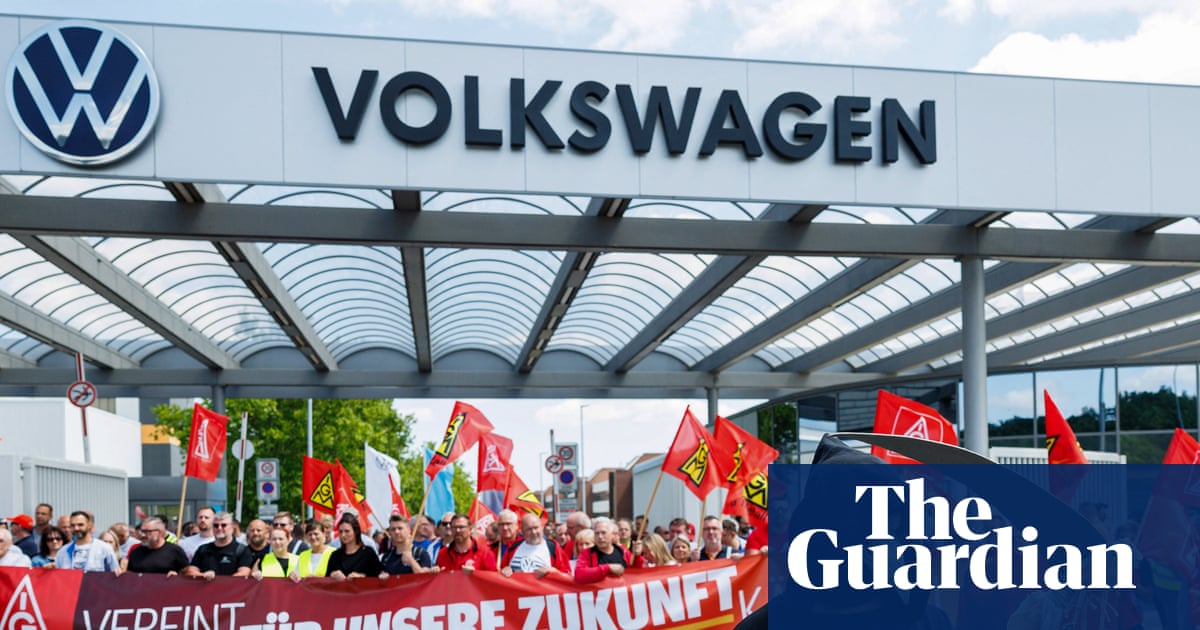
The restructuring addresses fierce competition from Chinese automakers, falling profits, and heavy U.S. import tariffs.
Future Plan 2030 and Volkswagen AG Supervisory Board
The supervisory board of Volkswagen AG agreed to a comprehensive restructuring plan dubbed Future Plan 2030
which it said was essential to restore competitiveness and secure the group for the future. The transformation plan includes cutting another 50,000 jobs in its attempt to counter painful tariffs, overcapacity and aggressive Chinese rivals. The plan is the most extensive restructuring in Volkswagen’s 89-year history. The carmaker will shed another 50,000 management and workforce positions, doubling current layoffs across the group, on top of another 50,000 already agreed. The group – which includes Audi, Porsche, Skoda, Lamborghini, Bentley as well as the VW brand – said in March that it would cut 50,000 roles by the end of the decade. The total 100,000 cuts will be the largest restructuring ever carried out in the global automotive industry, amounting to about 15 percent of the carmaker’s staff worldwide. It eclipses the 50,000 job cuts General Motors made after it declared bankruptcy in 2009. Its employment in Germany dropped from 275,000 in 2023 to 254,000 as of June 30, 2026, according to the company’s most recent financial report.
Oliver Blume Wolfsburg Headquarters Statement
Volkswagen’s chief executive, Oliver Blume, said in a statement on Thursday that the move is a “strong signalfor the future of the firm, which is
taking responsibility for our entire workforce”. Blume said in July that the firm was looking to make the additional cuts. The Beetle-maker has been hit by a drop in profits due to falling sales and fierce competition, especially from Chinese brands. The approval follows weeks of tense negotiations and public backlash, including an incident last month where Blume was booed by staff during a tour of the company’s headquarters in Wolfsburg, northern Germany, as part of a company dialogue about the need to address its financial challenges.
Plant Futures and Excess European Production Capacity
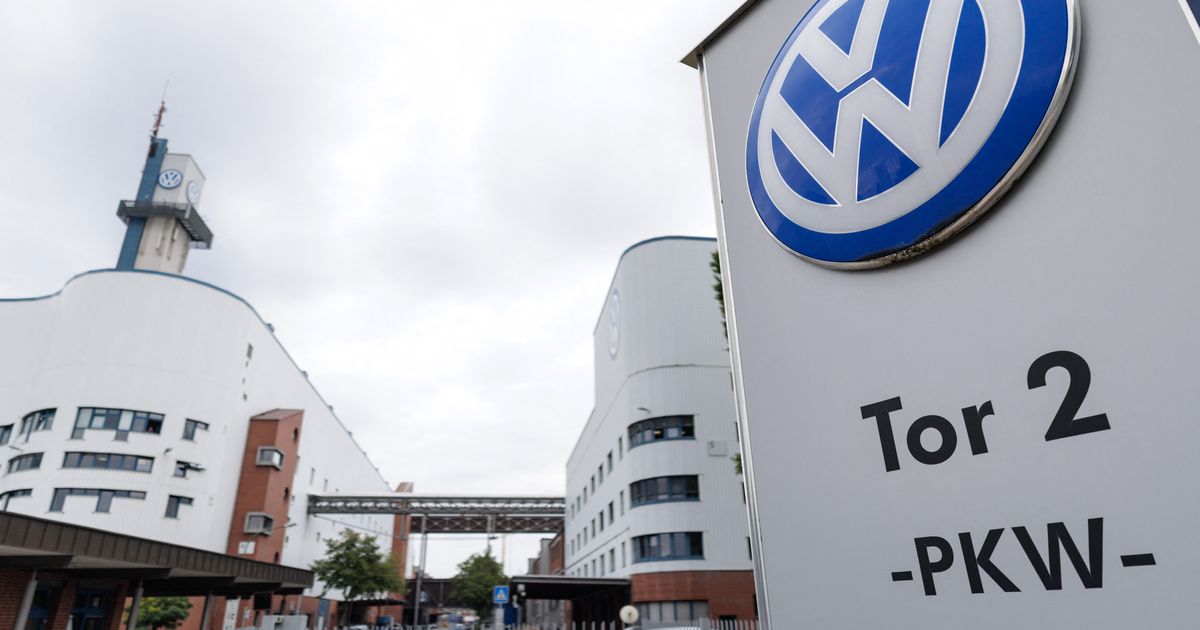
Beyond personnel reductions, the restructuring confronts severe manufacturing overcapacity. Volkswagen Group said it has also determined that its German factories have excess capacity of about 500,000 vehicles a year but did not identify specific job cuts or factory closings, with VW stating its European factories currently have more than 500,000 units of excess capacity. VW says it cannot guarantee future production allocations for its plants in Emden, Zwickau, Hanover and Neckarsulm from 2031-2034 and alternative uses for the sites are being evaluated. German car giant Volkswagen said Thursday that management and unions had agreed that the long-term future of four German plants — in Hannover, Emden, Zwickau and Neckarsulm — could not be guaranteed, while adding that alternative uses will be explored.
Overhauling the Model Range and Slashing Complexity
Volkswagen Group Model Range and Complexity Reduction
Volkswagen Group announced late Thursday that it plans to eliminate 50,000 jobs and cut half of its vehicle offerings. The group aims to cut its model range by about 50% and reduce complexity by about 75% by 2035, to focus on a smaller number of higher volume models and achieve greater economies of scale. The company said it will cut “complexity” of the cars they build by 75%. The prioritized models aim to excel in design and technology – and benefit from the focus on fewer variants,
according to a statement. The company said it had approved a plan that involved the reduction of about 50,000 jobs
, on top of another 50,000 already agreed. The plan put forward by CEO Oliver Blume to counter low-cost competition in China and headwinds from U.S. tariffs overcame resistance from employee representatives and the regional government, which holds a stake in the company. This is a strong signal for the future of Volkswagen Group,
Blume said in a statement. The plan would make our iconic brands even more attractive, stronger and competitive.
Tariffs, Chinese Competitors, and Trade Pressures
The German automaker is struggling with headwinds from increasing Chinese competition in Europe and tariff costs on its shipments to the US market. Hit by U.S. tariffs, patchy demand for electric cars and above all fierce competition in and from China, Europe’s largest carmaker is in trouble. The deal will result in a simplification of Volkswagen’s conglomerate structure and limit the influence of the group’s supervisory board — on which unions and Lower Saxony hold a majority — on key decisions. This is a strong signal for the future of the Volkswagen Group. We are taking responsibility for our entire workforce, for our partners and for industry,
Volkswagen said.
Worth a look
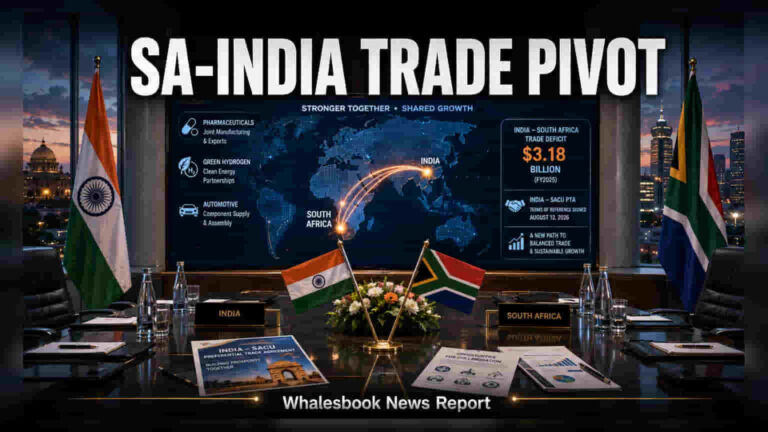
South African Business Delegation Visits New Delhi to Address Trade Deficit
A South African business delegation is visiting New Delhi to explore opportunities for expanding economic ties with India...

Impala Platinum Reports Surging Annual Profit on Higher Metal Prices
Impala Platinum reported a net profit of 31.04 billion South African rand, equivalent to $1.93 billion, for the...
SEC Preps Proposal to Widen Retail Investor Access to Private Markets
The US Securities and Exchange Commission submitted a planned proposal to the White House Office of Management and...
Global Bond Yields Hit Highest Levels Since 2008 as Debt Selloff Widens
Global bond yields surged to their highest levels in nearly two decades as escalating energy prices and stricter...