The US Securities and Exchange Commission submitted a planned proposal to the White House Office of Management and Budget aiming to widen retail investor access to private markets and modernize the framework for investment adviser performance fees, according to regulatory notices reported recently.
The federal financial regulator is attempting to open up a lucrative segment of the financial sector that has long remained off-limits to everyday retail participants. By targeting both the Investment Advisers Act of 1940 and the Investment Company Act of 1940, the agency wants to rewrite how private market access functions.
Modernizing Performance Fees and Retail Fund Access
The core mechanism of the planned regulatory shift involves changing how investment advisers charge performance fees and creating avenues for retail investors to buy into private companies through registered funds. At present, federal guidelines restrict investment advisers from assessing performance fees strictly to so-called qualified clients.
That restriction effectively gates an entire asset class behind wealth thresholds, according to industry legal analysis.
“Through limiting performance fees, you’re limiting access to that asset class. Whether that’s a good or bad thing, that’s debatable.”
Thoreau Bartmann, K&L Gates partner and former SEC investment management attorney
Historically, private market investing stayed restricted to large institutions and affluent individuals. Regulators and financial architects long presumed those groups possessed the sophistication needed to evaluate high-risk, unlisted ventures.
Chairman Atkins and the Push for Market Freedom
SEC Chairman Paul Atkins has repeatedly criticized the regulatory walls surrounding private enterprises, arguing that many fast-growing corporations choose to raise capital entirely outside public exchanges. Because those firms bypass public listings, most retail investors miss out on their early growth cycles.

Addressing an SEC gathering in March, Atkins framed the regulatory overhaul around core philosophical principles, stating that broadening participation in private markets centers on freedom and fairness,
as noted in coverage of the event. The agency itself echoed this stance in an official statement, emphasizing that exposure to the full dynamism of our markets – both public and private – should not be reserved for wealthy insiders.
The Disclosure Tradeoff and Next Steps in Washington
Opening private markets to retail investors carries distinct hazards. Private offerings provide far fewer public disclosures than traditional equities or bonds, making them significantly harder to value accurately and exposing participants to heightened financial vulnerability.
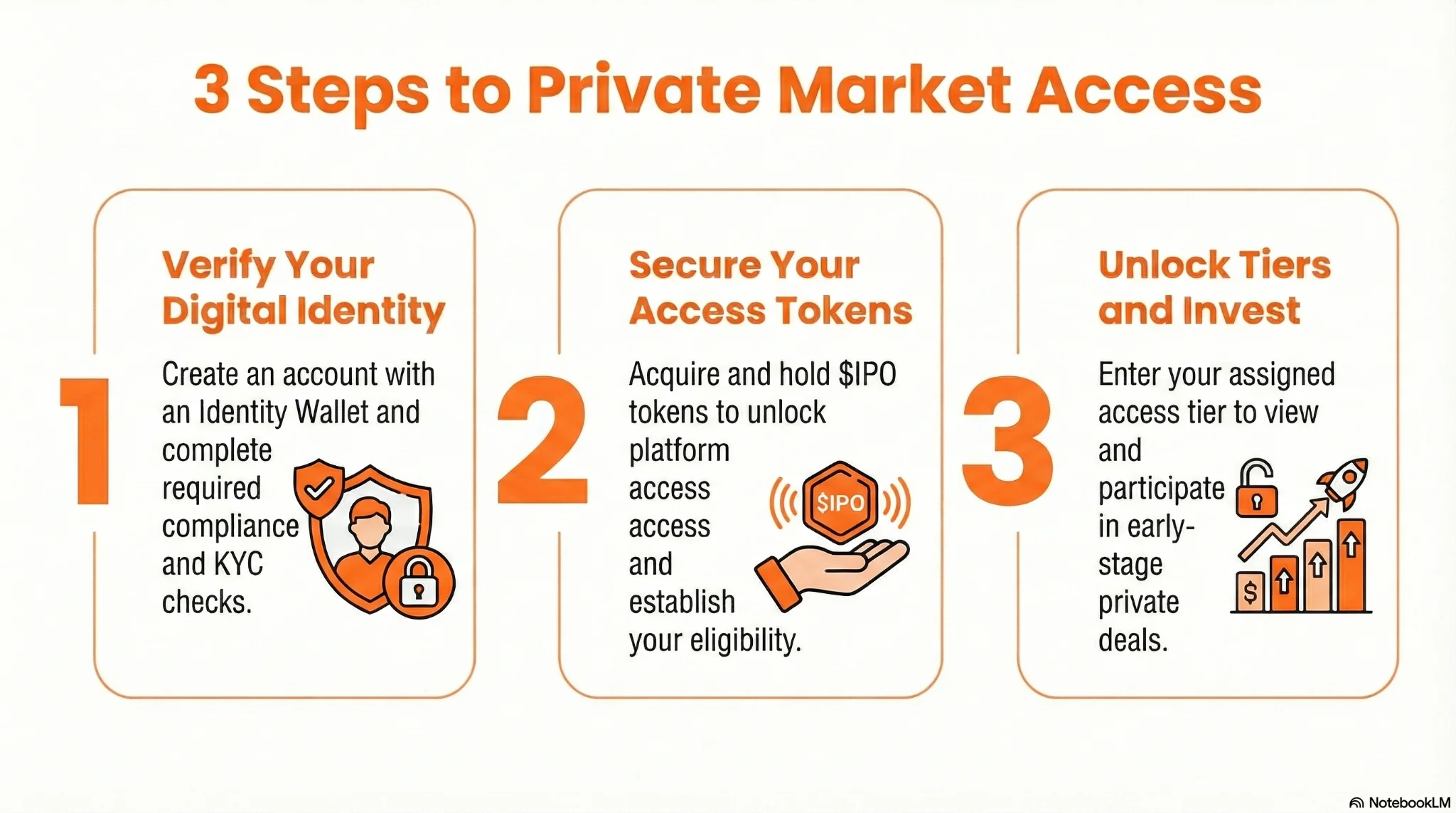
Investor advocacy groups have already pushed back against the initiative.
The initiative now sits with the White House Office of Management and Budget, which received the rulemaking notice. Once that executive review concludes, the three-member commission is expected to publish a formal proposal, opening the text to a public comment period. The agency will then weigh public feedback before drafting a final version that requires a formal vote by the commission.

Jaguar Unveils All-Electric Type 01 Grand Tourer
Jaguar has unveiled its new all-electric Type 01 grand tourer in New York, setting a starting price of...
CREA revises down 2026 home sales forecast again as September transactions fall 7.7%
Canada's housing market faltered in September 2026 as national sales dropped 7.7 per cent year-over-year.

Jersey Businesses Squeezed by Rising Fuel Costs
Diesel prices in Jersey have surpassed £2 a litre, sparking concern among local construction and trade businesses over...

Sensex Closes 1,533 Points Higher at 74,315.61
Indian equity benchmarks Sensex and Nifty rallied sharply on October 15, 2026, defying weak global markets as investors...