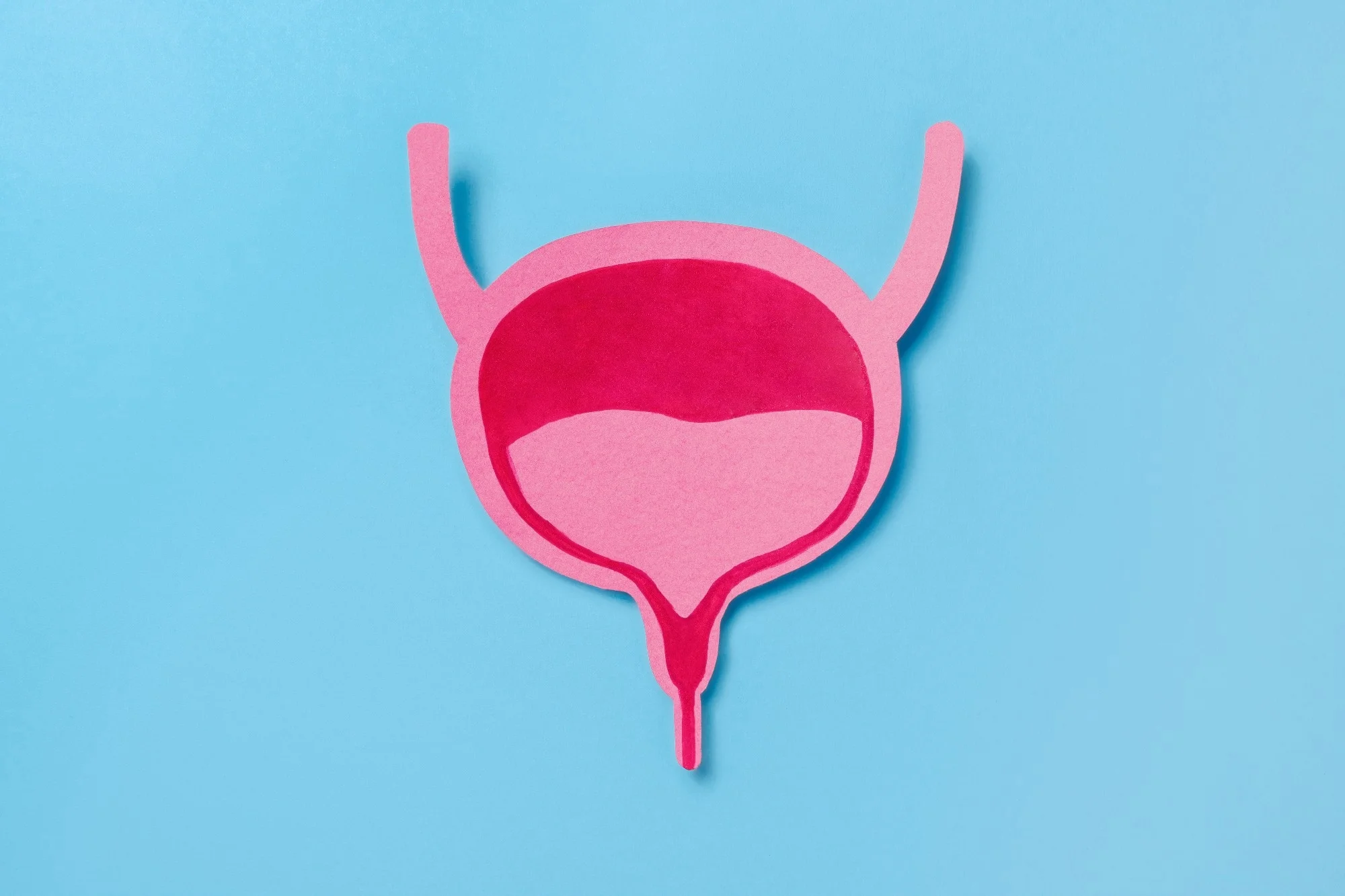
Lower urinary tract symptoms, often abbreviated as LUTS, encompass a wide range of clinical complaints involving the bladder, urethra, and prostate. These symptoms can involve difficulties in holding or releasing urine, as well as post-micturition issues that arise immediately after urination. Dysfunction in the lower urinary tract can cause a host of issues, such as infections, difficulty urinating, or a constant feeling that the bladder needs to be emptied.
Understanding Lower Urinary Tract Symptoms and Prevalence
LUTS are very common among adults. According to research cited in News Medical, prevalence has been estimated at 62.5% in men and 66.6% in women in one large population-based study. Furthermore, research specific to women indicates a prevalence of 67%, with overactive bladder affecting 13% of women and increasing with age. Among young adult to middle-aged women, lower urinary tract symptoms affect between 20% and 40%, with incidence and severity increasing as people age. In the United States, healthcare costs for urinary incontinence alone approach $14.2 billion annually.
The Link Between Mental Health and Bladder Function
Emerging evidence highlights an intricate relationship between the mind and the lower urinary tract, revealing that chronic psychological stress, anxiety, and depression can affect bladder function and amplify bladder dysfunction. Longitudinal studies indicate these relationships can be bidirectional, although causality across the broader literature has not been established.
Clinical depression has been positively associated with general lower urinary tract symptoms, overactive bladder, nocturia, urinary incontinence, and voiding dysfunction. Additionally, increasing overactive bladder severity tends to correlate with more severe depressive and anxiety symptoms. Biological pathways connecting psychological stress with lower urinary tract changes include the hypothalamic-pituitary-adrenal axis, with animal models demonstrating that chronic or early-life stress can alter axis function and produce bladder hypersensitivity, micturition changes, mast-cell activity, and neurogenic bladder inflammation. Psychological stress also alters autonomic nervous system activity and stress-response pathways.
Diagnosis and Clinical Evaluation
When individuals experience lower urinary tract symptoms, a healthcare professional typically begins with a physical exam and a detailed inquiry into the patient’s symptoms, duration, underlying medical conditions, medications, substance use, lifestyle habits, and family medical history.

Clinicians may employ a variety of tests and assessments:
- Urinalysis to check for infection signs
- Blood tests if a prostate-related issue is suspected
- Uroflowmetry and post-void residual tests to measure volume, strength, and pressure
- Rectal exams to examine the prostate
- Ultrasounds of the bladder, kidneys, or prostate
- Kidney function tests
- Cystoscopy using a small tube and tiny camera to inspect the bladder and urethra
Treatment Options and Management Strategies
While lower urinary tract symptoms are common and not always a reason for serious concern, addressing them can prevent worsening or reverse the condition. Treatment is especially recommended when symptoms affect day-to-day quality of life.

First-line treatments often include lifestyle modifications such as limiting nicotine, alcohol, or caffeine intake, strengthening pelvic floor muscles, establishing a bathroom schedule, modifying medications, altering fluid consumption, losing weight if overweight or obese, and reducing stress and anxiety.
Depending on the specific cause and severity, healthcare professionals may also prescribe medications:
- Antibiotics for infections
- 5-alpha reductase inhibitors, such as dutasteride
- Alpha-blockers, such as alfuzosin, to help relax the bladder
- Antihypertensives, such as doxazosin, to relax blood vessels and manage an enlarged prostate
- Bladder antispasmodics, such as oxybutynin, to reduce bladder spasms
In cases of moderate to severe symptoms, or when physical obstructions such as tumors, fibroids, or an enlarged prostate are present, surgical intervention may be necessary.
Keep reading

Researchers Use Cold Plasma to Reduce Bacterial Contamination on Dried Seaweed
Researchers exploring non-thermal atmospheric dielectric barrier discharge plasma report that operating devices at 1.1 kV and 43 kHz...

Lifestyle Programs Improve Cognition for Older Adults in Latin America and Japan
Older adults at risk of dementia improved their memory, thinking skills, and overall cognitive performance after participating in...
University of Rochester Finds Lung Cells That Support Influenza Immunity
Researchers have identified long-lived monocyte-derived cells in the lungs that sustain tissue-resident memory T cells, providing durable local...
AI Chatbots Fail to Give Correct Sleep Apnoea Advice in Over a Third of Cases
Free AI chatbots fail to give correct medical advice more than a third of the time when patients...