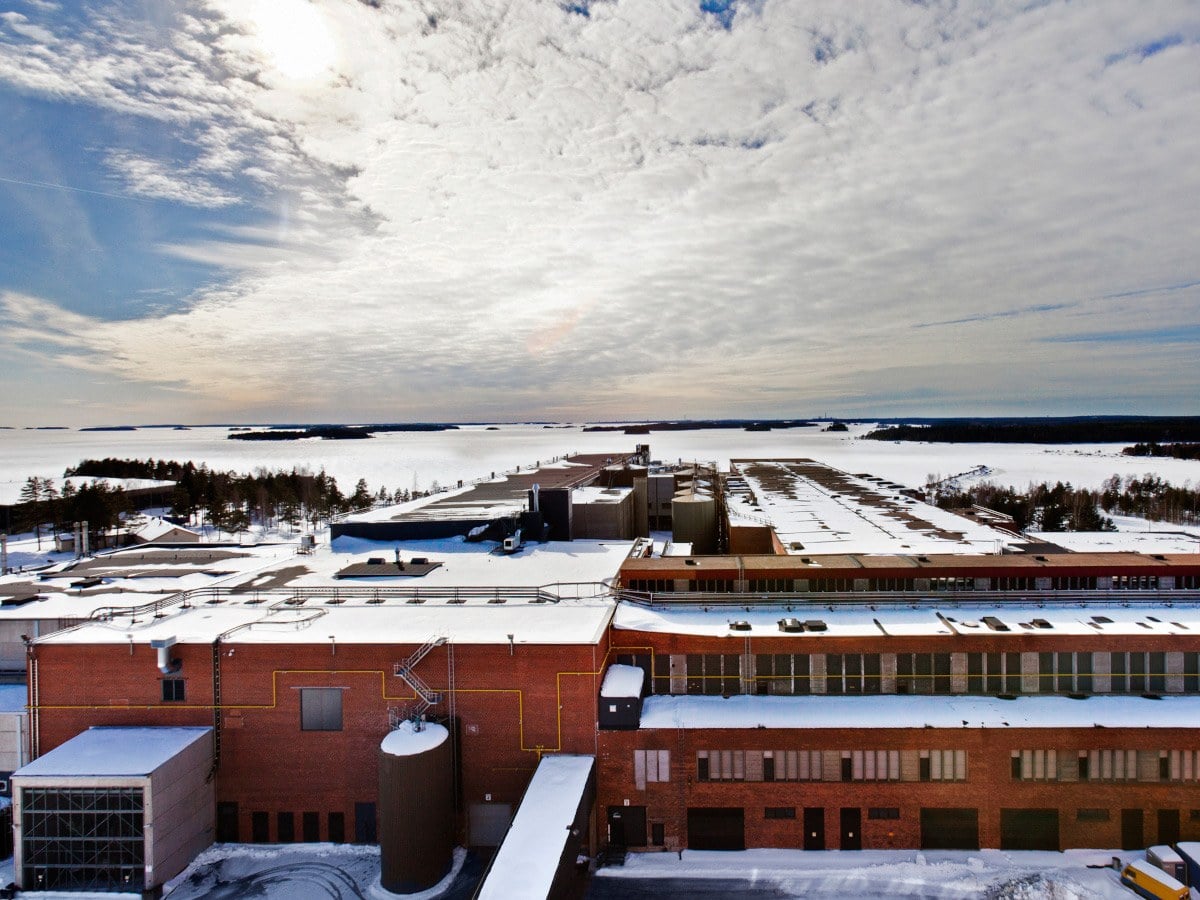
Google has committed €13 billion to fund digital and AI infrastructure in Finland across 2027 and 2028, marking its largest single investment in Europe. The two-year plan includes expanding data centers, partnering with Fortum on a 22-year nuclear power agreement, and funding regional clean energy and community initiatives.
Expanding Data Centers Across Four Finnish Regions
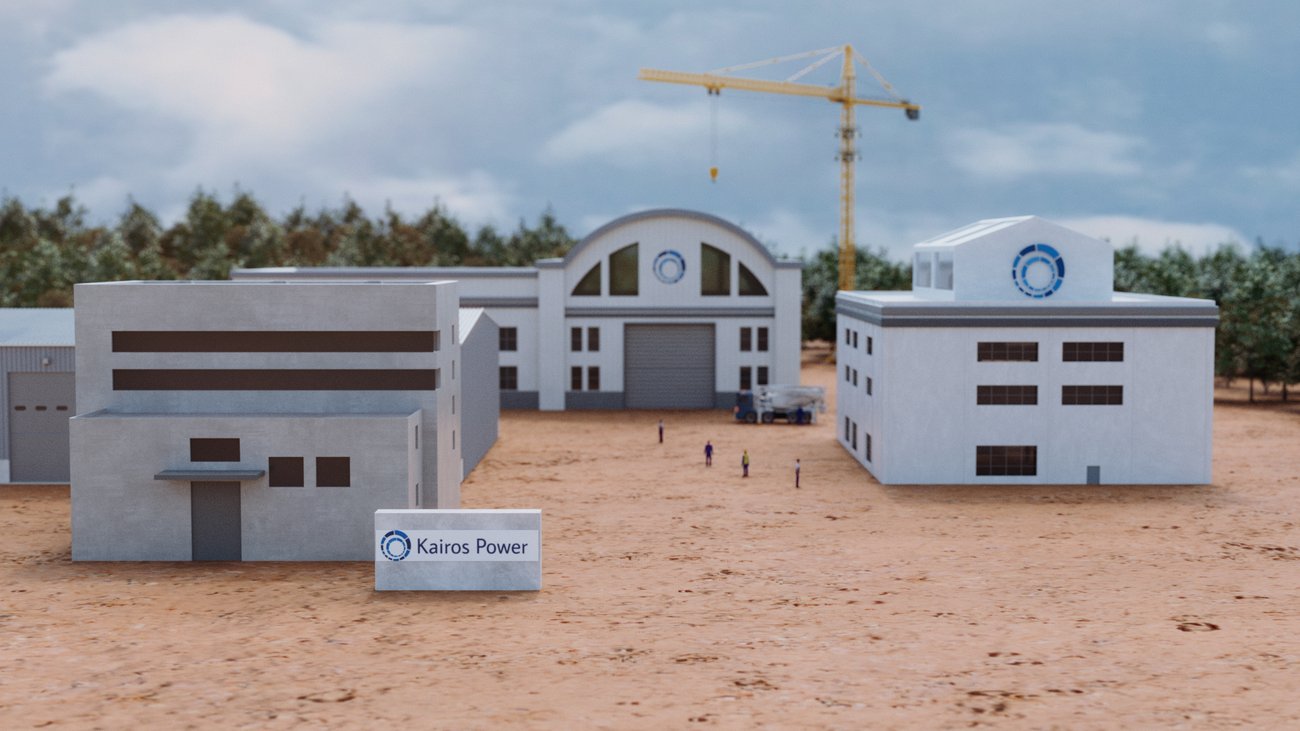
The multi-billion-euro initiative will fund three new data centers alongside major expansions to an existing facility. Google plans to construct new technical hubs in Kajaani, Muhos and Vaala, while significantly scaling up its operations at its established site in Hamina. That original facility, which opened in 2009 after the company converted a former paper mill, has served as a cornerstone for its European cloud operations for over fifteen years.
Google secured 50 acres of land adjacent to its Hamina facility in 2022, acquired 1,400 hectares in Kajaani and Muhos from state-run forest agency Metsähallitus in 2024, and added another 900 hectares in Vaala in February.
The newly funded facilities will supply computing capacity necessary to run products such as its AI chatbot Gemini, alongside Search, Maps and YouTube. Alphabet president and chief investment officer Ruth Porat stated that the initiative represents a major milestone for the technology giant.
Securing Nuclear and Wind Power Partnerships
To power the massive energy demands of its growing data center network, Google has tied its expansion directly to Finland’s low-carbon grid. The centerpiece of this strategy is a 22-year power purchase agreement with Finnish utility Fortum, under which Google will purchase up to half of the electricity produced by the Loviisa nuclear power plant.
Beyond nuclear energy, Google has partnered with wind developers Valorem and Suomen Hyötytuuli, bringing its total new-to-the-grid onshore wind capacity in the country to nearly 630 megawatts. The technological layout also incorporates a 94MW battery system connected to the national grid near the Kajaani data center site, scheduled to become operational in late 2027.
Finnish Prime Minister Petteri Orpo welcomed the commitments, pointing out that Finland has emerged as an attractive location due to its cool climate, low-carbon power grid, and skilled tech talent.
Economic Impact, Employment, and Regional Growth
During the primary construction phase slated for 2027 and 2028, Google’s investment is projected to contribute an annual average of €3.6 billion to Finland’s GDP. The project is expected to support more than 37,000 jobs nationwide, with approximately 16,000 of those positions directly in construction, generating labor income across the sector.
Once the data centers are fully operational, the facilities will support 7,000 permanent jobs annually. These roles span on-site technical positions, facility management, and upstream equipment suppliers.
| Economic Indicator | Estimated Project Impact |
|---|---|
| Total Investment | €13 billion across 2027–2028 |
| Annual GDP Contribution | €3.6 billion average |
| Construction-Phase Employment | 37,000+ total jobs (16,000 in construction) |
| Long-Term Operational Employment | 7,000 annual roles |
Workforce Training and Environmental Restoration Initiatives
The agreement extends beyond digital infrastructure and energy supply lines to include local community and environmental commitments.

In partnership with local vocational colleges and labor organizations, the company plans to deliver AI education programs designed to equip workers with relevant digital skills, alongside a specialized training program for local students pursuing careers in data center management.
On the environmental front, the investment package funds dedicated nature and community funds aimed at supporting local biodiversity, habitat regeneration, and ecological corridors for wildlife. Construction across Kajaani, Muhos, Vaala, and Hamina is scheduled to move forward through 2027 and 2028 under the oversight of Finland’s national grid operator Fingrid and Business Finland.
Related reading

Business Council of Alberta Urges Voters to Reject Secession
Business leaders across Alberta are urging voters to reject secession in the October 19 referendum, warning that leaving...

Bathla Group Collapse Leaves Thousands of Australian Homebuyers in Limbo
Sydney property developer Bathla Group’s collapse has left thousands of Australian homebuyers who paid deposits for off-the-plan properties...

Asian Stocks Rally As Chipmakers Surge On AI Demand
Asian equities advanced on Monday, driven by a sharp technology rally in chipmakers alongside robust artificial-intelligence demand.

SpaceX Targets Late 2027 Launch for Nvidia-Powered Orbital Data Center
SpaceX is targeting a late 2027 launch for an orbital data center powered by Nvidia’s Vera Rubin architecture.