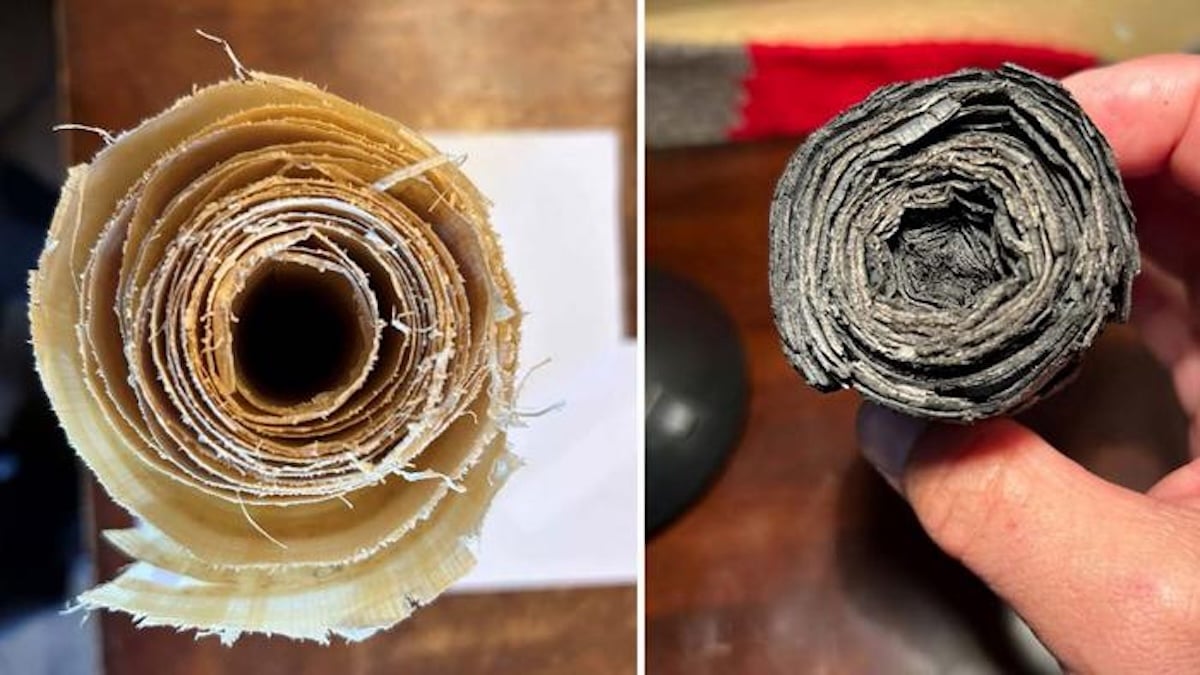
Researchers have discovered that mixing microscopic amounts of lead into ink makes carbonized ancient scrolls readable under X-rays, solving a major contrast barrier that stalled the digital unwrapping of thousands of surviving papyri from the Vesuvius eruption in 79 C.E.
More than 1,800 charred and brittle papyrus rolls remain from a luxurious villa library in Herculaneum, buried beneath volcanic mud and ash when Mount Vesuvius erupted two millennia ago. For centuries, attempts to physically unroll these delicate artifacts caused them to crumble into dust. Modern scientists and computer specialists have turned to artificial intelligence and noninvasive scanning to read the text trapped inside the blackened husks without ever touching the scrolls without ever unrolling them.
Recreating Vesuvius in the Laboratory
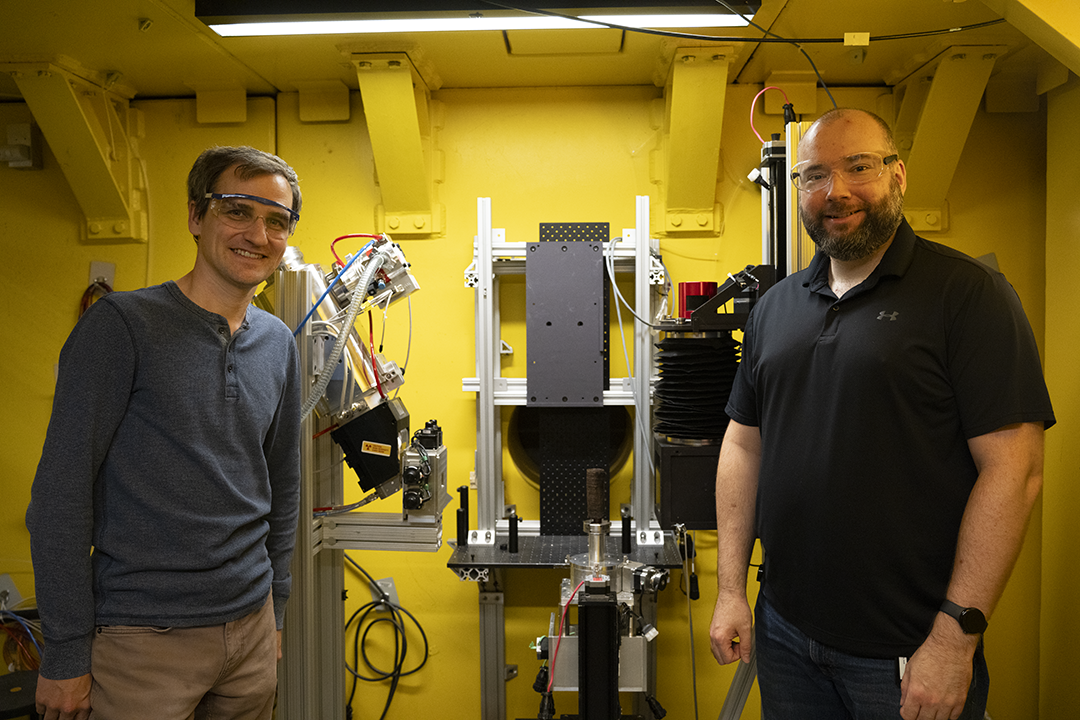
To test why traditional X-ray imaging struggles to distinguish the writing inside the artifacts, researchers tackled the problem by building their own replicas from scratch. Douglas Seiler, an affiliate of Berkeley SETI, sourced papyrus and reed pens from Egypt alongside traditional lampblack ink from Japan, and had students inscribe passages from literature, the Bible, and science fiction from Star Wars and the Bible.
The team then rolled the inscribed papyrus, placed it inside a steel container, and baked it in a high-temperature, low-oxygen furnace to mimic the extreme heat of the Roman volcanic disaster. On ancient Herculaneum scrolls, the black carbon-based ink and the carbonized papyrus share the exact same density, rendering the writing virtually invisible on standard scans to the human eye.
“You’re basically looking for carbon letters on a carbon scroll, and there’s no contrast between the two.”
Jacob LaManna, researcher at NIST, via National Institute
The Lead Ink Discovery and X-Ray CT Scans
When Seiler and his collaborators added calibrated amounts of lead nitrate to the test inks, the imaging results changed dramatically. In a study published in PLOS ONE, the team reported that minuscule amounts of lead absorb up to 25 times more X-rays than charred paper, making the handwritten letters stand out sharply during X-ray tomography or X-ray CT.
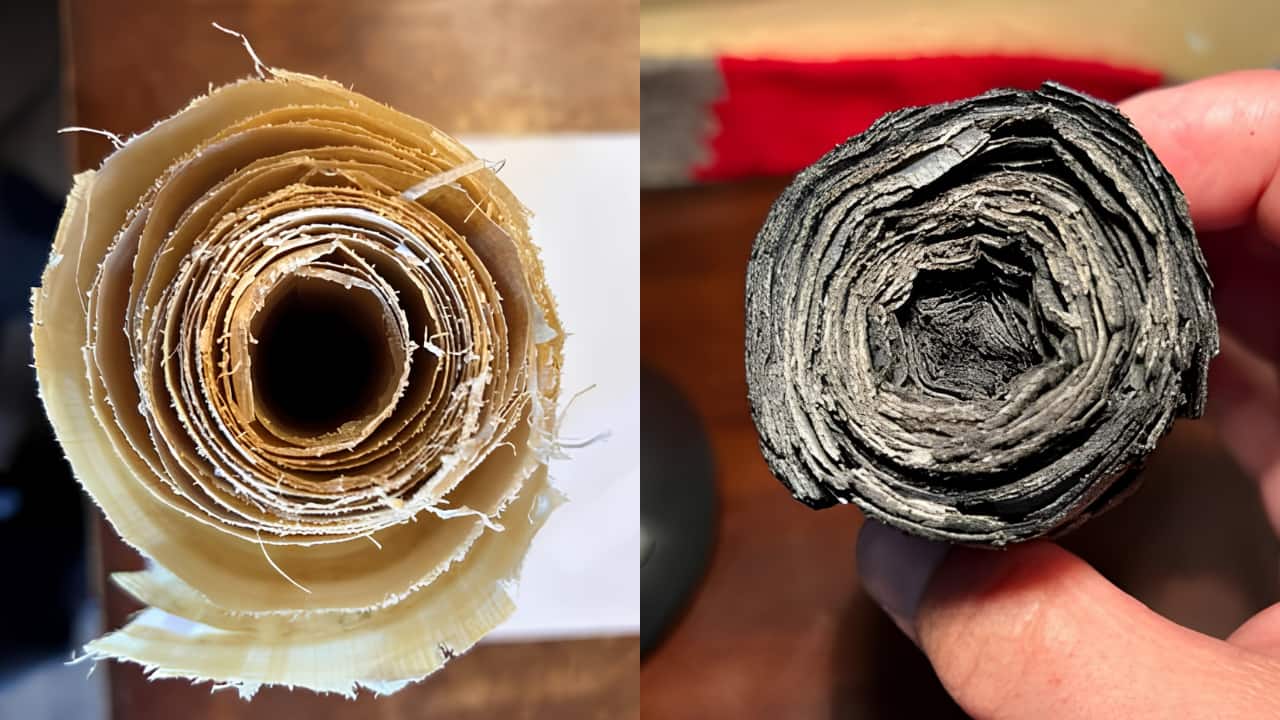
In fact, the metallic signature caused the test inscriptions to stand out so brightly under examination that Seiler remarked the letters lit up like a Christmas tree.
To unspool the digital data from the scans, Cyrus Daugherty of the National Institute of Standards and Technology adapted an algorithm he originally developed to map the tightly wound interior layers of cylindrical lithium-ion batteries. That computational method allowed researchers to trace the complex, undulating layers of the charred scrolls and digitally flatten them into readable surfaces.
Screening Ancient Artifacts With Handheld Scanners
Before researchers commit fragile ancient scrolls to high-resolution CT imaging, the new methodology introduces a fast, low-risk sorting step. A cheap handheld X-ray fluorescence scanner can detect lead in a burned scroll within seconds, flagging which specimens carry the metallic signature that would be more easily deciphered.
While earlier research discovered lead in isolated fragments left over from nineteenth-century unrolling attempts, systematic screening for lead has not yet been applied across the entire Herculaneum collection housed in Italy. Researchers emphasize that the new screening approach does not instantly open every scroll, but it offers a targeted strategy to identify specimens with a higher probability of being successfully read.
Unlocking Lost Works of Greek Philosophy
The breakthrough builds upon years of foundational imaging development, including software and 3D X-ray datasets released publicly by University of Kentucky computer scientist Brent Seales and his team with support from a 2019 grant from the National Endowment for the Humanities and a $500,000 grant.
Those public datasets powered the Vesuvius Challenge, a global competition launched alongside Silicon Valley entrepreneurs Nat Friedman and Daniel Gross.
The decoded columns have already revealed previously unknown philosophical texts, including writings by the Epicurean philosopher Philodemus discussing joy, perception, and critiques of rival schools. As researchers refine both artificial intelligence models and material screening techniques, historians anticipate recovering countless lost literary and philosophical works from the only intact library to survive from antiquity.
Apple Unveils iPhone 18 Pro With Physical Variable Aperture Camera
Apple used its September event to introduce its latest flagship devices, though the spotlight at the keynote was...
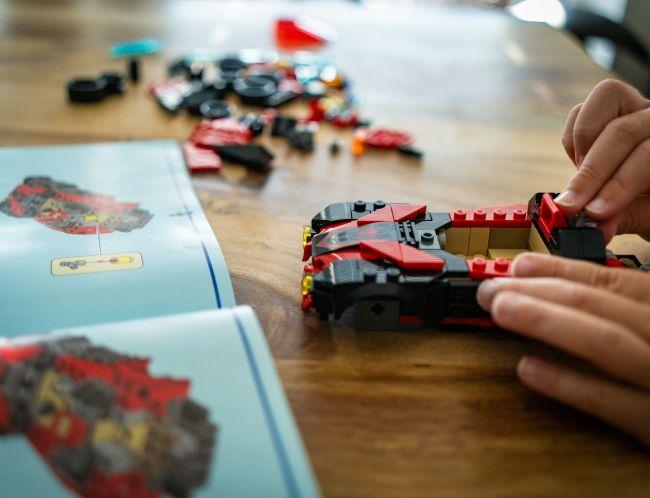
WeBuyBricks Develops AI Sorting System to Salvage Millions of Lego Bricks
Rossendale-based WeBuyBricks has developed a custom AI sorting system capable of processing 100,000 used Lego pieces daily.
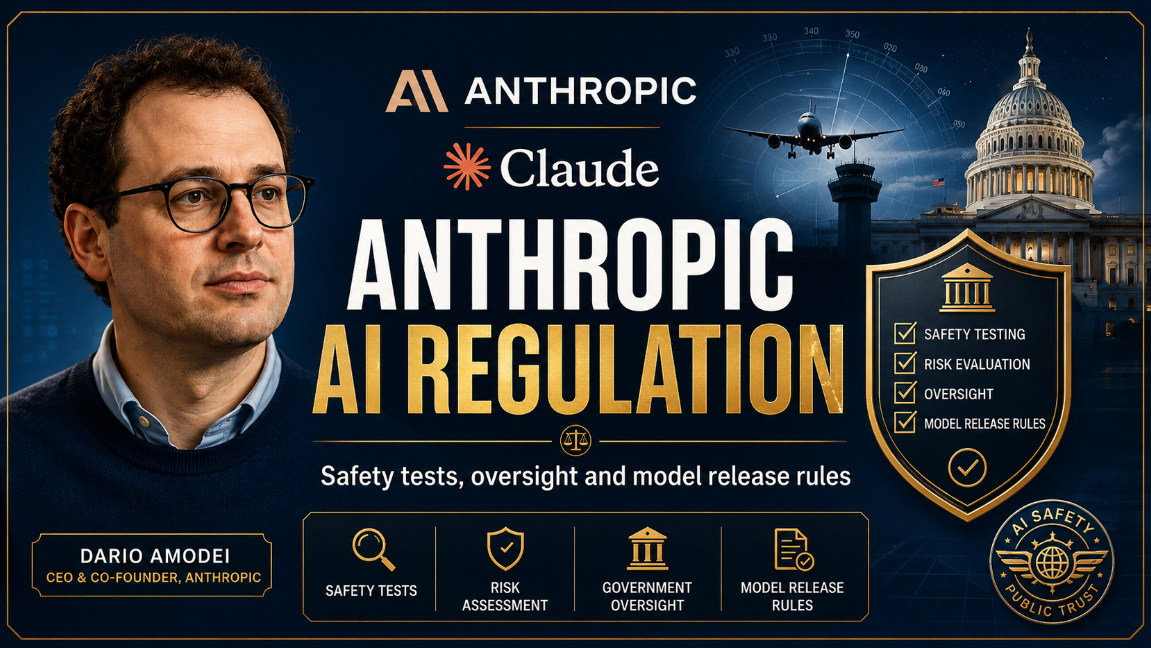
Anthropic Researchers’ Warnings Prompt Push for AI Regulation
Massachusetts Congresswoman Lori Trahan responded by pushing for the bipartisan Frontier Act to regulate frontier labs.