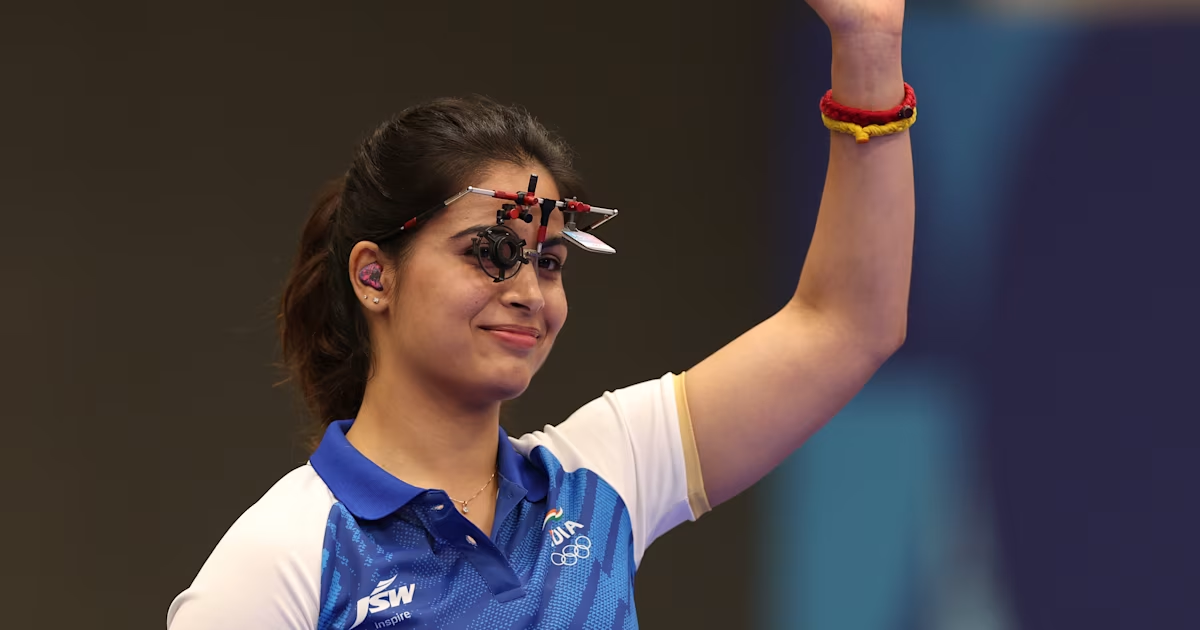
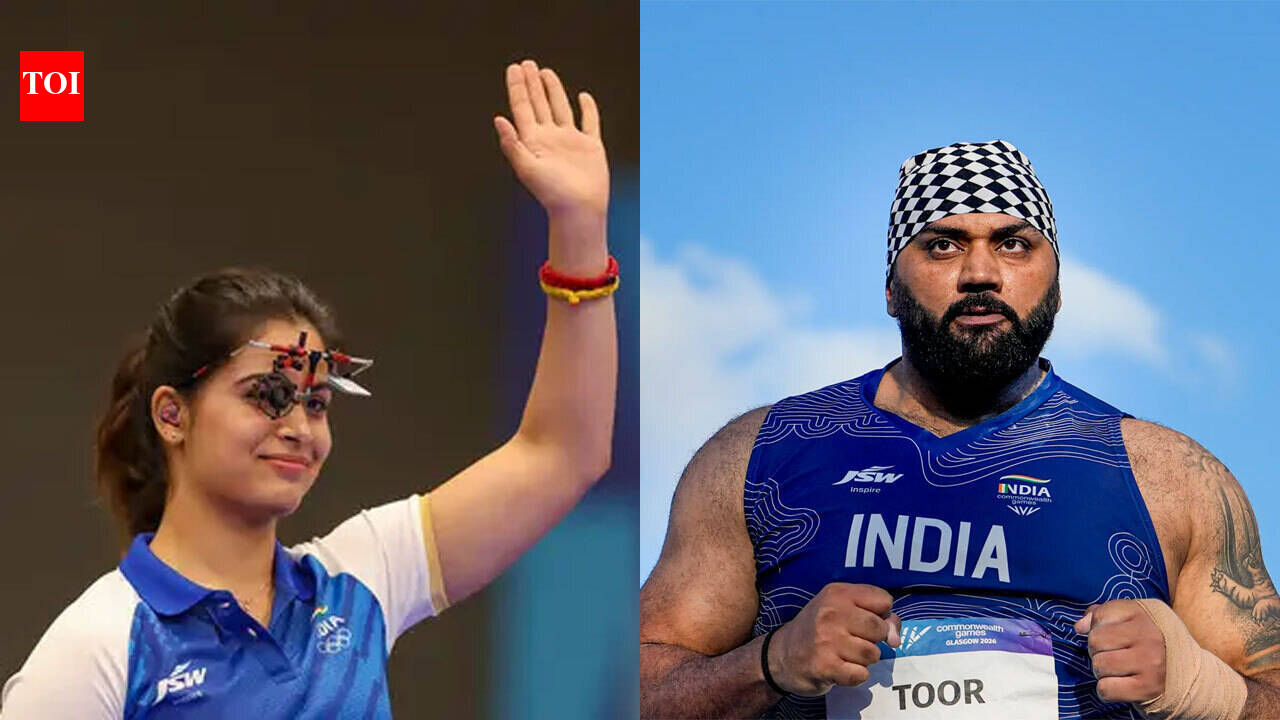
As India prepares for the 2026 Asian Games opening ceremony in Aichi-Nagoya, Japan, with flagbearers Manu Bhaker and Tajinderpal Singh Toor, the delegation’s arrival has been overshadowed by logistical chaos, a delayed flag-hoisting ceremony, and early medal action in teqball.
Manu Bhaker and Tajinderpal Singh Toor Named Flagbearers for Aichi-Nagoya
India’s 503-member contingent enters the 20th Asian Games under the joint leadership of two distinct generations of athletic success.
Bhaker arrives in Japan following a historic performance at the Paris Olympics in 2024, where she became the first athlete from independent India to secure two medals in a single edition of the Games. She claimed bronze in the women’s 10m air pistol event and partnered with Sarabjot Singh to earn another bronze in the mixed team 10m air pistol category. Chef de Mission Sahdev Yadav confirmed Bhaker’s selection, while the Athletics Federation of India announced Toor as her co-flagbearer.
Toor brings substantial continental pedigree to his role.
Logistical Disruption Mar Official Welcome and Flag-Hoisting Ceremony
While the ceremonial start approaches, the delegation’s arrival was marred by systemic organizational turmoil.
Scheduled for 1:30 PM local time near the athletes’ container-style lodgings, the event stalled amid conflicting instructions. Indian representatives—including Chef de Mission Sahdev Yadav and deputy chef de missions A. Sharath Kamal, Lijo David Thottan, Alaknanda Ashok, and Anjali Bhagwat—assembled on time but were repeatedly directed back to waiting areas. The disruption stretched past an hour, drawing intense media scrutiny over whether administrative issues triggered the delay.
We are sorry for the delay. There is some trouble with a team.
Senior ANAGOC official, via Rediff
Organizers later attributed the breakdown to administrative friction between the Olympic Council of Asia Executive Board and the local organizing committee, known as ANAGOC. Chef de Mission Sahdev Yadav admitted to the press, I have not seen such a scene before,
reflecting the severity of the operational hurdles that have also included athlete complaints regarding cramped lodging facilities.
Quimcy Dsouza Drives Early Medal Hunt in Teqball
Away from the administrative friction, India’s competitive campaign has already commenced. Dsouza secured her place by winning both Group A matches on Friday, overcoming Japan’s world No. 7 Yuina Sakamoto 2-1 and defeating Cambodia’s DY Koemyean 2-0 before receiving a bye in the quarter-finals.
Dsouza faced Indonesia’s Sumaya in the women’s singles semi-final scheduled for early Saturday in Indian Standard Time. Even with a loss, Dsouza retains a path to the podium through Sunday’s bronze medal match and has additionally qualified for the mixed doubles bronze medal match alongside Mohamed Anas Imran Beg.
Operational Strains and Alternative Accommodations Define the Games
The administrative delays during the flag-hoisting ceremony highlight broader logistical departures by Aichi-Nagoya organizers. These non-traditional arrangements have drawn persistent complaints from delegations regarding cramped conditions and delayed credentialing.

With Sports Minister Mansukh Mandaviya and Indian Olympic Association President PT Usha making brief appearances near the port facilities, the delegation’s leadership faces the dual challenge of managing off-field operational friction and supporting a 503-member squad striving for podium finishes as the continental competition officially opens.

Stephanie Cole, Coronation Street and Open All Hours Actor, Dies Aged 84
The acclaimed actress Stephanie Cole has died at the age of 84.

Thomas Tuchel Names England Squad With Palmer and Alexander-Arnold Recalls
Thomas Tuchel named a 27-man England squad for upcoming Nations League fixtures, recalling Cole Palmer and Trent Alexander-Arnold...
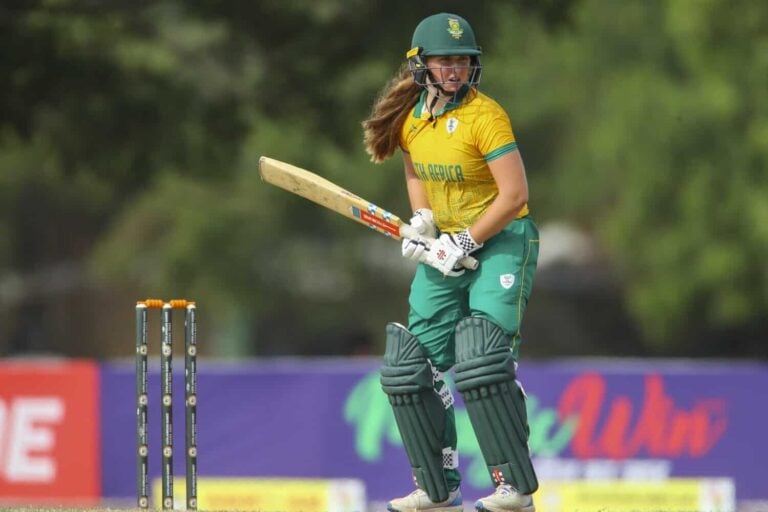
Miané Smit Hits Maiden T20 Century as South Africa Lead Zimbabwe Series 4-0
Miané Smit hit her maiden international T20 century, scoring 102 off 59 balls to power South Africa to...

Seamus Coleman Omitted From Republic of Ireland Squad
The 37-year-old defender remains without a club following his departure from Everton, choosing to sit out the international...