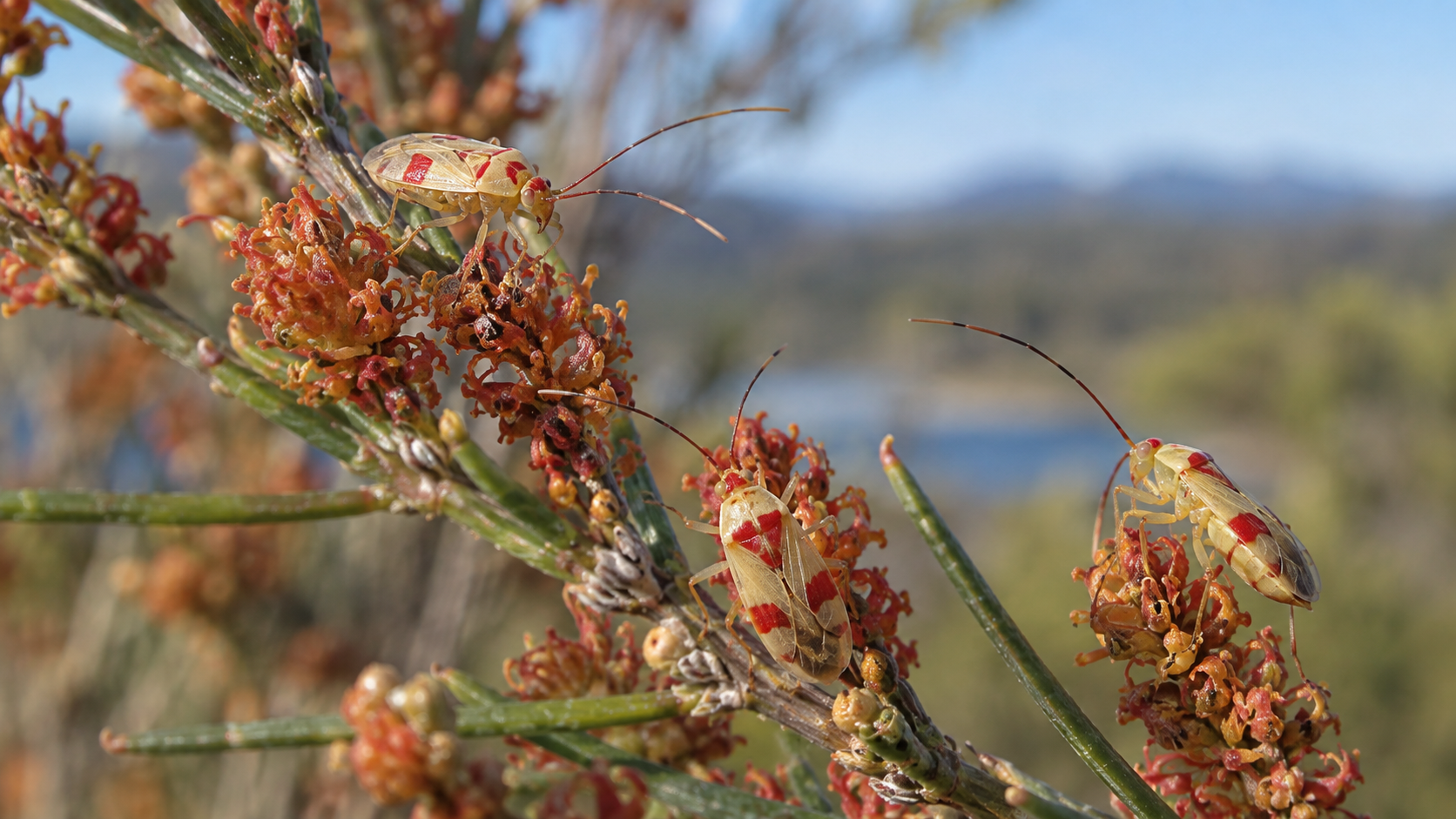
Scientists have named a newly described genus of Australian plant bugs Swiftiephylus in honor of Taylor Swift, drawing species names from the singer and three of her albums. Researchers collected the specimens between 1995 and 2004, noting that the insects’ pale yellow bodies and red markings reflect her iconic look.
A group of tiny Australian insects has officially entered its Taylor Swift era. Researchers at the University of California, Riverside have named a newly described genus of plant bugs Swiftiephylus in tribute to the Grammy-winning U.S. singer, pairing the classification with species designations inspired by her discography. The taxonomic work, published in Insect Systematics & Evolution by lead author Sarah Schroeder and co-author Christiane Weirauch, encompasses 12 new species of Australian plant bugs associated with she-oaks.
Four Species Named After Swift and Her Albums
Within the newly established genus, four specific insects carry monikers directly inspired by the musician and her work. The authors write that the insects were named after Taylor Swift, in recognition of her show-stopping talent, heart-wrenching lyrics, and the joy and comfort she has brought to many.
The species Swiftiephylus taylorae honors Swift via a Latinized version of her first name. The remaining three species—S. amator, S. intrepidus, and S. poetorum—draw their titles from references to the albums Lover, Fearless, and The Tortured Poets Department.
“I didn’t know if I would ever have the opportunity to name a species again, so I wanted to do something both meaningful to science and authentic to me,”
Sarah Schroeder
A Visual Tribute Tied to Natural Camouflage
The inspiration behind the scientific naming goes beyond musical appreciation. The physical appearance of the insects mirrors the pop star’s recognizable aesthetic.
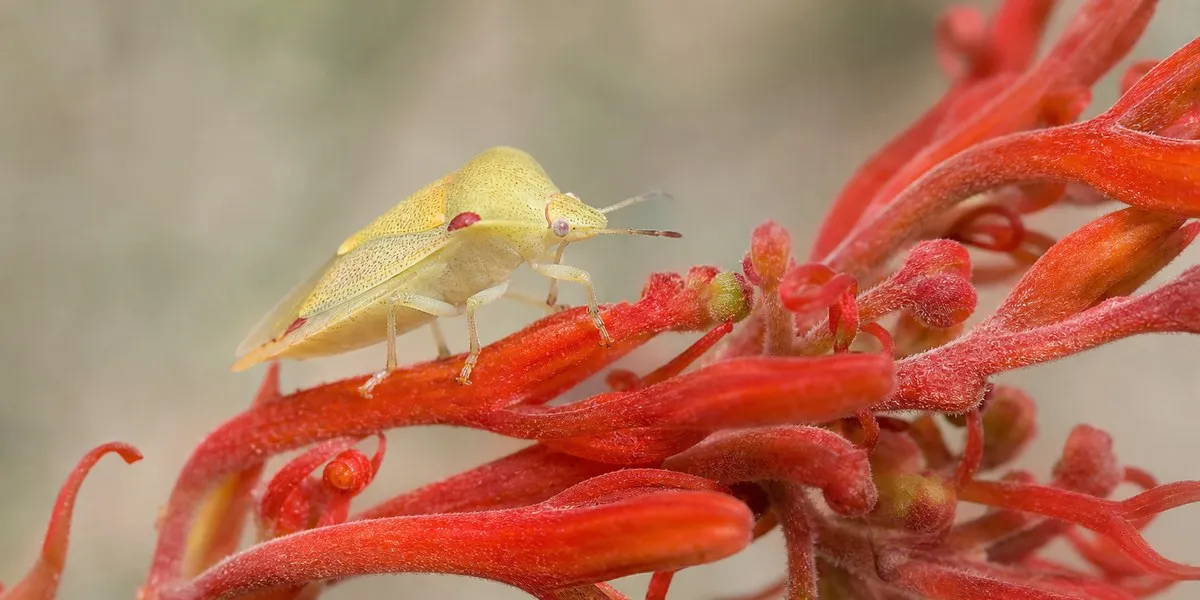
“Taylor Swift’s iconic look is her blonde hair and red lips. These insects are pale yellow with accents of red throughout,”
Sarah Schroeder, study author
Schroeder noted that in the paper she refers to them as blonde. Beyond inspiring a memorable moniker, this cream-and-red color scheme serves a functional biological purpose. The plant bugs inhabit Australian trees and shrubs in the plant family Casuarinaceae, known commonly as she-oaks, which can produce red or orange reproductive structures against pale or greenish stems. Similar cream-and-red coloration occurs in several unrelated groups of plant bugs living on these plants. Researchers believe the pale yellow and red markings act as camouflage, allowing the tiny insects to blend into their host plants and potentially avoid predators.
Museum Collections and the Miridae Family
The discovery underscores the hidden biodiversity still waiting to be uncovered inside long-established institutional archives. The physical specimens that enabled the formal description were collected between 1995 and 2004 and remained largely unstudied in museum collections for years before being borrowed to be formally described.

Taxonomically, Swiftiephylus belongs to the Miridae family, recognized as the world’s largest family of true bugs with more than 11,000 described species worldwide. While they feed on Australian trees and shrubs, these plant bugs are relatively harmless to their host plants and aren’t known agricultural pests.
Why Celebrity Taxonomies Matter for Conservation
Akito Kawahara, director of the McGuire Center for Lepidoptera and Biodiversity in Florida, U.S., has written about the taxonomic use of naming insects after celebrities, which he thinks is generally good for science, especially for insects which often don’t get much attention.
“Currently many insects are disappearing and potentially going extinct. The naming for celebrities helps generate more attention to them, and their importance to the environment and in many cases, to humankind,”
Akito Kawahara, director of the McGuire Center for Lepidoptera and Biodiversity in Florida, U.S.
Related reading
NASA Images Crater Formed by SpaceX Falcon 9 Rocket Crash on the Moon
A NASA spacecraft circling the Moon has captured the sharpest views yet of a fresh crater carved by...
NASA Discovers McGetchin, Largest Newly Formed Lunar Crater
NASA’s Lunar Reconnaissance Orbiter has discovered McGetchin, the largest newly formed lunar crater ever found in the solar...

Study Links Climate Breakdown to Deadly Langtang Lirung Glacier Collapse
Human-induced climate change contributed significantly to the catastrophic glacier collapse and subsequent flash floods on the Nepal-Tibet border,...

NASA Discovers Massive McGetchin Crater on Moon Formed in 2024
NASA researcher Robert Wagner has discovered a massive, 730-foot-wide lunar crater named McGetchin.