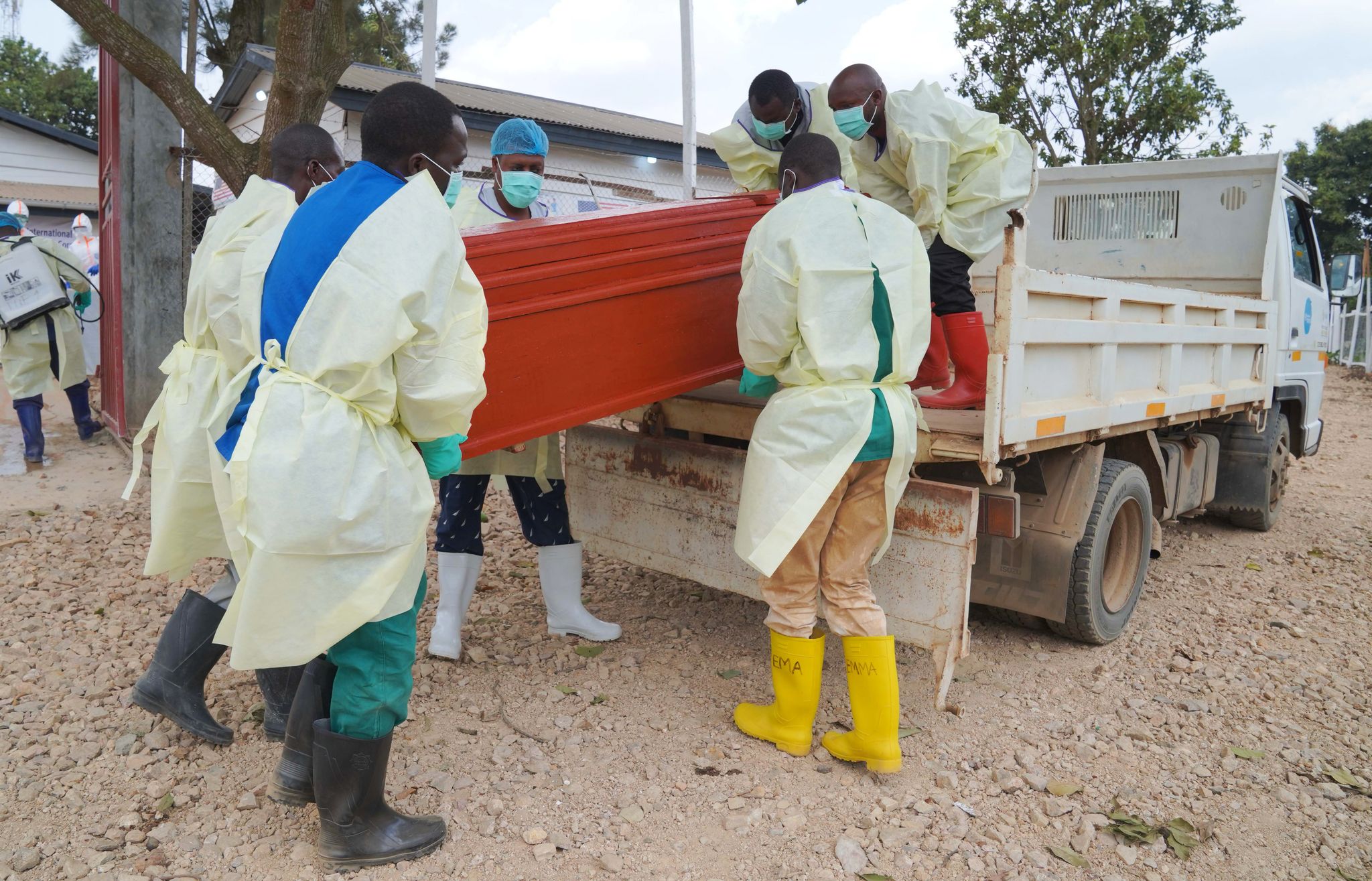
Congo launched Ebola vaccinations in Bunia on Saturday for healthcare staff and frontline workers in the deadliest outbreak in the country’s history. Health authorities are prioritizing the Ervebo vaccine under a new clinical trial to study its effectiveness against the Bundibugyo virus.
Vaccination Campaign Begins in Bunia as Outbreak Surges
Congo began vaccinating healthcare workers on Saturday in Bunia, the epicenter of the fastest-growing outbreak of the disease in history. Health authorities are prioritizing front-line staff because they are particularly exposed and deeply involved in the response.
The rollout targets the Bunia and Mongbwalu zones in Ituri province, which rank among the areas hardest-hit by the virus. Gen. Gaby Kasongo Mulumba said Saturday that protecting life remains a collective duty during the ongoing crisis.
“Our collective duty is to protect life. Launching this vaccination drive for front-line staff in Ituri is not an arbitrary choice, as these workers are particularly exposed and deeply involved in the response.”
Saturday. Both
A Race Against Time and the Bundibugyo Strain
The current outbreak has recorded 7,541 confirmed cases, including 3,639 deaths, bringing the overall case fatality rate to 48.3 percent. A total of 1,823 patients have recovered from the virus.
The World Health Organization has warned that the outbreak remains out of control, fueled by severe insecurity, population displacement, a health workers’ strike, and intense population movements. Spreading across 62 health zones in seven provinces, the disease continues to affect Haut-Uele, Ituri, North Kivu, South Kivu, Bas-Uele, Tshopo, and South-Ubangi.
The BRAVO Study and the Ervebo Vaccine Strategy
Medical charity Doctors Without Borders (MSF), working alongside Congolese health authorities and the Africa Centers for Disease Control and Prevention, launched the BRAVO vaccination study on Saturday at the World Health Organization-run training center for health workers in Bunia. The study will run for nine to 12 months, consisting of three months of vaccination and at least six months of participant follow-up.
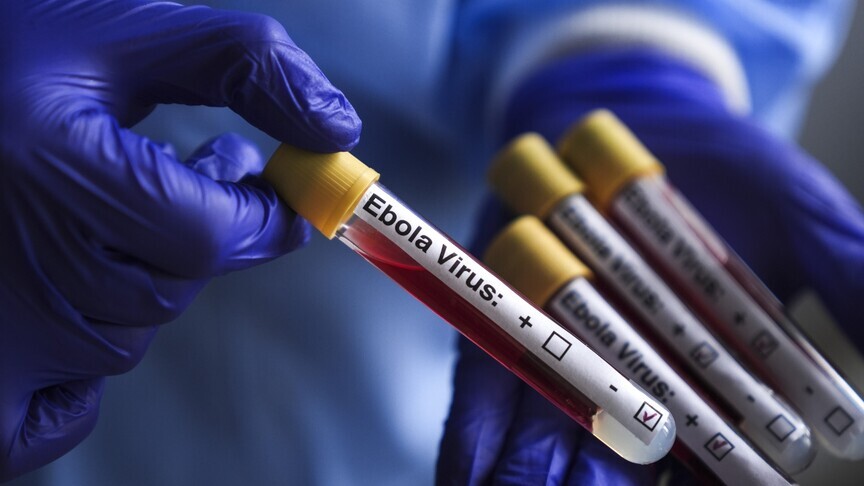
The international vaccine provision group approved an initial allocation of 70,000 doses of the Ervebo vaccine for the country in August. Of that total, 50,000 doses are designated for health and frontline workers, while 20,000 doses are assigned to the Phase 3 clinical trial.
Ervebo is licensed for use against the Zaire ebolavirus strain from past outbreaks. However, the current epidemic is driven by the Bundibugyo virus, which currently has no specific approved vaccine or treatment. While preliminary data suggest Ervebo may offer cross-protection, researchers are studying its exact effectiveness.
Logistics and Health Worker Perspectives on the Rollout
Prior to the Ituri launch, authorities had vaccinated 3,771 people as of September 17, including 3,063 in Tshopo Province and 708 in Bas-Uele Province. The broader campaign across Ituri and North Kivu aims to cover 20,000 frontline workers over a period of six to nine months.
Frontline personnel expressed a mix of acceptance and uncertainty regarding repeat immunizations. Dr. Jeannot Elua noted that healthcare staff have little choice given their exposure risks, while Dr. Jean Paul Uzele questioned whether a second vaccination is necessary after previously receiving Ervebo during the 10th Ebola outbreak.
Next Steps and Safety Precautions in the Field
Health organizations stress that participation in the BRAVO study is entirely voluntary, and vaccination serves as an additional protective measure rather than a replacement for standard infection control. Medical teams emphasize that frontline personnel must continue utilizing personal protective equipment, follow safe-care procedures, and report symptoms immediately.
While officials continue monitoring declining patient admissions and slower transmission rates in certain areas, MSF teams observe that cases continue to emerge in underprepared regions where basic response measures remain missing.
Related reading

UK Government Urges Everyone to Take Daily Vitamin D Pill from October 1
People across the UK have been urged by the Government to begin taking a daily vitamin D supplement...

Chronic Stress And Inflammation Cause Silent Structural Heart Damage
A major UK study of nearly 480,000 adults reveals that chronic stress and long-term inflammation cause silent, lasting...
Max Planck Institute Unveils New Tools to Identify Pathogenic Variants
Researchers at the Max Planck Institute for Molecular Genetics have unveiled new bioinformatics tools called Dicast and TandemTwister...
Stanford Researchers Transplant Human Brain Organoids Into Mice
Stanford Medicine researchers have successfully transplanted lab-grown human cortical organoids into bioengineered mice missing most of their cerebral...