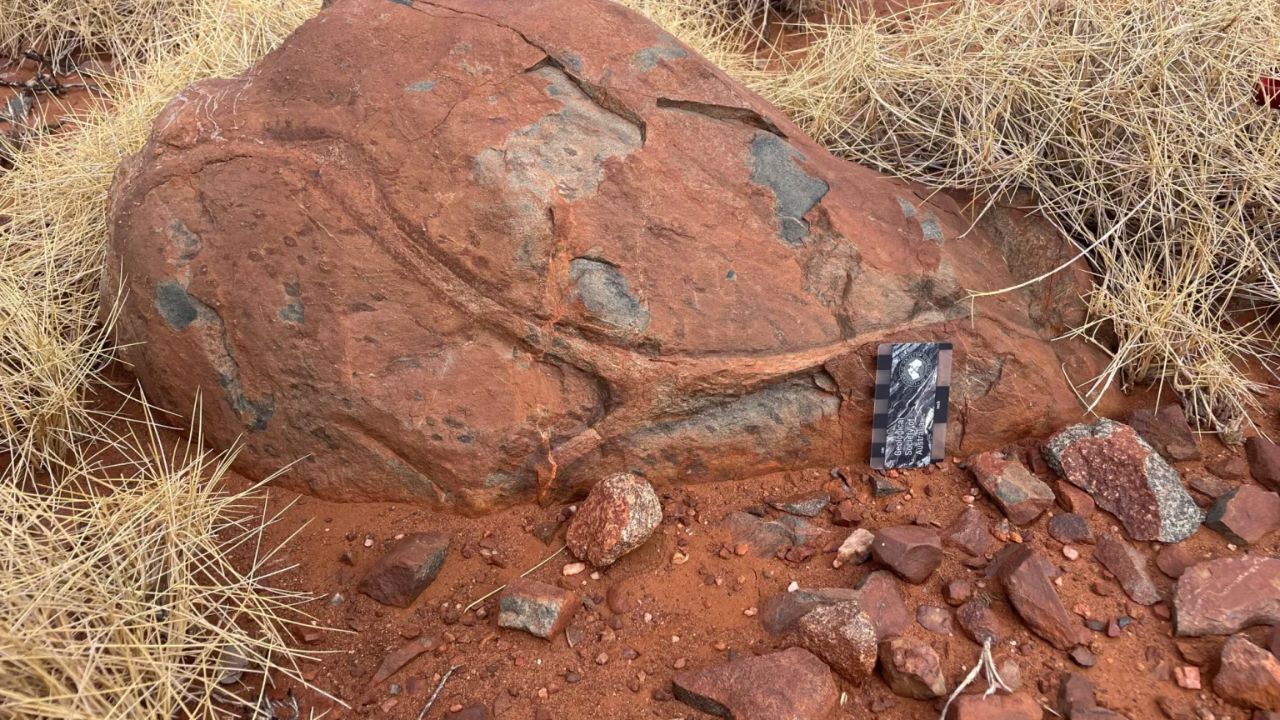
Geologists examining ancient volcanic formations in Western Australia have discovered evidence that water was influencing Earth’s interior and driving volcanic activity more than three billion years ago. The international research team was led by Adelaide University geochemist Dr. Eric Vandenburg, with the findings published in Nature Communications. The study indicates that the young planet was already recycling water between its surface and deep interior long before modern plate tectonics became established.
Ancient Pilbara Rocks Reveal Deep Water Cycle 3.1 Billion Years Ago
Understanding Earth’s first few billion years is challenging because most rocks from that era have been altered, destroyed, or recycled by geological processes. However, the Pilbara Craton in Western Australia preserves ancient rocks in relatively good condition. Researchers analyzed a 10-kilometre-thick chemostratigraphic succession within the Whundo sequence, which is dated to between roughly 3.13 and 3.10 billion years ago and covers a single volcanic package of about 114 square kilometres.
Boninites and the Whundo Sequence Chemistry
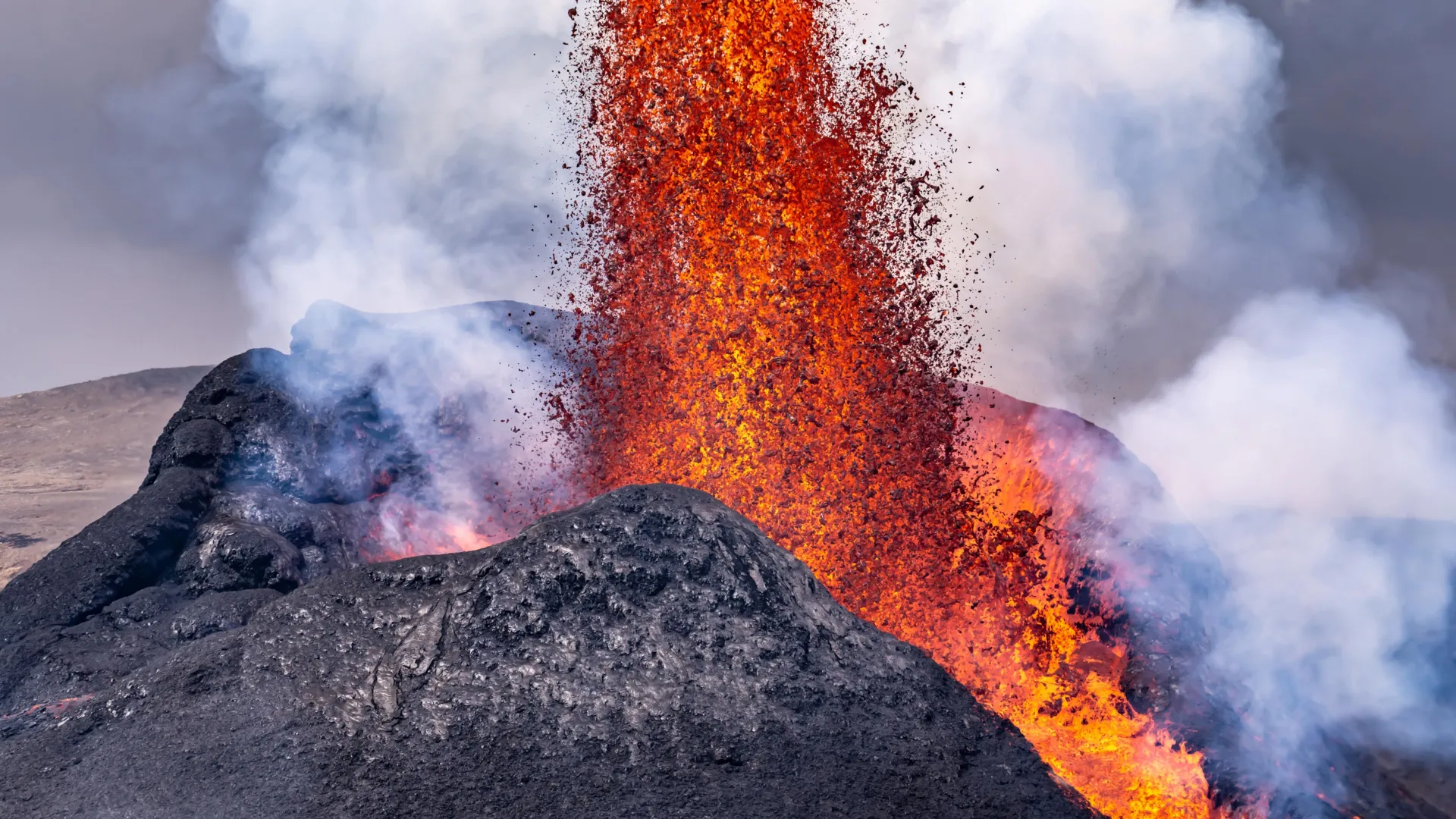
The Whundo sequence records three primitive lava series typical of modern arc volcanoes: tholeiitic, calc-alkaline, and boninitic. The boninites are the most revealing, representing the oldest stratigraphically extensive genuine boninites known. Boninite is a rare, water-rich, magnesium-heavy lava that today erupts almost exclusively where one tectonic plate grinds down beneath another, such as around the Pacific “Ring of Fire.”
Water acts on mantle rock much like salt on icy streets, dropping the melting point and lowering the temperature at which melting begins. Using high-resolution major and trace element data, the team estimated that the mantle feeding the Whundo boninites held between 0.8 and 1.5 percent water by weight. In comparison, primitive mantle sits near 0.11 percent and depleted mantle near 0.01 percent, while present-day arc volcano mantle holds between 0.1 and 2 percent. Furthermore, mass-balance calculations indicated that fluids released by foundering crust supplied as much as 93 percent of certain trace elements in the mantle source.
The Proposed “Dripduction” Mechanism
Today, plate tectonics moves water through subduction zones where one tectonic plate sinks beneath another, carrying ocean water down toward the mantle to generate magma. However, the early Earth was too hot for rigid plates to behave that way, and conventional subduction was likely not available.
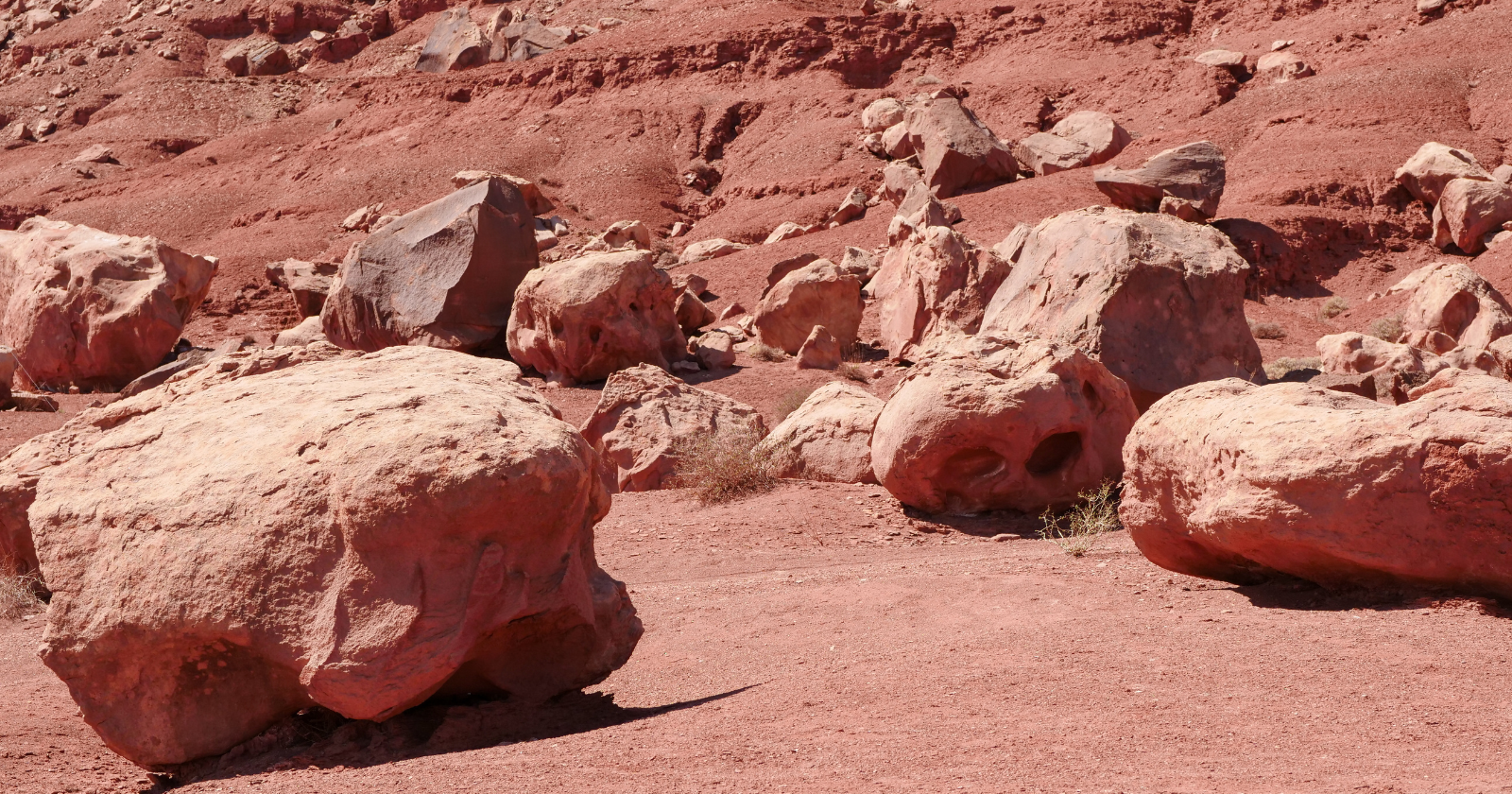
To explain how seawater reached the mantle without continuous plate boundaries or a global conveyor belt, the researchers proposed a mechanism called “dripduction.” In this process, heavy, dense, waterlogged slabs of cool crust sagged, stretched, and dropped into the hotter mantle in localized bursts rather than sliding down as coherent plates. Each descending drip released bound seawater into the surrounding mantle, triggering the partial melting that produced arc-like magmas.
Context and Ongoing Debate in Geology
The discovery addresses a major question regarding when materials first began moving between Earth’s surface and deep interior, a recycling process that affects volcanic activity, continent growth, and ingredients important for life. Dr. Vandenburg noted that while the early Earth did not operate exactly as it does now, key processes were already in place.
The findings join other recent, complex studies examining the Archean eon, the stretch running from roughly four to 2.5 billion years ago. For instance, experiments on 3.5-billion-year-old Pilbara rocks have suggested continental crust could have grown in shallow settings, while University of Wisconsin-Madison researchers reported in Nature earlier in 2026 that zircon chemistry from the Jack Hills is consistent with subduction and extensive crust more than four billion years ago. The researchers acknowledge that arc-like volcanism from the Archean remains disputed, and the field continues to debate the exact timing and mechanisms of early Earth dynamics.
Keep reading

NASA’s Roman Space Telescope Captures First Starlight Test Image
NASA’s Nancy Grace Roman Space Telescope has activated its 300-megapixel Wide Field Instrument and captured its first starlight...
NASA Researchers Identify Largest Newly Formed Impact Crater in Solar System
What began as a routine data-quality check on a computer screen ended with the identification of a record-breaking...
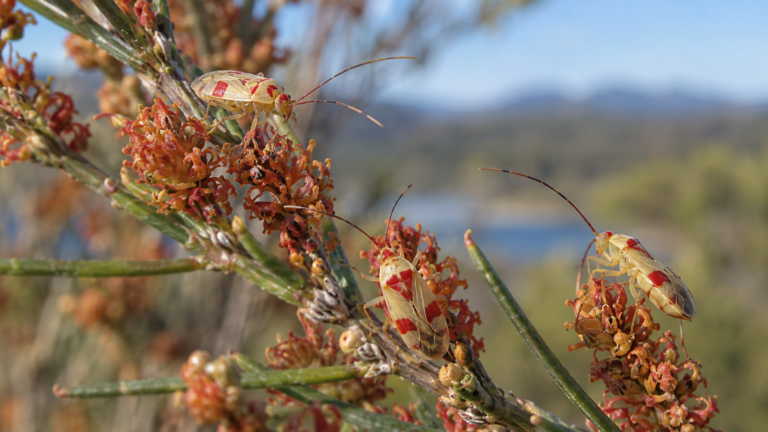
Scientists Name New Genus of Australian Plant Bugs After Taylor Swift
Scientists have named a newly described genus of Australian plant bugs Swiftiephylus in honor of Taylor Swift, drawing...
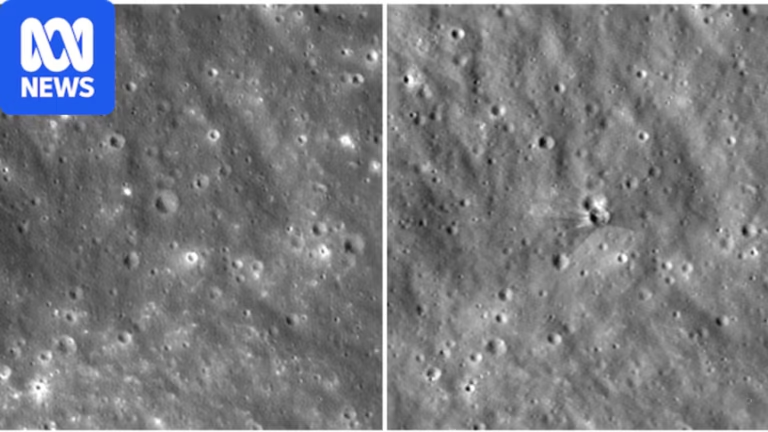
NASA Images Crater Formed by SpaceX Falcon 9 Rocket Crash on the Moon
A NASA spacecraft circling the Moon has captured the sharpest views yet of a fresh crater carved by...