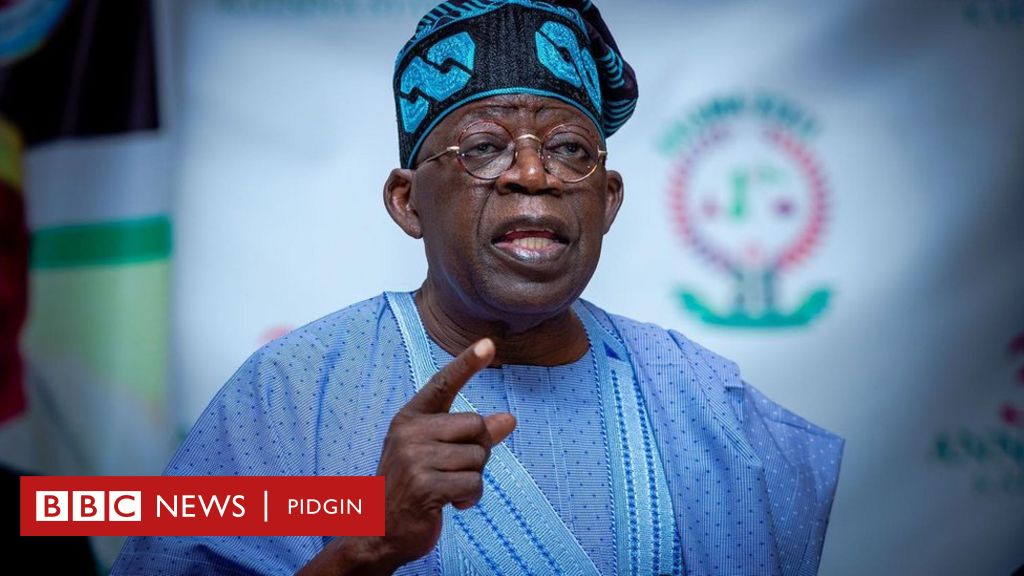
President Bola Tinubu has directed state governors to accelerate compressed natural gas and electric mass transit systems to lower public transport fares by October 1, 2026. Speaking amid global energy price pressures, Tinubu ruled out returning to petrol subsidies and highlighted existing state programs already reducing commuter costs.
The October 1 Implementation Deadline
President Bola Tinubu has instructed the 36 state governors to ensure that commuters across the country see measurable reductions in transportation costs starting October 1, 2026. The directive follows a meeting between the President and the governors held on August 27, where both levels of government agreed on the transit rollout under the National Affordable Compressed Natural Gas Transit Programme.
According to reporting issued by the president’s office, an implementation committee operates under the auspices of the Nigeria Governors’ Forum. Kwara State Governor AbdulRahman AbdulRazaq chairs the committee, which coordinates alongside the Presidential Initiative on Compressed Natural Gas and Electric Vehicles, state governments, and transport stakeholders to identify priority travel corridors.
Rejecting Petrol Subsidies Amid Global Energy Strain
The administration’s push for alternative-energy transport comes as renewed international supply disruptions drive up diesel and petrol prices worldwide.

At a time like this, our answer cannot be to return to the ruinous petrol subsidy regime that consumed trillions of naira and left our economy exposed to every movement in international oil prices, as some have suggested.
President Bola Ahmed Tinubu, via The Nation Newspaper
Tinubu argued that while domestic markets cannot dictate global energy trends, a gas-rich nation can actively insulate itself by expanding local infrastructure.
Existing State Programs and Slashed Commuter Fares
Federal officials point to active state-level transport initiatives as proof that alternative-energy fleets can provide immediate relief. In Borno State, combined compressed natural gas and electric transit services charge between ₦50 and ₦100 on routes where commercial operators bill between ₦300 and ₦600. In Kaduna State, a fleet of 100 compressed natural gas buses provided free rides on major routes during their first operational year, carrying roughly 3.2 million passengers and saving commuters over ₦3.5 billion.

Oyo State deployed alternative-energy buses via Pacesetter Transport, lowering the Lagos-Ibadan fare from approximately ₦8,000 to ₦3,200 during initial rollouts. Adamawa State reported fare cuts of up to 50 percent on specific corridors, dropping from ₦8,000 to ₦4,000. Enugu State introduced 100 compressed natural gas buses that reduced the Enugu-Nsukka journey from ₦2,500 to ₦1,500. Plateau State-supported buses carry about 13,000 commuters daily for ₦200, compared with commercial rates exceeding ₦500.
Additional state rollouts include Niger State passengers utilizing the Suleja-Abuja service paying ₦550 instead of about ₦800. Meanwhile, Abia State deployed 40 electric buses supported by a 50 percent fare subsidy.
Federal Partnership with Transport Unions in Abuja
Federal programs extend directly into the capital through collaboration with transport unions. Through an arrangement with the National Union of Road Transport Workers, passengers traveling on converted commercial vehicles across selected Abuja commuter corridors receive a 40 percent fare reduction.
On the Area 1 to Gwagwalada route, fares dropped from ₦1,500 to ₦900. Nyanya commuters saw prices fall from ₦700 to ₦420, while Wuse fares decreased from ₦400 to ₦240.
Ecosystem Growth and National Infrastructure Targets
Federal investment over the past three years has built out domestic conversion and supply frameworks. According to the administration’s figures, more than 120,000 vehicles have been converted nationwide, supported by over 400 certified conversion centers and more than 90 refueling stations.
Governors and commercial operators face a looming October 1 deadline to expand these fleets and ensure that wholesale energy savings translate into reduced passenger fares on the ground.
Keep reading
Teenager Faces Charges After Driving Stolen Car Wrong Way on M50
Two teenagers were arrested in Dublin following a high-speed pursuit on Thursday evening.

India’s Cheetah Population Rises to 52 After Four Years of Project Cheetah
India’s cheetah population has risen to 52 four years after the launch of Project Cheetah, marking the world’s...
Netherlands to Close Embassy in Harare as Part of Global Restructuring
The Netherlands announced plans to close its embassy in Harare as part of a broader restructuring of its...
Manitoba Adopts Permanent Daylight Saving Time After Public Survey
Manitoba is officially ending twice-yearly clock changes after nearly 72,000 survey respondents overwhelmingly backed permanent daylight saving time,...