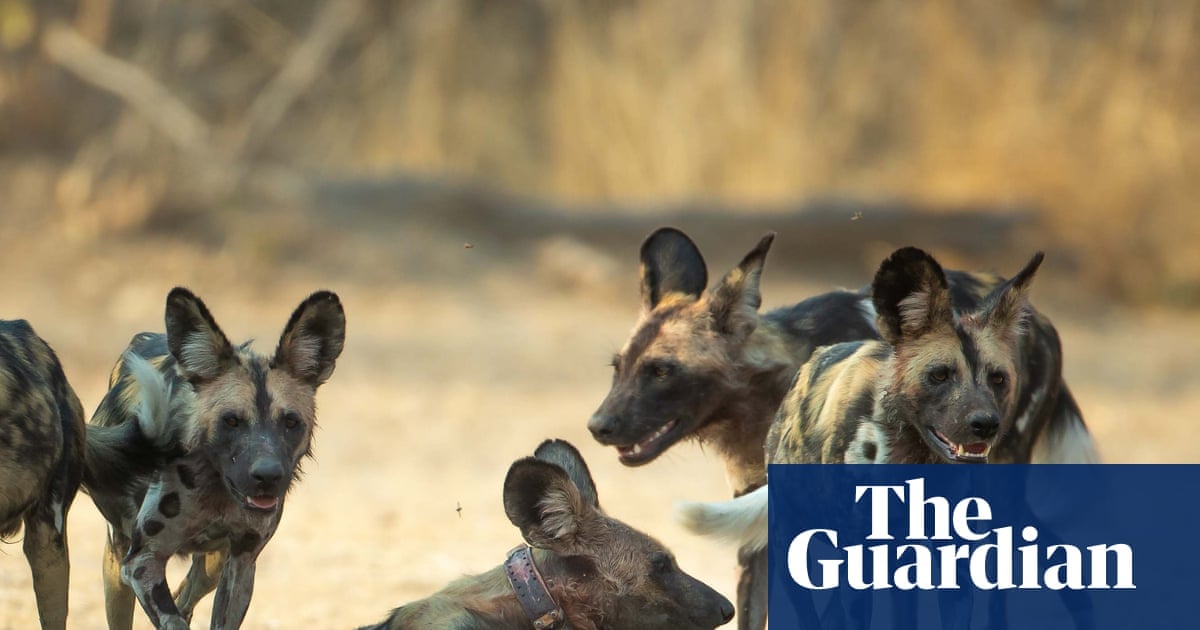
Three male African wild dogs have set a record for the longest-ever recorded single journey by any African land mammal, roaming more than 2,500 miles (approximately 4,000 kilometers) over the course of nine months. According to The Guardian, the three brothers started their journey in Kafue National Park in western Zambia and traveled to their final destination in the Luangwa valley in the east. From point to point, the brothers covered 340 miles (546km) in a straight line, but zigzagged nearly 10 times that distance overall while navigating a landscape shaped by people.
African Wild Dogs Complete Record-Breaking Trek Across Zambia
Researchers tracking the animals with GPS collars documented the dispersal—a one-way journey undertaken in search of a mate—published in the journal Ecology
. Because related dogs do not form new family packs, individuals must travel long distances to find prospective mates. The previous record for such a movement was 2,418 miles, set in 2012 by African wild dogs moving between Loliondo in northern Tanzania’s Ngorongoro district and Tsavo West National Park in southern Kenya, as reported by The Guardian.
Navigating Human-Dominated Landscapes and Major Obstacles
During their trek, the brothers successfully bypassed major human obstacles, including Zambia’s capital, Lusaka, major cities, and heavily developed industrial areas. They navigated through a broken-up landscape marked by bushmeat snares, cars, and human hostility. Dr. Matt Becker, chief executive of the Zambian Carnivore Programme (ZCP), noted that these journeys demonstrate that natural connections between Africa’s wildlife strongholds still exist, though they have become increasingly difficult and dangerous.
Scott Creel of Montana State University stated that the study provides cautious optimism, suggesting that every major wild dog population in eastern and southern Africa, outside of fenced areas, is potentially connected. Similarly, The Namibian noted that the findings indicate wild dog populations across the region remain more connected than conservationists previously believed.
The Grave Dangers of Snares and Fragmented Habitats
While the three male wild dogs successfully completed their journey, other members of their cohort faced fatal hazards. A group of sisters traveling through Zambia’s copper-belt mining region met a less successful fate. Two of the sisters died, likely caught in wire snares near the city of Kabwe, according to tracking data cited by Newser. Before their deaths, the brothers and sisters had a touching final encounter, spending a day together two months into their journey before separating again.

African wild dogs are classified as endangered on the International Union for Conservation of Nature’s red list, with only about 6,000 to 6,600 adults remaining across 39 distinct populations. Habitat loss, declining natural prey, human conflict, and bushmeat hunters’ snares represent the greatest threats to their survival.
Conservation Calls for Connected Corridors
The study’s findings have added weight to calls for creating strips of natural land outside protected areas to connect wildlife zones separated by roads, towns, and farms. Bruce Ellender, Kafue Conservation director for The Nature Conservancy and a co-author of the paper, emphasized that protected areas cannot function as isolated islands over the long term. Instead, conservationists must think more broadly about connected landscapes to protect wide-ranging species like wild dogs and elephants.
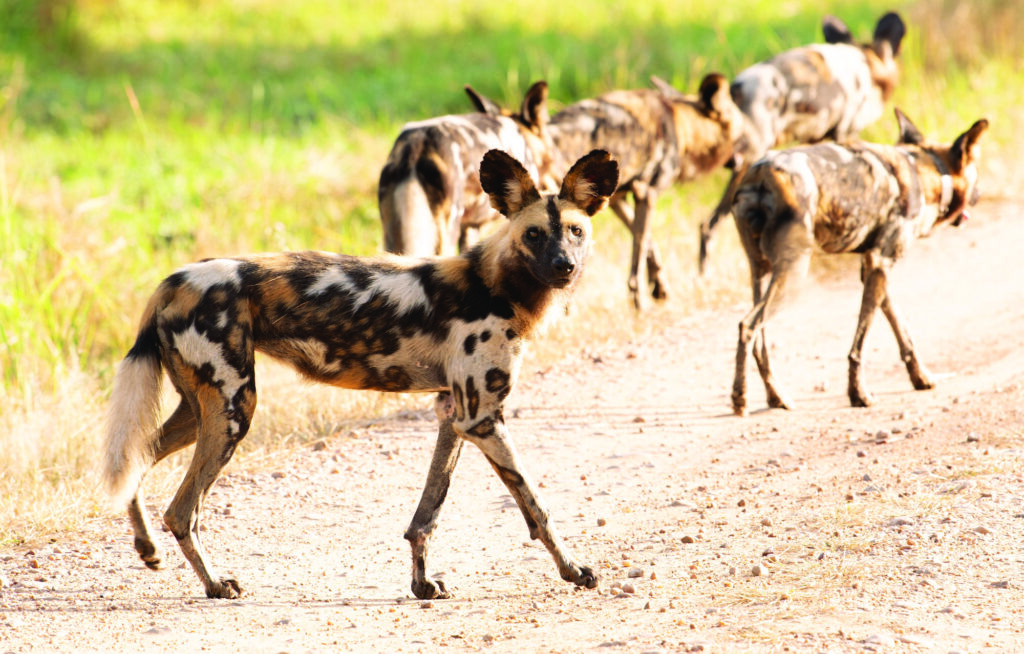
Dr. Nyambe Nyambe emphasized the importance of regional protection, stating that if these connections spanning national parks, community areas, nations, and regions are conserved and improved, species like wild dogs can successfully navigate the rest.
Keep reading
- Edwin Sifuna Draws Scrutiny After High-Level Diplomatic Meetings in Nairobi
- Yemeni Army Reports 13 Soldiers Killed in Fighting With Houthi Forces
- Texas TV News Shakeup: Veteran Retirements and New Faces Across Major Markets (archyde.com)
- Dangote Petroleum Refinery launches record IPO to test African capital markets (newsarchyuk.com)

Edwin Sifuna Draws Scrutiny After High-Level Diplomatic Meetings in Nairobi
Nairobi Senator Edwin Sifuna is drawing intense political scrutiny ahead of the 2027 General Election.
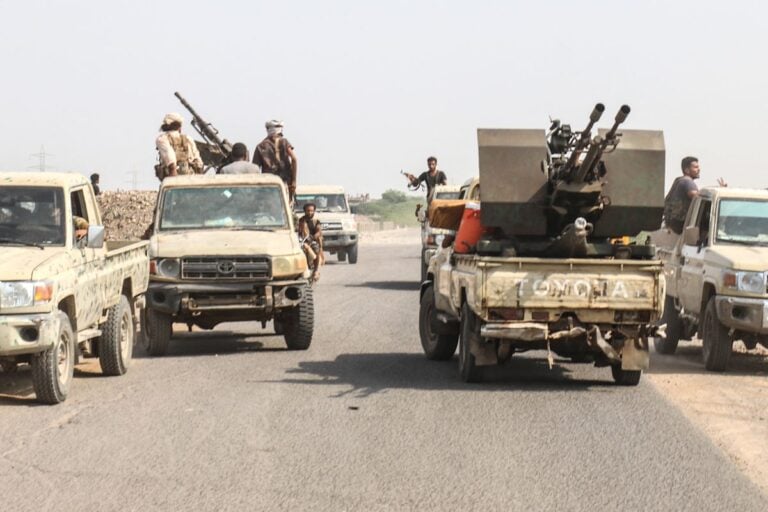
Yemeni Army Reports 13 Soldiers Killed in Fighting With Houthi Forces
Thirteen Yemeni soldiers died in two days of fierce clashes with Houthi forces across Taiz and Lahj, the...
Macklemore Pledges $1 Million in Tour Earnings to Palestinian Relief Groups
Following his removal from Ed Sheeran’s tour over pro-Palestinian remarks at MetLife Stadium, rapper Macklemore has pledged his...

Trump Defends Russian Oligarch Funding Donald Trump Jr.’s Bahamas Wedding
President Donald Trump defended wedding festivities funded for his son Donald Trump Jr. in the Bahamas, stating that...