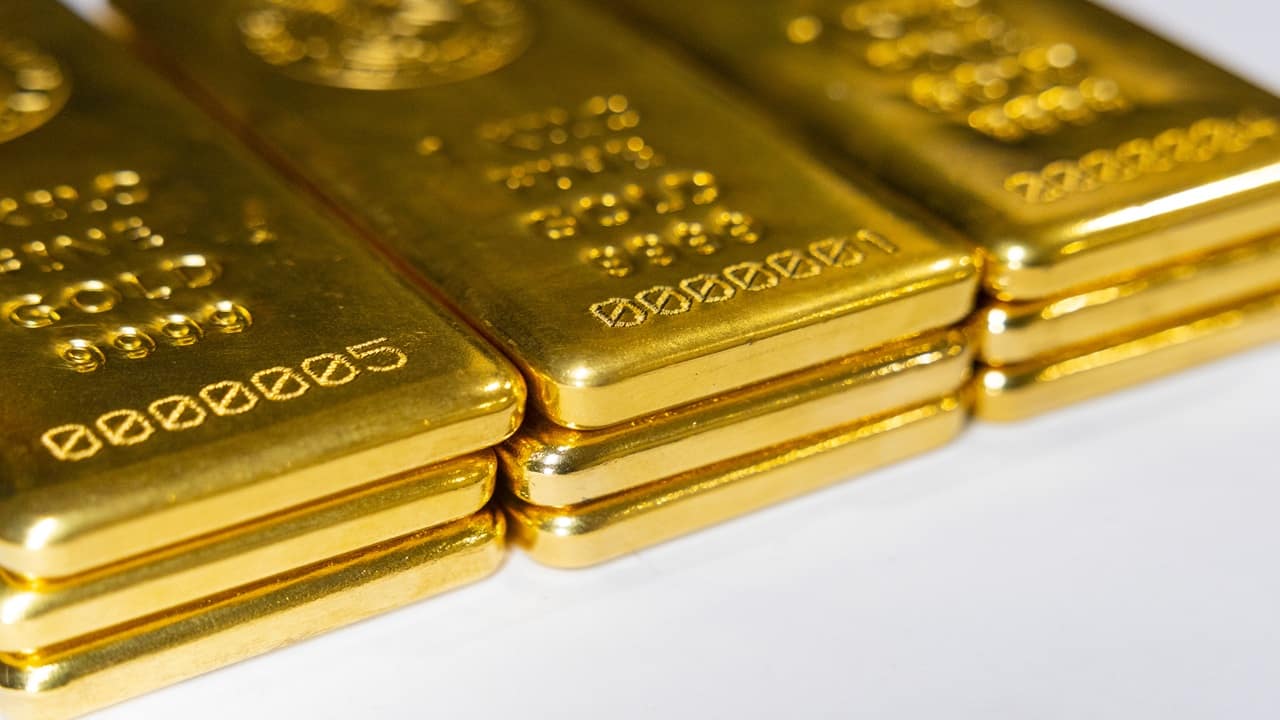
Gold and silver prices retreated globally, pressured by a strengthening U.S. dollar, surging crude oil prices, and rising market expectations that the Federal Reserve will raise interest rates following hot inflation data.
Inflation Pressures and Federal Reserve Rate Hike Expectations
Gold prices extended a downward trend, trading near $4,340 an ounce after suffering a third weekly decline. Underlying inflation accelerated as the core consumer price index, which excludes volatile food and energy costs, rose 0.3% from the previous month, as data released Friday showed. This hotter-than-expected price data intensified pressure on the Federal Reserve to implement its first interest rate increase in three years during its policy meeting.
Market participants increasingly aligned around a tighter monetary policy stance. According to the CME FedWatch Tool, traders priced in about an 89 per cent chance of a rate hike at the central bank’s policy meeting this week, up from about 67 per cent prior to the inflation data last week. Major banks such as Goldman Sachs and HSBC now expect the Fed to raise interest rates by 25-basis-points at its policy meeting on Tuesday and Wednesday.
“Markets are now fully pricing in a Fed rate hike following last week’s CPI data. At the same time, the renewed rise in oil prices could reinforce inflation concerns and keep the Fed on a hawkish footing,” said UBS analyst Giovanni Staunovo.
Higher borrowing costs inherently diminish the attractiveness of non-yielding bullion. Spot gold was down 0.9 per cent at $4,308.24 per ounce by 0907 GMT, after posting a third straight weekly decline on Friday, while US gold futures dropped 1.4 per cent to $4,348.50. Meanwhile, underlying inflation data released Friday showed broad consumer price acceleration, and bullion was trading near $4,340 an ounce, after falling for a third week.
Crude Oil Spikes and Middle East Tensions
Energy markets added fuel to the inflationary fire. Oil prices rose about 3 per cent on Monday, after new strikes on Saudi Arabian energy and civilian infrastructure and Iranian attacks on ships in the Gulf compounded supply concerns following the closure of a key Saudi oil pipeline.
Diplomatic efforts stumbled as Middle East diplomacy appeared to falter heading into Monday with the postponement of a meeting between Iran and several Gulf powers to create a temporary shipping lane through the Strait of Hormuz, leaving efforts to increase shipments through the critical waterway in limbo. Brent rose toward $107 a barrel, after rallying almost 9% last week. This energy surge reinforced expectations that central banks will maintain hawkish monetary policies to combat stubborn price pressures.
Precious Metals and Currency Market Repercussions
The strengthening U.S. dollar compounded headwinds for precious metals by making greenback-priced bullion more expensive for holders of other currencies, as the dollar firmed at an over one-week high. The Bloomberg Dollar Spot Index, a gauge of the US currency, was marginally higher.
Spot silver slid 1.9% to $63.22 per ounce, with separate sessions noting deeper drops as silver fell 4% to $64.53 an ounce. Platinum dipped 1.4% to $1,770.82, while palladium also fell 1.4% to $1,280.97, reflecting broader liquidation across industrial and precious metal sectors.
Despite immediate downward pressure, analysts noted that structural macroeconomic drivers continued to support bullion over a longer horizon. Standard Chartered Plc analysts see gold prices recovering in the coming months as the focus shifts to potential de-dollarization and government interventions in the bond market. Renisha Chainani, chief research officer at Mumbai-based bullion trader Augmont Enterprises Ltd., observed that bullion’s resilience reflects deep-seated unease regarding U.S. fiscal deficits and debt accumulation.
“The metal’s strength reflects a deeper unease building around US fiscal pressures, which continue to chip away at confidence in the long-term value of government debt — and, by extension, the currency used to finance it,” said Renisha Chainani, chief research officer at Mumbai-based bullion trader Augmont Enterprises Ltd.
Trading Range and Near-Term Outlook
Market strategists maintained that while an imminent rate increase could provoke near-term volatility, the broader structural support for precious metals remains intact. UBS Group AG strategist Joni Teves wrote in a note: We would expect a September hike to generate a knee-jerk correction, but not to derail the broader recovery,
adding that A hold would likely deliver a stronger upside response.

Gold has stayed largely in a range either side of $4,400 an ounce in recent weeks as traders try to gauge the outlook for Fed policy, bracing for a raft of economic reports this week that could shift sentiment, including consumer price index figures due Friday. With upcoming central bank decisions set to finalize this week, traders remain focused on incoming policy announcements and energy supply developments.

Sri Lanka Court Convicts 15 Men Over 2019 Easter Bombings
A Sri Lanka high court has convicted 15 men over their roles in the 2019 Easter Sunday terrorist...
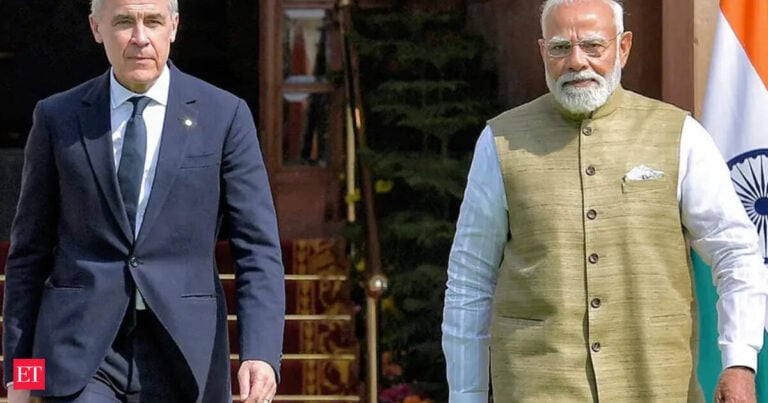
PM Modi Expected to Visit Canada in December to Finalize Trade Deal
Canadian Prime Minister Mark Carney announced on Tuesday that Indian Prime Minister Narendra Modi is expected to visit...
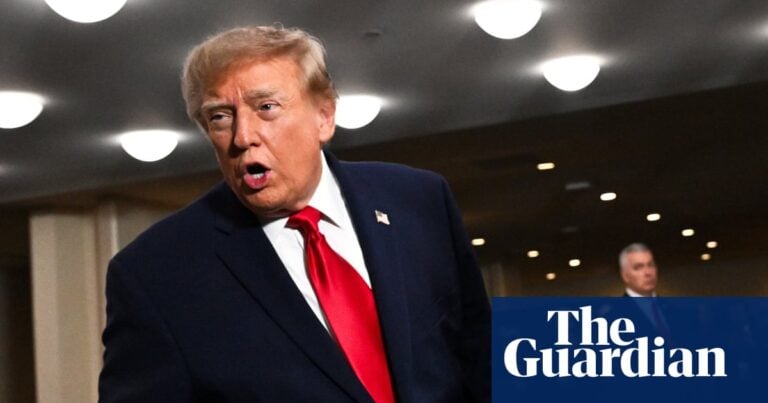
Donald Trump Made Over 1,100 Stock and Bond Trades Worth Up to $270 Million in July
President Donald Trump executed over 1,100 stock and bond transactions in July, totaling between $79 million and $270...

Kenya to Pioneer Masterkey Digital Platform for Portable Skills
President William Ruto announced that Kenya will lead the first national implementation of Masterkey, a digital platform designed...