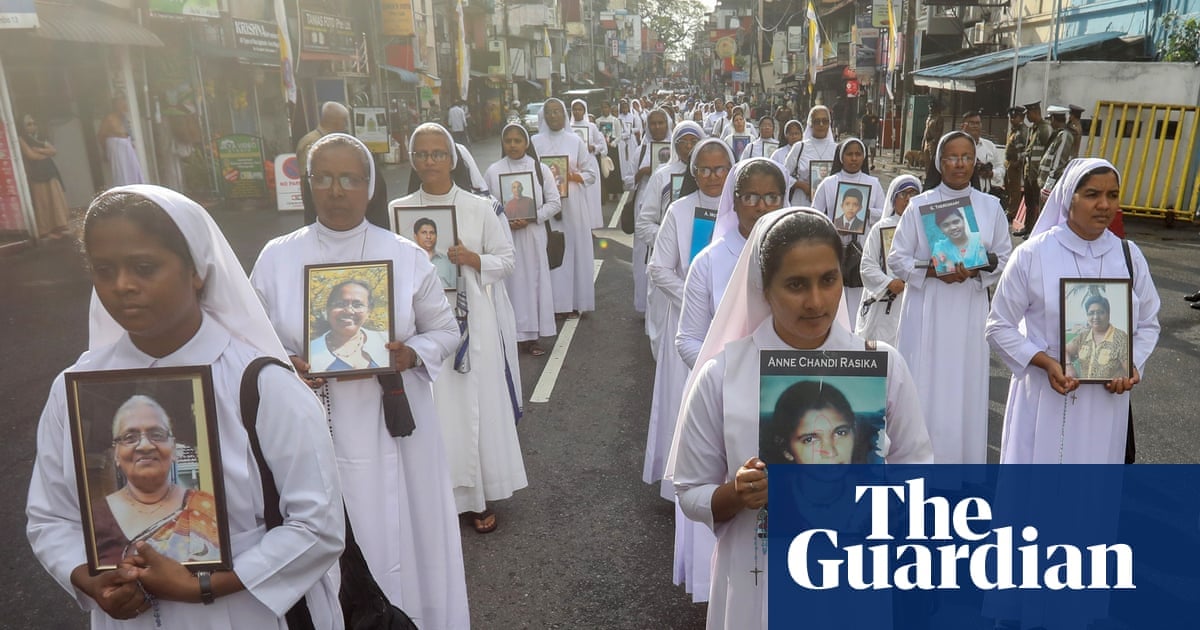
A Sri Lanka high court has convicted 15 men over their roles in the 2019 Easter Sunday terrorist attacks, sentencing each to at least 200 years in prison. The coordinated bombings targeted three churches and three luxury hotels, killing 267 people and wounding hundreds more in the deadliest violence in the nation’s history.
Nearly five years of judicial proceedings culminated in Colombo as a three-judge High Court bench delivered verdicts on Tuesday in the deadly 2019 Easter bombings. The coordinated suicide strikes hit luxury hotels and churches during holiday services across the island nation. While various news agencies place the death toll at 279—including 45 foreign nationals—court documents and official prosecutions detail an immense toll that also left nearly 6,000 wounded.
In 2021, authorities filed 23,270 charges against 25 suspects accused of planning, inspiring, or aiding the carnage. On Tuesday, the three judges cleared nine defendants after finding the charges unproven against them, while another suspect died before the case reached trial. The remaining 15 defendants—all belonging to Sri Lanka’s minority Muslim community—were found guilty of murder, conspiracy to commit terrorism, and explosives and firearms offenses under the stringent Prevention of Terrorism Act.
Individual Sentences and Courtroom Drama Under Heavy Guard
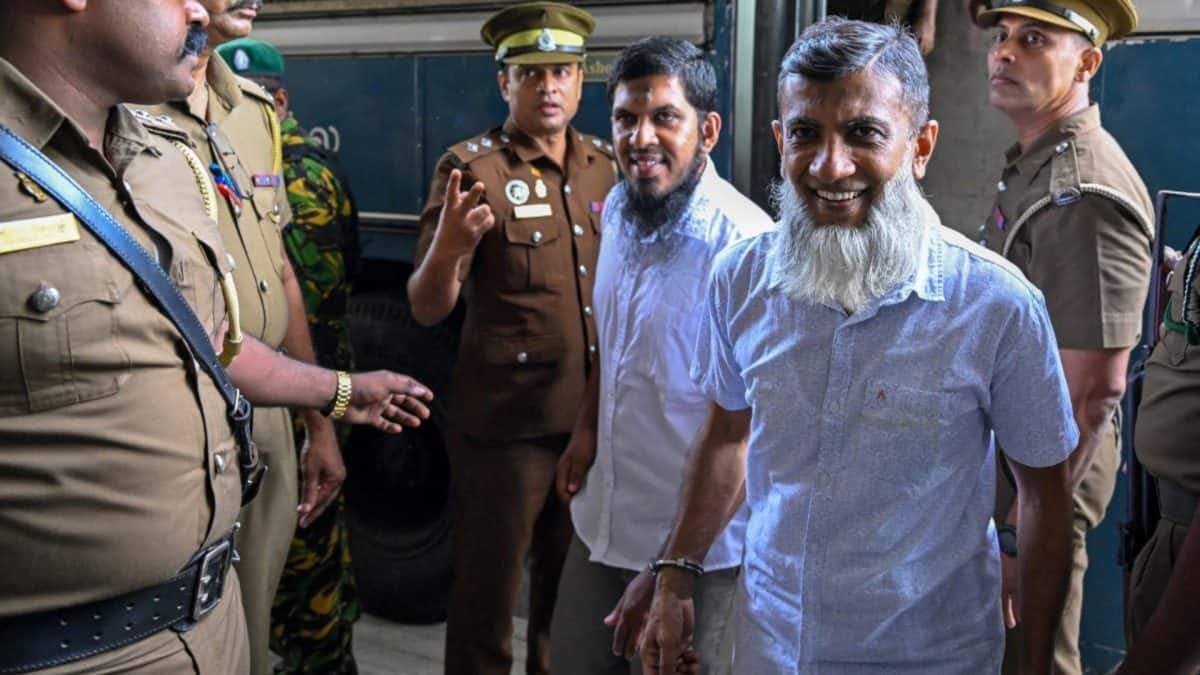
The courthouse in Colombo operated under tight security protocols, with hundreds of police officers deployed around the perimeter. Inside, the convicted men appeared relaxed, talking and laughing during recesses, and successfully requested a prayer break while the lengthy judgment was read. With none of the direct suicide bombers surviving the initial blasts, prosecutors focused their case entirely on the conspirators, recruiters, and facilitators behind the cell.
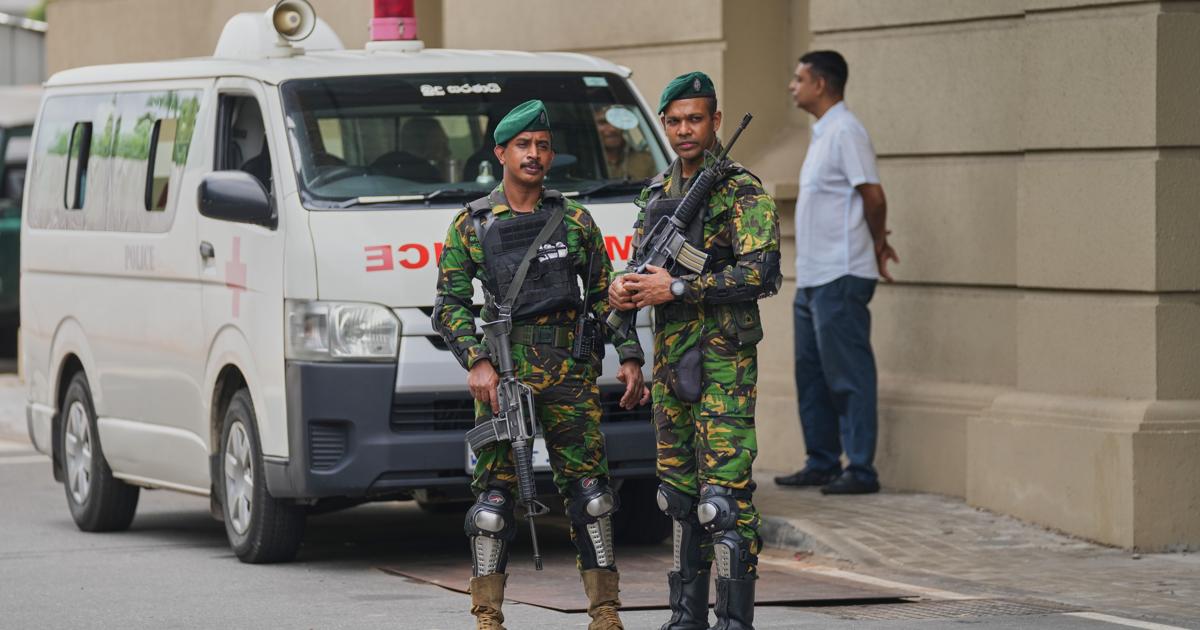
The court imposed individualized prison terms with hard labor based on the degree of participation in the seven distinct blasts—which targeted three churches, three tourist hotels, and a motel where an aborted attack ended in a premature explosion. Five defendants received 200-year sentences, five were given 220-year terms, four received 240 years each, and one defendant received 260 years in prison.
Among those convicted was the first defendant, an Islamic cleric named Mohamed Ibrahim Mohamed Naufer, whom prosecutors identified as a key ringleader who used his teachings to radicalize fellow conspirators.
Prosecution Evidence and the Islamic State Connection
Haripriya Jayasundara, who led the prosecution team, pushed for maximum penalties, arguing that the carnage was a meticulously organized conspiracy aimed at slaughtering Christian worshippers and foreign tourists. To prove intent, prosecutors introduced a video recording recovered from the conspirators. Recorded the day before the attacks, the footage showed masked attackers armed with rifles and swords pledging allegiance to then-Islamic State leader Abu Bakhr al-Baghdadi with the stated goal of establishing an Islamic nation in Sri Lanka.
In addition to the prison sentences, the three-judge panel ordered the complete confiscation of the defendants’ personal property and invalidated any subsequent asset transfers under anti-terrorism provisions. For victims and survivors, the verdict offered a long-overdue moment of legal reckoning. Catholic priest Jude Fernando expressed relief outside the courtroom, telling reporters “Finally, we have justice,” and adding that It has taken a long time to get to this point
.
Broader Political Fallout and Unresolved Conspiracy Claims
Despite the convictions, the conclusion of the primary trial does not fully close the chapter on the 2019 massacre.

- In July, a Sri Lankan court sentenced former police chief Pujith Jayasundara and former senior defense ministry official Hemasiri Fernando to death for criminal negligence over their failure to act on foreign intelligence warnings. Because Sri Lanka has maintained a moratorium on executions since 1976, those sentences translate to life imprisonment.
- In February, authorities arrested Suresh Salley, a retired army major general and former intelligence chief, on allegations that he actively conspired with extremists and possessed prior knowledge of the assault.
Court filings and public security disclosures indicate that investigators believe Salley orchestrated the network to manufacture a national security crisis. According to this investigative strand, the chaos was intended to boost political support for the Rajapaksa family by portraying them as the sole figures capable of restoring order. The Rajapaksas, whose political dominance collapsed during the 2022 popular uprising and subsequent 2024 elections, have consistently denied any involvement. As investigators continue probing whether elements within the state security apparatus facilitated the tragedy, the central question of who truly ordered the Easter Sunday bombings remains formally open.
Related reading
PM Modi Expected to Visit Canada in December to Finalize Trade Deal
Canadian Prime Minister Mark Carney announced on Tuesday that Indian Prime Minister Narendra Modi is expected to visit...
Donald Trump Made Over 1,100 Stock and Bond Trades Worth Up to $270 Million in July
President Donald Trump executed over 1,100 stock and bond transactions in July, totaling between $79 million and $270...
Kenya to Pioneer Masterkey Digital Platform for Portable Skills
President William Ruto announced that Kenya will lead the first national implementation of Masterkey, a digital platform designed...

Israel Football Association Condemns Heimir Hallgrímsson’s Genocide Remarks
The Israel Football Association has condemned Republic of Ireland manager Heimir Hallgrímsson’s remarks connecting their upcoming Nations League...