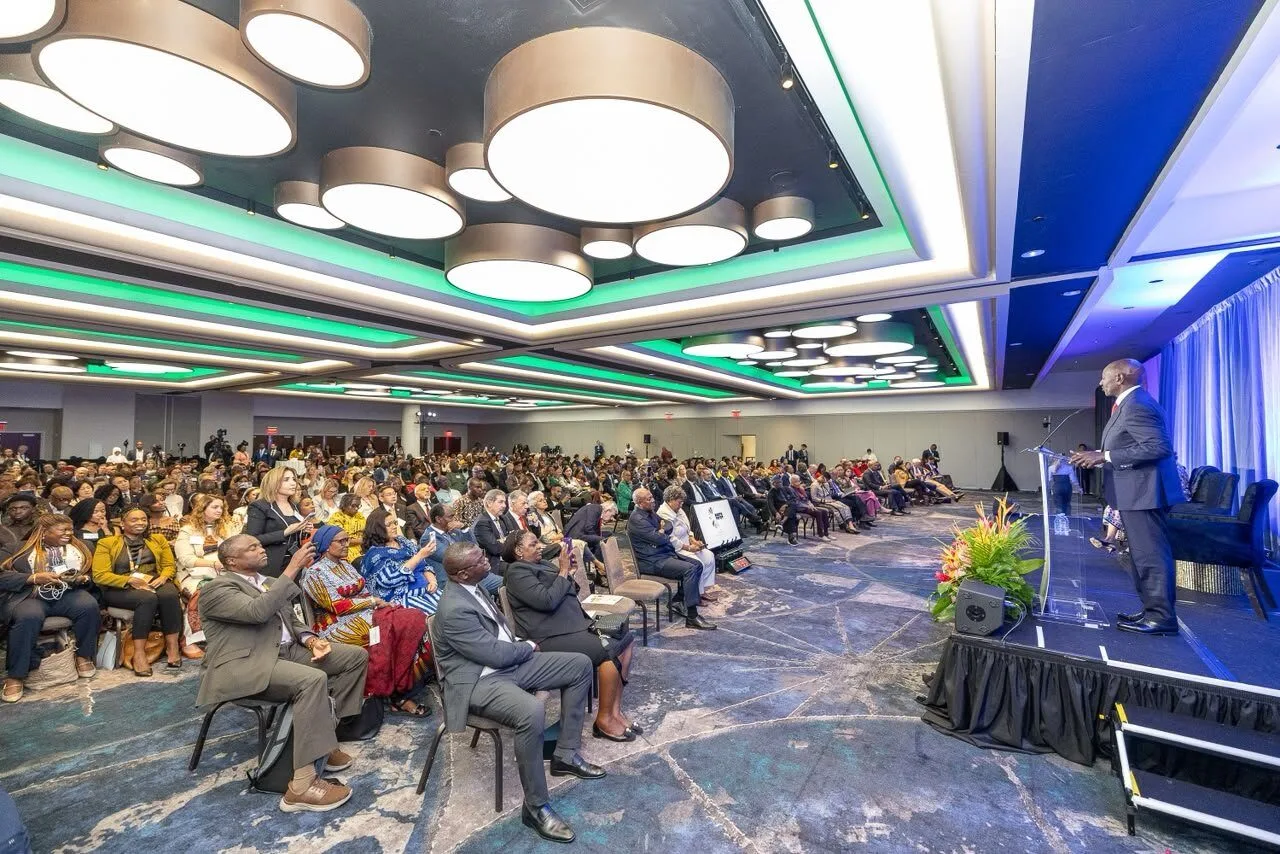
President William Ruto announced that Kenya will lead the first national implementation of Masterkey, a digital platform designed to make African skills and work experience portable across borders. The announcement was made on Monday, September 21 [Note: Capital FM and The Standard report the date as September 22] in New York during the Accra Reset high-level convening on the margins of the 81st session of the United Nations General Assembly (UNGA).
Kenya Takes the Lead on the Masterkey Digital Platform
President William Ruto announced that Kenya will pioneer the first national implementation of Masterkey, a digital skills and work wallet built to allow workers to hold and securely share verified credentials across borders. The announcement came during the Accra Reset high-level convening held on the sidelines of the 81st session of the United Nations General Assembly in New York.
Designed as a publicly governed digital infrastructure, Masterkey will enable individuals to store verified records of their qualifications, employment history, and work experience. Workers can then share these credentials with employers, recruitment services, and other authorized institutions.
“Talent should be portable, skills should be trusted, and opportunity should cross borders,” said Ruto.
Mr Ruto, President of Kenya (as reported by The Standard)
Kenya plans to make the platform accessible through its existing eCitizen portal, with core access and sharing intended to be free for citizens. Authorities plan to roll out a staged pilot to connect existing training and employment channels before a wider rollout takes place.
Sovereignty and Privacy Safeguards in Cross-Border Mobility
While the platform seeks to streamline international employment, Masterkey incorporates strict data governance principles. Participating countries retain complete ownership of their national data and institutional integrity, while individual users maintain control over which records they choose to share.
“Citizens will retain control over what they share while participating countries retain sovereignty over their institutions and data.”
Mr Ruto, President of Kenya
The system relies on verified records issued by authorized institutions. It includes built-in safeguards for cybersecurity and privacy, allowing users to control access and correct errors. Furthermore, the platform operates strictly as an evidentiary tool rather than a decision-making authority.
As Ruto explained, Masterkey will not award jobs, visas, or professional recognition. Those powers remain entirely with employers and competent authorities, who can check the digital issuer and verify the status of an applicant’s submitted record.
Moving from Diplomatic Proposals to Execution
Ruto’s announcement aligned with a broader push by Ghanaian President John Dramani Mahama to transition the Accra Reset from theoretical policy recommendations into active execution. Mahama originally launched the initiative following a health sovereignty summit held in Accra in August 2025.
“We are now moving from design to execution. Too often, visionary ideas are born with great fanfare, only to die quietly in New York’s diplomatic corridors. We will not let that happen to the Accra Reset,” Mahama said.
John Dramani Mahama, President of Ghana
Mahama addressed the New York gathering by urging immediate action on a 10-point report titled A Sovereign Future for Health. He argued that the Global South must confront three interconnected vulnerabilities: geostrategic marginalization, geopolitical vulnerability, and donor dependence.
The Accra Reset has since expanded beyond health security into broader areas such as human capital development, trade, migration, and international economic cooperation through its Global Reset Dialogues.
Broader African Initiatives Unveiled in New York
Masterkey was part of a larger slate of continental initiatives advanced during the UNGA gathering. Other prominent programs highlighted at the event included Mother Africa, a maternal and child health initiative championed by Tanzanian President Samia Suluhu Hassan.
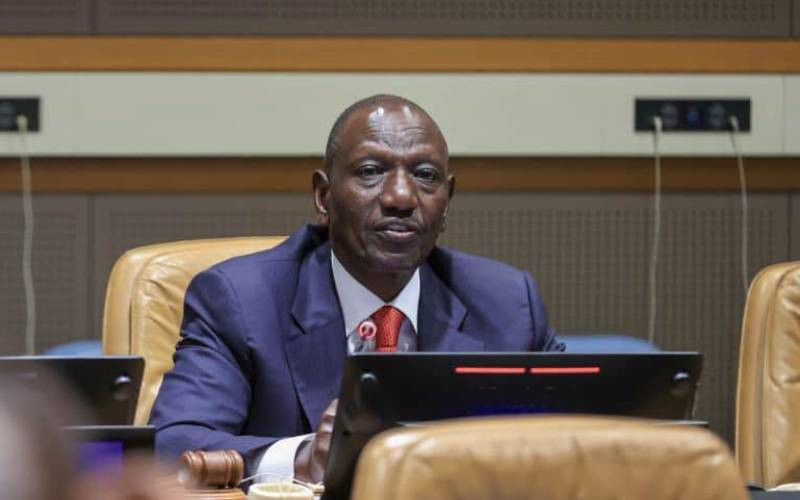
Emphasizing the need for African agency in global technology governance, Ruto stressed that workforce infrastructure must be supported by broader digital capabilities.
“Africa must be a builder of the technologies defining this century and a participant in shaping the rules that govern them,” Ruto added.
Mr Ruto, President of Kenya (as reported by The Standard)
The initiative builds upon earlier Ghana-Spain corridor design work, aiming to establish reciprocal arrangements that benefit workers, employers, and countries of origin alike.
Related reading

Israel Football Association Condemns Heimir Hallgrímsson’s Genocide Remarks
The Israel Football Association has condemned Republic of Ireland manager Heimir Hallgrímsson’s remarks connecting their upcoming Nations League...
Somalia Confirms Uranium and Lithium Deposits to Attract Investment
President Hassan Sheikh Mohamud announced that deposits of uranium, lithium, and cobalt have been confirmed in Somalia, adding...

Real American Freestyle Signs Five-Year Abu Dhabi Deal for Etihad Arena Events
Real American Freestyle has locked in a five-year deal with Abu Dhabi to stage annual wrestling events at...

Denmark Says NATO Will Oversee Arctic Security Under Greenland Pact
Denmark, Greenland, and the United States are preparing to sign a security agreement at the United Nations General...