
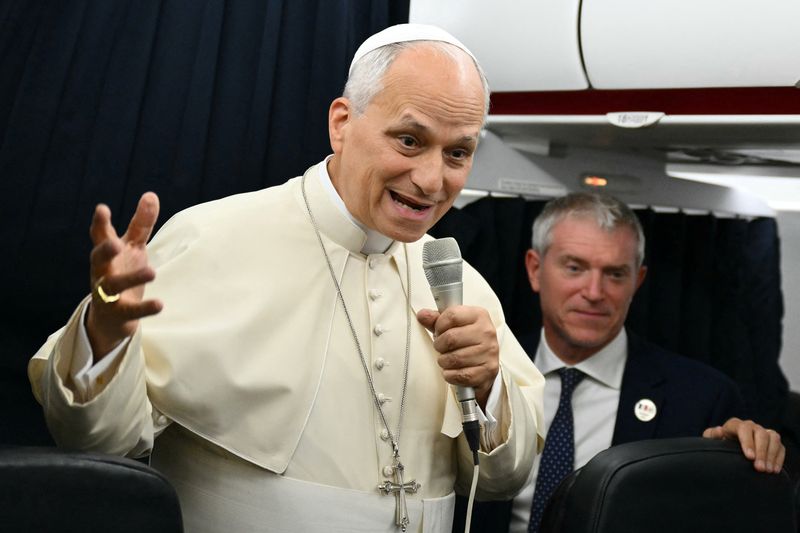
Pope Leo XIV publicly challenged Nvidia Chief Executive Jensen Huang on September 28, 2026, rejecting claims that artificial intelligence safety concerns are fake news. Speaking aboard a papal flight returning from France, the American pontiff warned that unchecked AI development poses severe risks to humanity, escalating a direct ideological clash with Silicon Valley leaders.
The Vatican has increasingly positioned itself as a moral counterweight to the technology industry. This friction intensified when Pope Leo addressed reporters on September 28, 2026, following a four-day apostolic journey to France that included an address at UNESCO headquarters in Paris on September 25, 2026, according to Reuters coverage. The Pope took direct aim at Nvidia CEO Jensen Huang for pushing back against government oversight and dismissing existential warnings about artificial intelligence.
The Clash Between Papal Ethics and Silicon Valley Pushback
The core dispute centers on whether expert warnings regarding AI extinction risks carry any merit. United States President Donald Trump recently addressed the United Nations General Assembly and dismissed fears about humanity’s destruction from AI as a fabricated threat. Huang echoed similar sentiments this month, asserting that voluntary industry responsibility is entirely sufficient and that additional legislation or government guardrails remain unnecessary.
Pope Leo rejected that premise entirely, characterizing the dismissal of safety risks as irresponsible. As Reuters reported, the pontiff noted that he had read about Nvidia’s recent introduction of chip-based security tools intended to prevent incidents like a July hacking event at Hugging Face. Yet he questioned the sincerity of those technical safeguards given Huang’s simultaneous lobbying against regulatory frameworks.

The pope added that anxiety surrounding autonomous technology is not 'fake news,' as someone put it,
urging global leaders to sit down and discuss the implications responsibly rather than closing their eyes to the potential fallout.
Magnifica Humanitas and the Vatican Regulatory Framework
The Vatican’s critique of unchecked technological growth did not materialize overnight. The confrontation builds directly upon Pope Leo’s encyclical, Magnifica Humanitas
, published on May 25, 2026. Spanning 42,300 words, the document lays out a comprehensive ethical architecture designed to govern artificial intelligence development.
The encyclical’s central demand involves what the pontiff terms the “disarming” of artificial intelligence. This requires extracting advanced systems from applications that harm workers, children, or civilians caught in conflict zones. The text specifically advocates for strict government oversight of private developers, enhanced worker protections, and absolute human control over automated military weapon systems.
While the first US-born pope maintains an optimistic perspective on artificial intelligence’s potential benefits, his governance model stands in sharp contrast to the prevailing Silicon Valley philosophy. Tech executives generally prefer an innovate-first approach where governments regulate only after clear harms materialize. The Vatican argues that waiting for catastrophe ensures the harm is already done.
Global Policy Divisions and Upcoming White House Discussions
This ideological split arrives just as Washington prepares for high-level talks on artificial intelligence governance. United States President Donald Trump is scheduled to meet with major technology chief executives at the White House. Sources familiar with the matter indicate that expected attendees include Nvidia chief Jensen Huang, Meta head Mark Zuckerberg, Anthropic CEO Dario Amodei, and OpenAI leader Greg Brockman, alongside Google CEO Sundar Pichai and SpaceXAI executive Elon Musk.
House of Representatives Speaker Mike Johnson remarked that the upcoming discussions would center on balancing necessary innovation with oversight. Johnson cautioned that the United States risks losing the global technology race to China if policymakers decide to over-regulate the sector.
International bodies have also grappled with these tensions. Prominent AI industry leaders recently addressed the United Nations Security Council to emphasize the necessity of global cooperation. Meanwhile, Pope Leo has signaled a strong interest in acting as an intermediary in international regulatory discussions, seeking to bridge the gap between light-touch American oversight and the European Union’s much more aggressive regulatory posture.
Keep reading
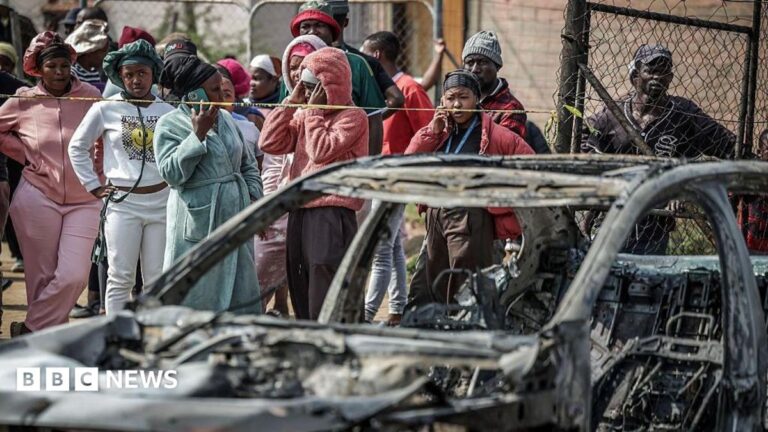
South Africa Mass Shootings in Wedela and Lwandle Kill 27 People
Two separate mass shootings in South African townships over the weekend killed 27 people within hours of each...
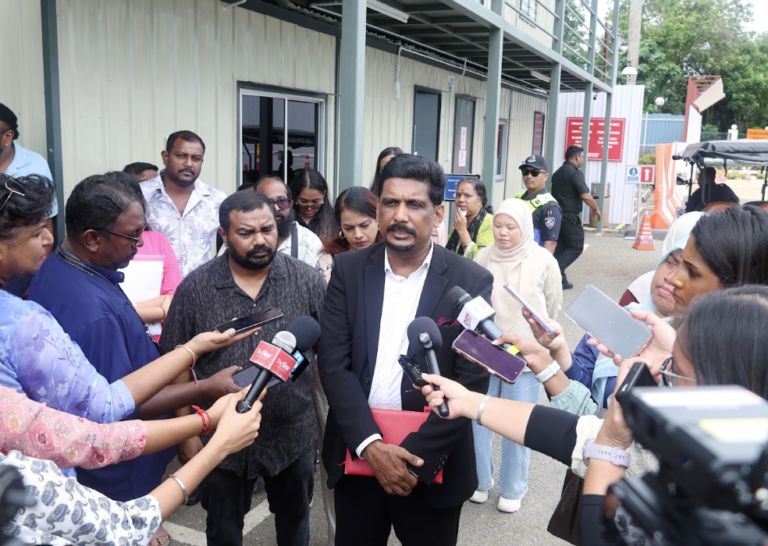
Malaysia to End Search for 55 Missing Citizens in Nepal
Thirty-three days after glacial flash floods struck Nepal, families of 55 missing Malaysians pressed government officials in Putrajaya...

Tigst Assefa Wins Berlin Marathon Despite Injury and Cramps
Ethiopian Tigst Assefa won the Berlin Marathon on Sunday, September 27, 2026, clocking the third-fastest time in history...