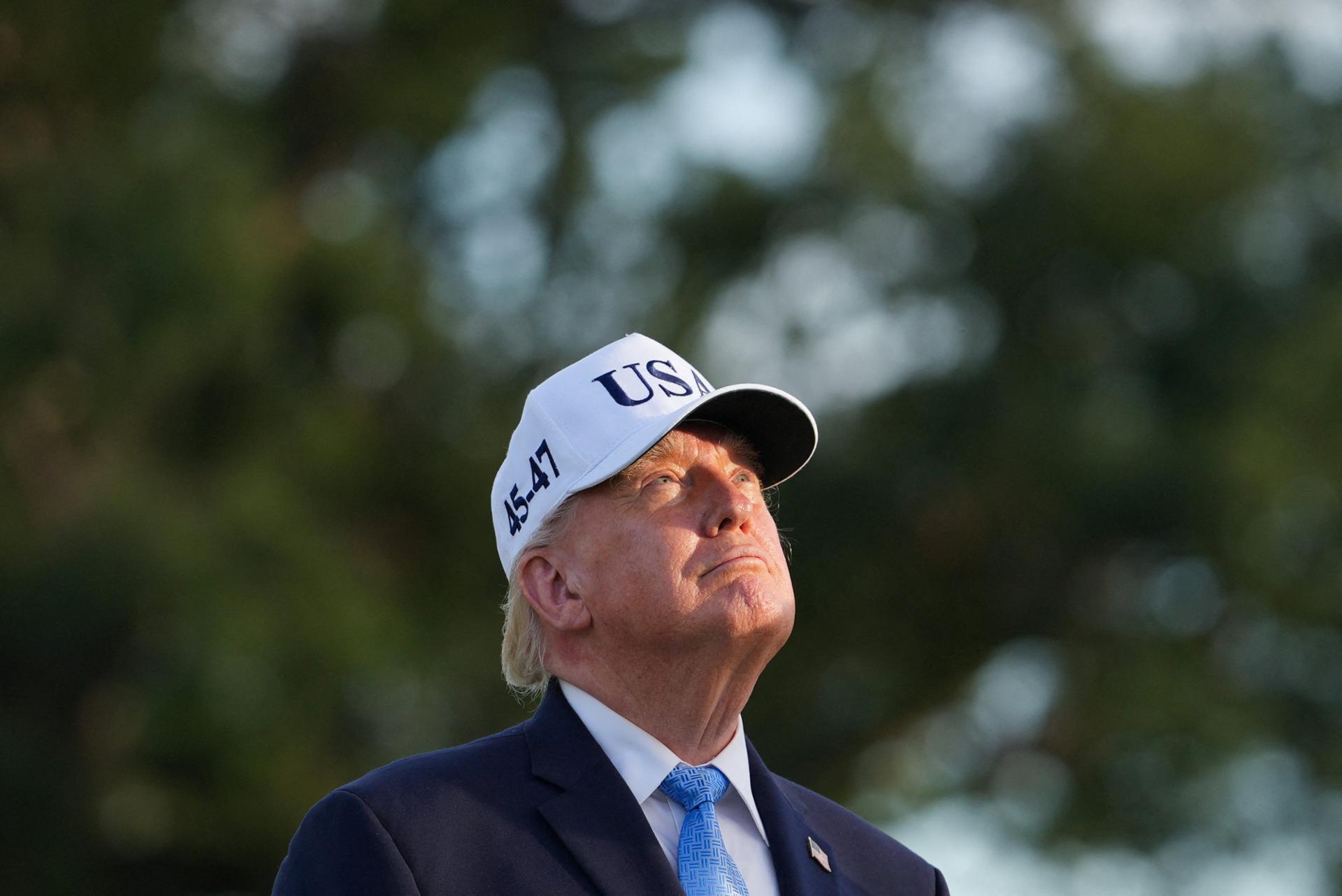
U.S. President Donald Trump expects renewed Iran talks despite rejecting a seven-day truce proposal, while Tehran insists its conditions for reopening the Strait of Hormuz remain non-negotiable, according to multiple reports.
U.S. President Donald Trump signaled on Sunday that he expects renewed negotiations with Iran despite rejecting a truce proposal, as tensions over the Strait of Hormuz escalated. The Iranian Foreign Minister, Abbas Araqchi, reiterated that Tehran’s demands for lifting sanctions, releasing frozen assets, and ending the U.S. naval blockade are non-negotiable, according to state broadcaster IRIB. Trump, however, dismissed the plan.
Trump’s Skepticism and Iran’s Unyielding Conditions
Trump told Axios that Iran’s proposal was not the deal that I want to make,
adding, They overplayed their hand.
The seven-day truce plan, presented at the U.N. General Assembly, aimed to restart talks on Iran’s nuclear program and ease hostilities across the Middle East. However, Trump’s rejection has left the Gulf front of the conflict in a stalemate, with fighting continuing in Yemen and the Strait of Hormuz remaining a flashpoint.
Iran’s Foreign Minister Araqchi stated that any move to reopen the Strait of Hormuz depends on fulfilling Tehran’s conditions, including the release of billions in frozen assets and the lifting of sanctions. We will not back down from them,
he said, per IRIB. The U.S. ambassador to the U.N., Mike Waltz, accused Iran of demanding too much in exchange for dialogue, calling the proposal a pretty cynical attempt to put something on the table that they knew was unacceptable.

The U.S. has imposed an economic blockade on Iran to pressure it to stop attacks on vessels in the Strait of Hormuz, which have drastically reduced shipping through the area.
Iran Seizes U.S. Drone, Escalates Military Posturing
Iran’s Revolutionary Guards claimed to have seized an American submersible drone in the Strait of Hormuz on Sunday, stating it was used for espionage purposes.
The device is now in the hands of the force’s specialists for data recovery, according to state media.
The U.S. and Iran signed a memorandum of understanding in June to end the war, reopen the Strait of Hormuz, and launch nuclear talks. However, the deal collapsed after Iran targeted commercial ships in the waterway, accusing them of deviating from approved routes. Iran requires ships to obtain authorization for passage, citing security and sovereignty reasons, while the U.S. sporadically bombs Iranian coastal areas in retaliation.

If Iran cannot trade, if Iran cannot live, no one will be able to trade or live,
he said.
Regional Fallout and Saudi Arabia’s Deepening Involvement
The conflict has spilled into Saudi Arabia, with Houthi fighters advancing in Yemen and threatening oil exports through the Red Sea. Schools in Riyadh issued notices for remote learning, though no reason was given. Yemen’s Houthi-run health ministry reported seven deaths and 40 injuries in a market strike, while the internationally recognized Yemeni government claimed to have targeted a Houthi military camp.
Saudi Arabia has been drawn deeper into the war this month, as Houthi forces rout Saudi-backed government troops. The Iran-backed Houthis have repeatedly fired into Saudi territory, raising fears of further escalation. The conflict has disrupted global oil flows through the Strait of Hormuz, a critical shipping lane, and taken a toll on the global economy.

Politico noted that Trump has not ruled out renewed military action against Iran, including a potential bombing campaign, after the November midterm elections. The president also renamed the Strait of Hormuz the “Trump Strait” on Truth Social, signaling his administration’s emphasis on U.S. control over the waterway.
Uncertainty Over Diplomatic Pathways
While Iran insists on diplomacy, the U.S. remains skeptical. Trump’s rejection of the truce plan has left the path to negotiations unclear, with both sides sticking to their positions. Araqchi told the U.N. that Iran has conveyed a seven-day plan to the U.S. through Qatar, stating, The choice now rests with the United States.
However, no official response from Washington has been reported.
Iran’s Revolutionary Guards spokesman, Hossein Mohebi, reiterated that Tehran will not cease punishing the U.S. until its seven conditions are met. The situation remains volatile, with both sides preparing for potential further escalation.
Worth a look

South Africa Mass Shootings in Wedela and Lwandle Kill 27 People
Two separate mass shootings in South African townships over the weekend killed 27 people within hours of each...
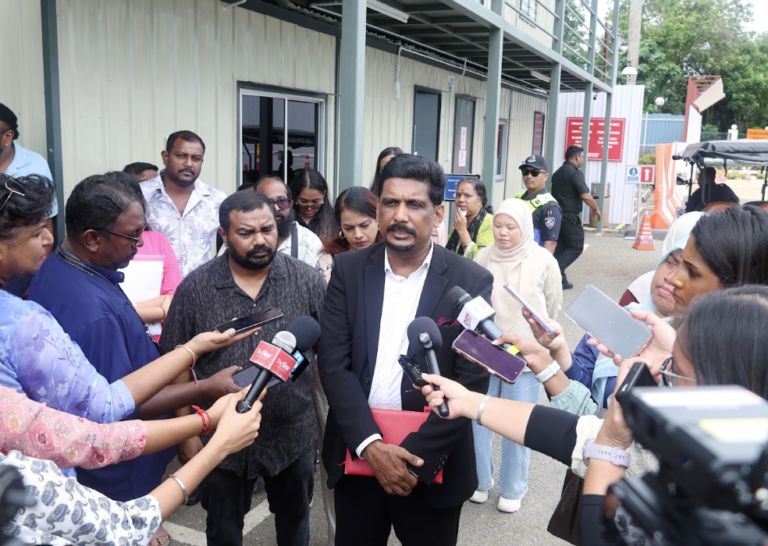
Malaysia to End Search for 55 Missing Citizens in Nepal
Thirty-three days after glacial flash floods struck Nepal, families of 55 missing Malaysians pressed government officials in Putrajaya...

Tigst Assefa Wins Berlin Marathon Despite Injury and Cramps
Ethiopian Tigst Assefa won the Berlin Marathon on Sunday, September 27, 2026, clocking the third-fastest time in history...
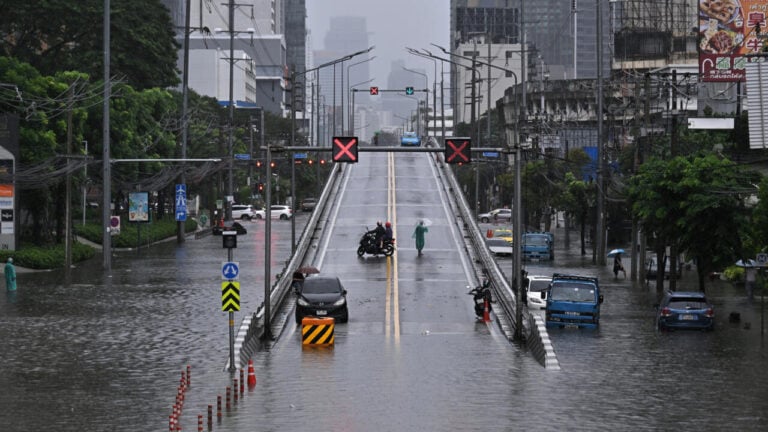
Bangkok Governor Chadchart Sittipunt Declares Citywide Flood Disaster
Bangkok Governor Chadchart Sittipunt declared a citywide flood disaster across all 50 districts on Saturday after nearly 300...