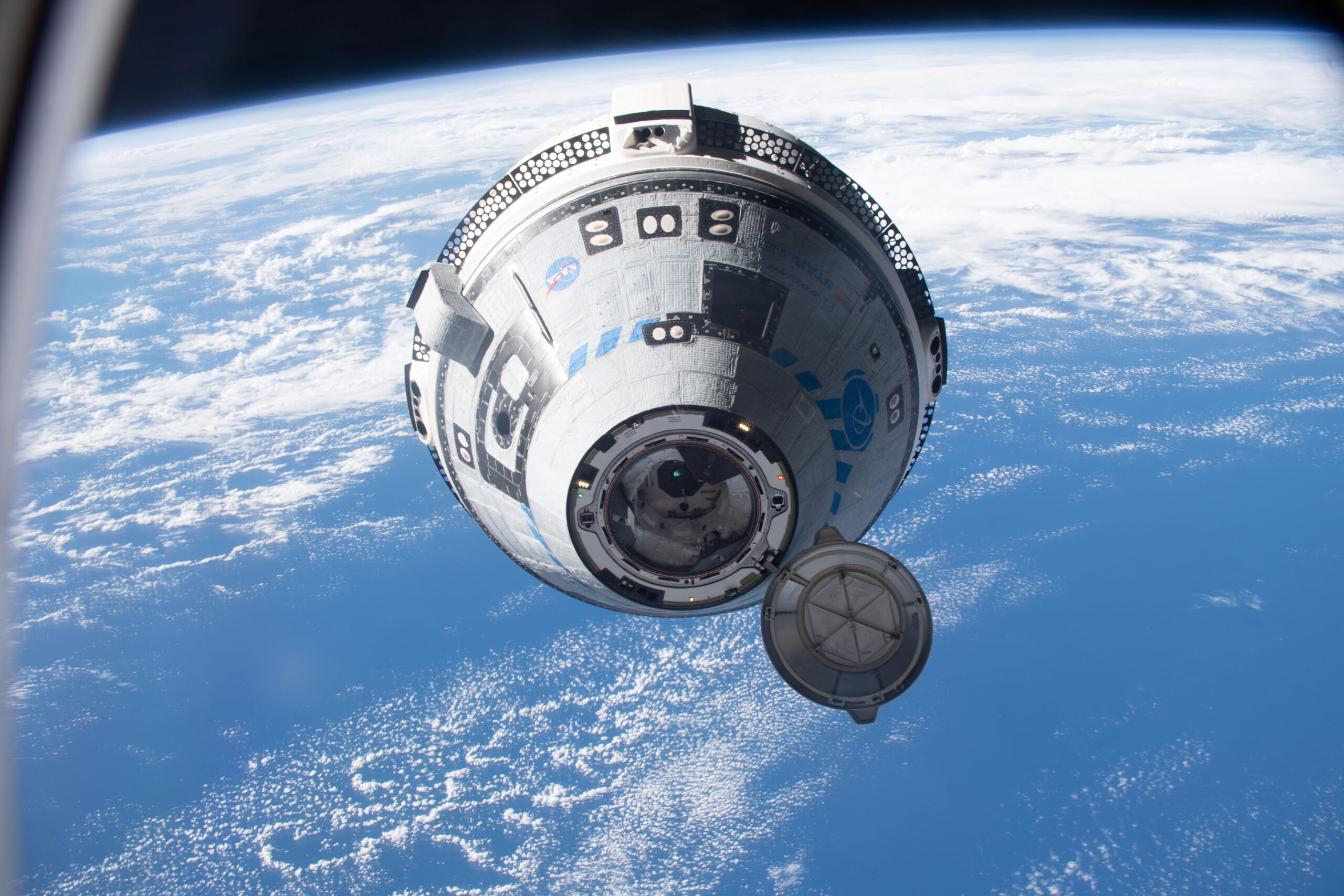
NASA Administrator Jared Isaacman announced on Monday that Boeing’s Starliner spacecraft is targeted for a crewed flight in 2028, following technical hurdles that left two astronauts on the International Space Station.
Space officials laid out a phased roadmap during a news conference at Kennedy Space Center, marking a decisive pivot for a program that has faced severe scrutiny since its inaugural test flight in 2019. The agency has committed an additional $359 million to address corrective issues stemming from the troubled Crew Flight Test and to assist in certifying United Launch Alliance’s Vulcan rocket, as the Atlas V rockets that currently launch Starliner are running out.
Engineering Overhauls and the Upcoming Starliner-1 Test
The path back to flight begins with an uncrewed mission designated Starliner-1, scheduled to lift off this coming December or January. This engineering evaluation flight will test thermal modifications and gather crucial performance metrics before human astronauts step inside.
A Program Investigation Team established by NASA after Starliner landed empty in 2024 produced 61 recommendations to bring future flights into alignment with human spaceflight criteria. Investigators determined that helium leaks and reaction control system thruster failures during the crewed test flight stemmed from a complex interplay of thermal factors and system specifications.
Boeing has implemented fixes on Starliner-1 after identifying the cause of the spacecraft’s helium leaks. Boeing has also altered seal materials to address extrusion issues on the larger side of the tolerance spectrum and added thermal shunts and barriers to the spacecraft.

Assigning Woody Hoburg to Command Starliner-2
NASA astronaut Woody Hoburg will command the first operational crew flight, Starliner-2, which is targeted for mid-2028. Hoburg, a member of the 2017 class of astronauts, previously flew to space once before as part of the Crew-6 mission to the station in 2023. Unlike previous developmental runs, agency leadership intends for Starliner-2 to operate as a routine crew exchange mission carrying four astronauts, likely including international crew members. Following that flight, NASA intends to exercise options for fifth and sixth rotational flights servicing the orbital laboratory. EDT on Monday, Sept. 28, NASA and Boeing leadership discussed Starliner’s development and plans for regular crew flights to and from the International Space Station, with briefing participants including NASA Administrator Jared Isaacman, Dana Weigel, Woody Hoburg, and John Mulholland, vice president and program manager for Boeing Commercial Crew.
Securing Redundancy in Low-Earth Orbit
With SpaceX signaling it wants to sunset its crew Dragon spacecraft flights, NASA faced a difficult decision as it contemplates a future in low-Earth orbit. The space agency is considering extending the International Space Station’s lifetime to 2032 and is supporting the development of private space stations known as commercial LEO destinations. Given its extensive history with Starliner and the taxpayer investment already made, NASA officials calculated that Starliner represents the fastest path to preserving reliable crewed access to low-Earth orbit, especially as future demand settles at two seats every six to nine months.
Boeing representatives voiced optimism about capturing the commercial market alongside their NASA commitments.
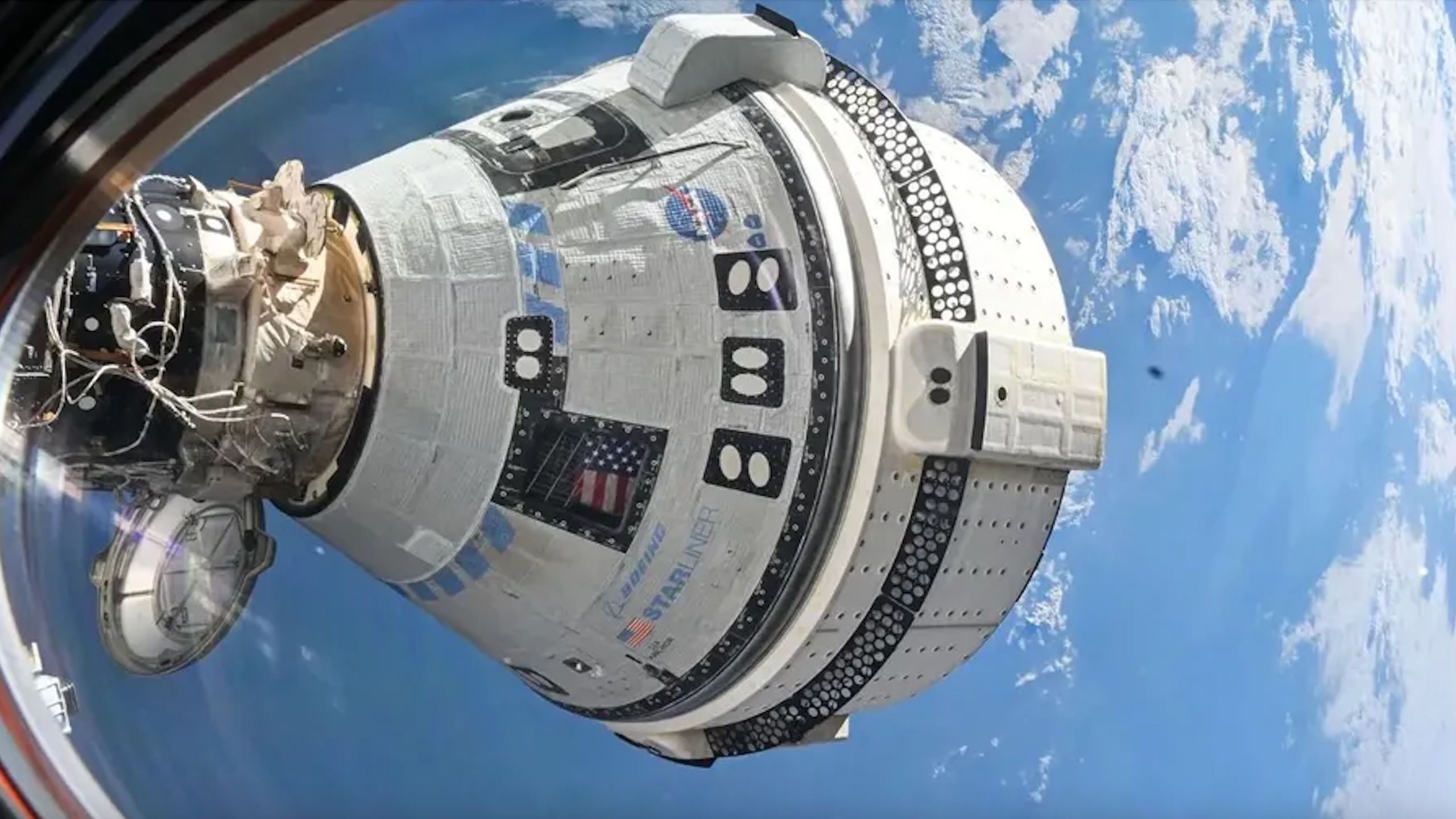
We’re incredibly excited about the partnership with NASA. Maintaining our flights to the orbiting laboratory, and subsequently undertaking voyages past our existing half-dozen once Vulcan is certified. We have also engaged with every commercial LEO destination developer regarding the prospect of serving as their designated transport partner down the road.
John Mulholland, vice president and program manager of Commercial Crew at Boeing
For missions Starliner-2 through Starliner-6, NASA and Boeing have established a price point of approximately $90 million per seat. However, detailed pricing for commercial space station providers remains unconfirmed as engineers continue working toward final vehicle and rocket certifications.
Keep reading
- Researchers Identify Two New Sea Spider Species in the Salish Sea
- NASA Viking Missions Mark 50 Years Since Historic Search for Life on Mars
- NASA Backs Boeing’s Starliner as Future Sole US Astronaut Transport (archyde.com)
- NASA ramps up support to get Boeing's astronaut capsule flying after Butch and Suni fiasco (newsarchyuk.com)
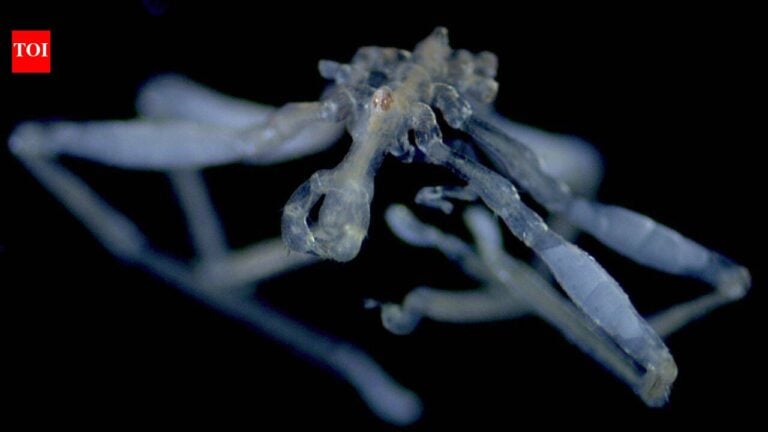
Researchers Identify Two New Sea Spider Species in the Salish Sea
Researchers have identified two previously unknown species of sea spiders in the Salish Sea, marking the first such...
NASA Viking Missions Mark 50 Years Since Historic Search for Life on Mars
Fifty years ago, NASA's Viking missions conducted the only direct search for extraterrestrial life in history.
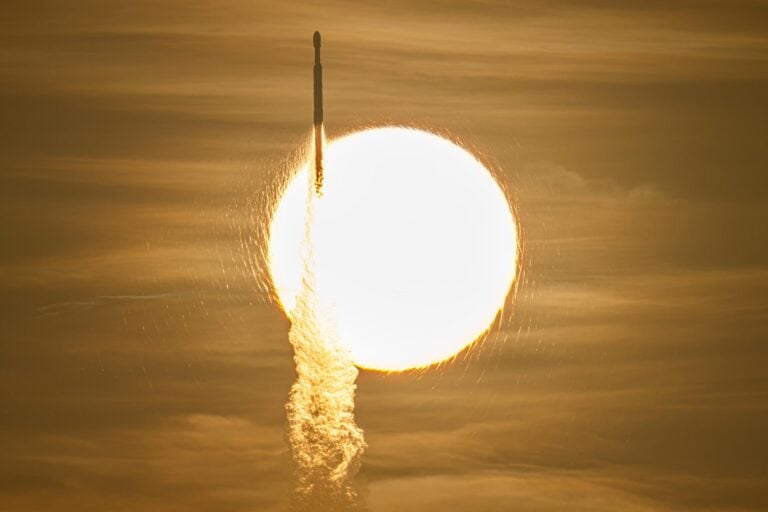
NASA Roman Telescope Powers Up 300-Megapixel Instrument in Space
NASA’s Nancy Grace Roman Space Telescope launched aboard a SpaceX Falcon Heavy rocket and has now successfully powered...
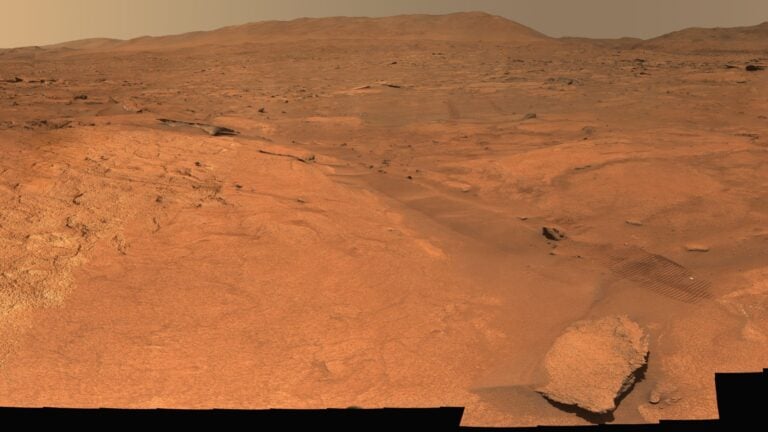
Perseverance Rover Finds Volcanic Rocks at Mars’ Jezero Crater Rim
NASA’s Perseverance rover found volcanic igneous rocks instead of expected sedimentary layers along the inner rim of Mars’...