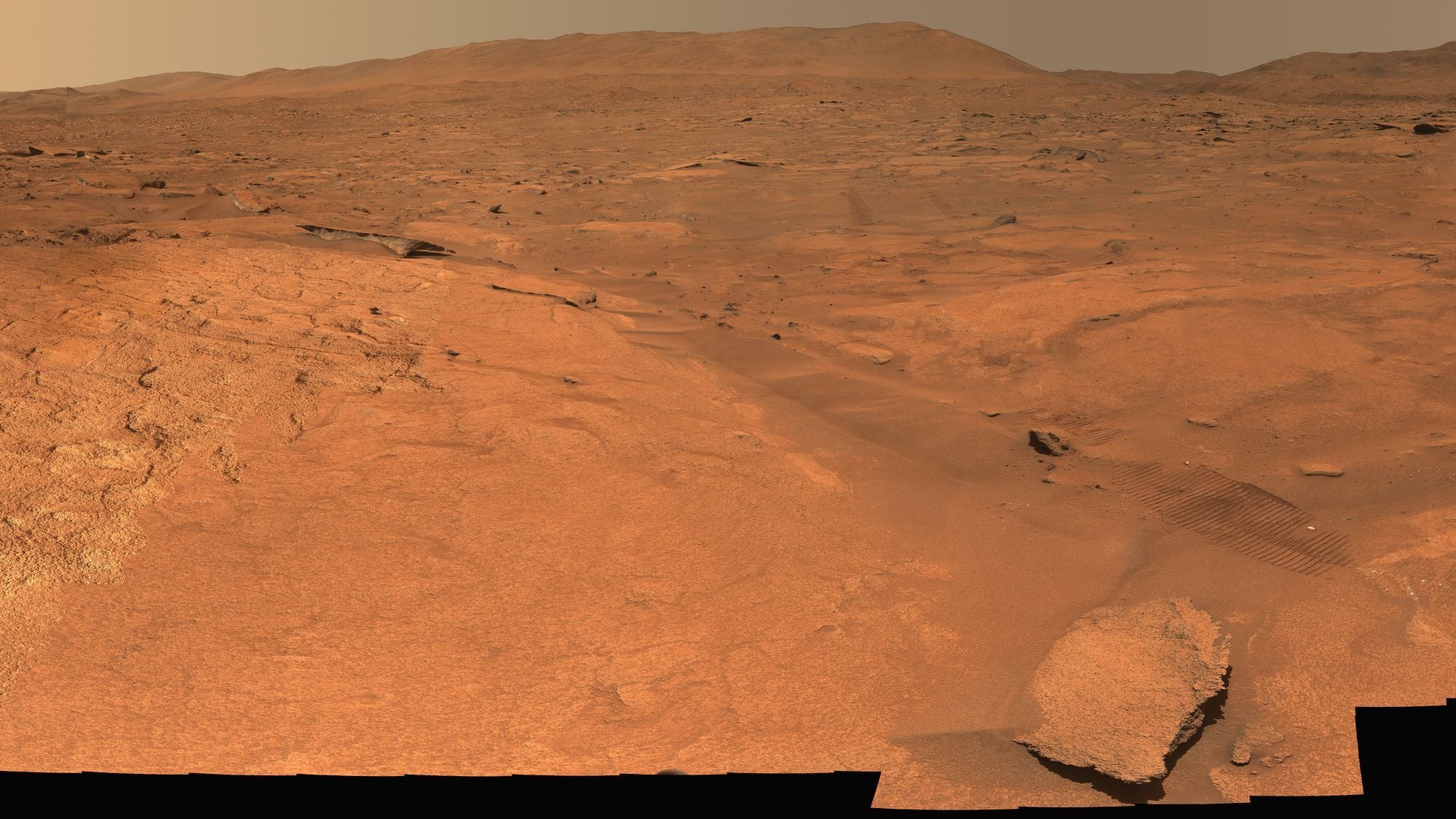
NASA’s Perseverance rover found volcanic igneous rocks instead of expected sedimentary layers along the inner rim of Mars’ Jezero Crater in September 2023. Newly published research reveals these rocks interacted with water during at least three distinct episodes, reshaping scientists’ understanding of the ancient planet’s hydrologic history.
Orbital Miscalculations at the Jezero Crater Rim
Mission researchers expected to find sedimentary formations when NASA’s Perseverance rover arrived at the inner edge of Mars’ Jezero Crater in September 2023. Orbiting spacecraft had previously detected strong signals of carbonate minerals in this region, known as the Margin Unit, which hugs the shoreline of an ancient Martian lake. Because carbonates on Earth frequently develop in shallow water environments capable of supporting life, researchers expected to find clay and silt layers that could preserve past microbial traces.

Before we arrived at the Margin Unit, the main hypothesis — derived from orbital observations — was that the carbonate seen from orbit formed from interaction with the lake that existed in Jezero Crater,
said Candice Bedford, lead author of the study and a research scientist at Purdue University in West Lafayette, Indiana. But now we know that this location became a sort of crossroads for aqueous systems.
SuperCam Laser Analysis Across Bedrock Targets
To unravel how the landscape evolved, the science team relied on Perseverance and its mast-mounted SuperCam instrument. The device determines mineralogy by firing a laser up to 21 feet away at selected targets, turning the rock surface into a glowing plasma whose light spectrum reveals precise chemical components.
Operating across an elevation range of roughly 870 feet, the mission team used the instrument to analyze more than 185 bedrock targets throughout the Margin Unit. Higher up the formation, the rover recorded coarse-grained, crystalline olivine showing virtually no sign of water exposure. Lower down near the ancient lakebed, however, those same olivine grains appeared heavily fractured, with silica packing the spaces between them.
“If there is one thing I have learned after 10 years working with Mars rovers, it is that Mars constantly throws surprises at you. It is very rare that things are as we expect them to be from orbital data.”
Candice Bedford, research scientist at Purdue University
Three Distinct Episodes of Water Interaction
The geological record left behind in the volcanic rock demonstrates that water reached the Margin Unit on at least three separate occasions, with each event altering the mineral chemistry further. While researchers can determine the chronological sequence of these encounters, dating when they actually occurred remains impossible for now.

- First Episode: Carbon-dioxide-rich groundwater seeped into the underground olivine, creating ridges of carbonate minerals inside bedrock fractures that now stand out as softer surrounding material erodes away.
- Second Episode: Water linked to the crater’s ancient lake interacted with the rocks, leaving behind concentrated deposits of silica.
Turning olivine into carbonate can leave silica behind, and we see more of that silica in rocks that sat below the water line,
noted Eleni Ravanis, a planetary scientist at the University of Hawaii at Manoa and co-author of the study. - Third Episode: Heated subterranean fluids circulated through the eastern Margin Unit, depositing mineral veins containing calcium sulfate and fluorite in a manner reminiscent of an active hot spring system.
Broader Implications for Early Martian Habitability
The discovery that Jezero Crater acted as a hydrologic crossroad carries major implications for understanding early Mars. Because Jezero hosts one of the largest exposures of carbonate on the planet, understanding its complex water history offers insights that extend far beyond the crater boundaries.
Although the rover data did not uncover direct evidence of life, the abundance of reactive minerals gives scientists a clearer window into how the Martian climate and habitability shifted over time.
Worth a look
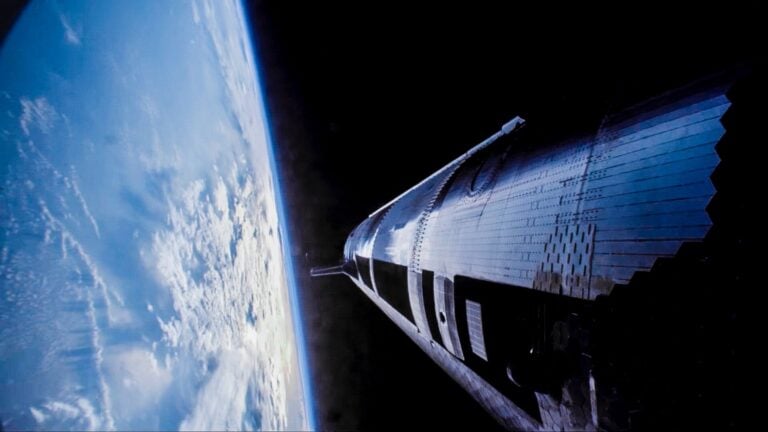
SpaceX Targets First Orbital Flight for Starship on September 28, 2026
SpaceX is targeting September 28, 2026, for Starship's 14th test flight from Starbase, Texas, with a 75-minute window...
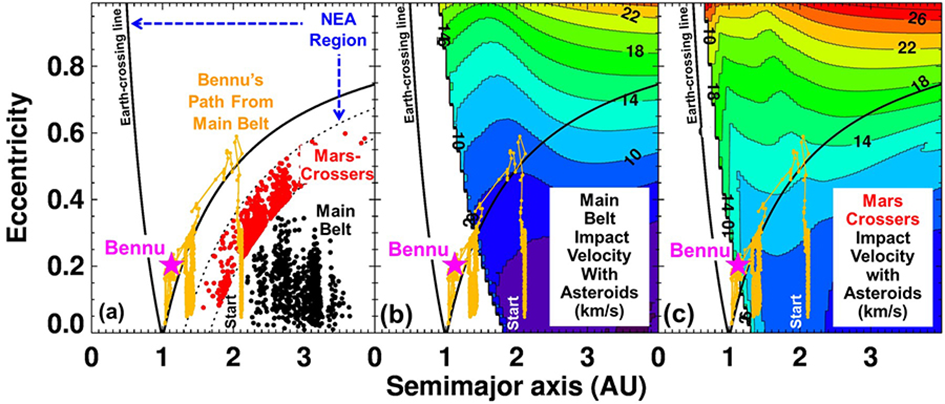
ETH Zurich Researchers Link Asteroid Bennu to Inner Solar System Transition Zone
Researchers analyzing titanium, chromium, and iron isotopes in samples returned by NASA's OSIRIS-REx mission have discovered that asteroid...

Researchers Discover Kayrasaurus changliensis Dinosaur Species in China
Researchers in China have discovered a new therizinosaurian dinosaur species named Kayrasaurus changliensis, which measured approximately 11.8 feet...

NASA Names Four Astronauts for SpaceX Crew-14 Mission to ISS
NASA has assigned four astronauts from three space agencies to the SpaceX Crew-14 mission, targeting a Falcon 9...