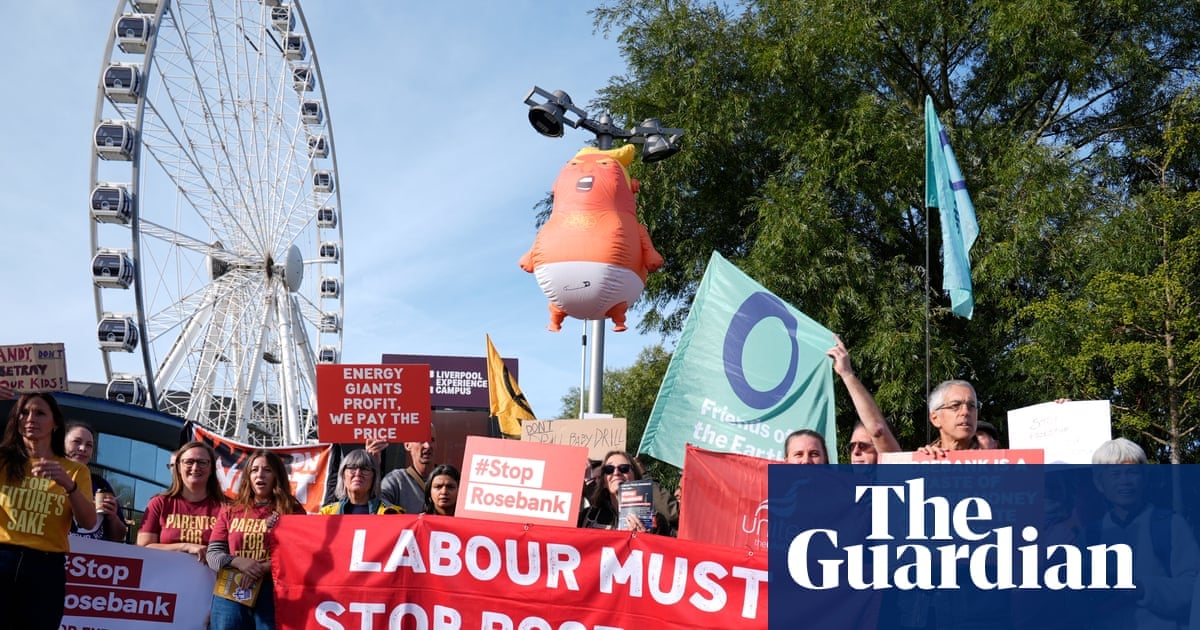
EDF Energy chief executive Simone Rossi has backed the development of the Rosebank and Jackdaw North Sea fields, describing government approval of the controversial projects as a no-brainer that poses no contradiction to net zero climate goals as ministers prepare to decide their fate.
The debate over Britain’s offshore energy future has intensified as the government weighs final decisions on two of the region’s prominent fossil fuel developments. Simone Rossi, chief executive of EDF Energy, backed the development of Rosebank—described as Britain’s largest untapped oil field—alongside the Jackdaw gas field during a recent BBC interview. These sites have turned into central flashpoints within Britain’s discussions concerning energy security and the shift away from carbon-based fuels, while ongoing court actions have temporarily suspended activities on both ventures.
Rossi argued that domestic production provides essential economic support while the country manages a multi-decade transition toward an electricity-based energy system.
New UK gas and oil projects are a ‘no-brainer
"It will take decades to wean off from that dependency. While this process unfolds, we ought to utilize our existing domestic supplies rather than bringing them in from distant locations. For me, it’s really a no-brainer. It is not in contradiction." Simone Rossi, Chief Executive of EDF Energy, via BBC
Asked whether Rosebank and Jackdaw should be approved, Rossi told the BBC: Green light. Absolutely. No doubt about it.
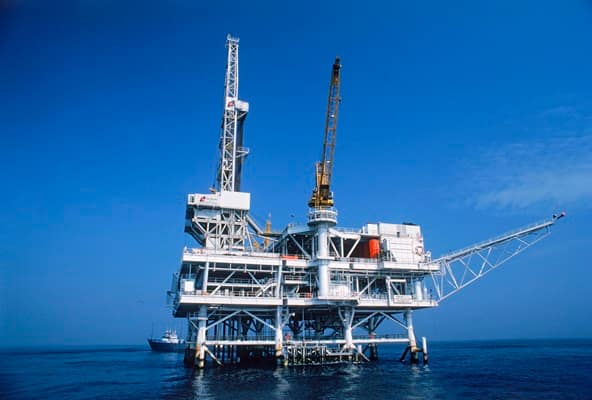
Economic Stakes and Environmental Arguments Surrounding North Sea Production
Proponents of the North Sea projects argue that domestic extraction delivers tangible benefits that outweigh the alternative of relying on overseas shipments. According to EDF Energy boss Simone Rossi, new developments create domestic jobs and generate tax receipts that could be used to support households struggling to pay energy bills. He maintained that locally produced fossil fuels carry lower emissions than imports because they do not need to be transported over long distances.
EDF boss demands green light for Rosebank and Jackdaw
"You’d rather use the money to create jobs in our economy and tax receipts in our economy as opposed to sending it elsewhere," Rossi said. He also argued that producing oil and gas close to the UK could have a lower environmental impact than transporting supplies from overseas, stating: "This is also good for the planet because producing…" He emphasized: In the UK the only way we can reduce emissions is to genuinely reduce the usage of fossil fuels at the point of use,
adding, Over time, the only solution is electricity.
This perspective finds backing across various segments of the energy sector. As a prominent advocate for climate action, the head of EDF Energy—a company producing roughly one-fifth of Britain’s low-carbon power—has additionally voiced support for expanding North Sea output. Additional supporters comprise Octopus Energy founder Greg Jackson, former GB Energy leader Jürgen Maier, and RenewableUK chief Tara Singh.
With ownership held by France’s EDF, EDF Energy maintains approximately 8 gigawatts of clean power generation assets throughout the UK, which encompasses eight atomic stations totaling 6GW alongside 2GW derived from wind, solar, and alternative methods, complemented by the construction of the Hinkley Point C nuclear station.
EDF Energy boss calls UK oil and gas projects
Political Pressure and Legal Hurdles Facing Ministers
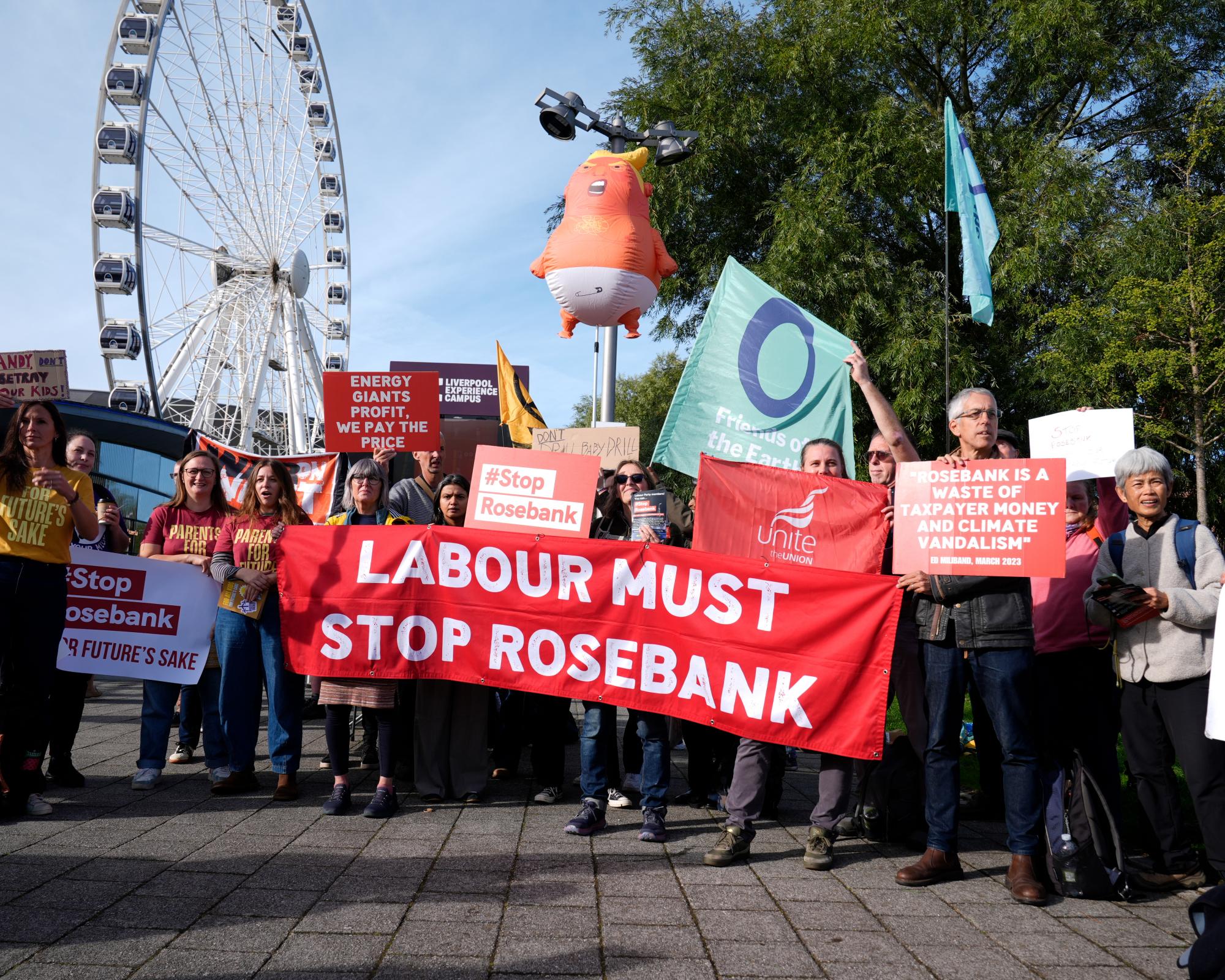
While environmental activists urge officials to maintain curbs on fresh North Sea drilling, industry executives and trade unions contend that local extraction helps sustain employment, tax income, and power reliability. Former energy minister Ed Miliband previously described Rosebank as climate vandalism
. The final decision now rests with the government, with Prime Minister Andy Burnham pledging to take a pragmatic approach
to the future of the North Sea.
Upcoming Government Decisions and Timeline
Ministers are currently weighing the future of Rosebank, Britain’s largest untapped oil field, and the Jackdaw gas field as they prepare to decide on two projects in the region.
Related reading
Brentford Canal Polluted With Dead Animals And Sewage Amid Cleanup Efforts
Dead animals, including a pet cat, have been discovered in stagnant water along a Brentford canal amid growing...
Super El Niño Projected to Cause 451,000 Excess Heat Deaths Worldwide
A developing super El Niño in the Pacific is projected to cause 451,000 excess heat deaths worldwide by...
Scientists Use Mount Vesuvius Eruption to Recalibrate Argon-Argon Dating
Researchers have recalibrated argon-argon dating using historical records from the 79 C.E. eruption of Mount Vesuvius, achieving 0.7...

New Iron Minerals Could Hold Primordial Water at Earth’s Core-Mantle Boundary
Newly discovered iron oxyhydroxide minerals stable at core-mantle boundary conditions could hold up to 15% water by weight,...