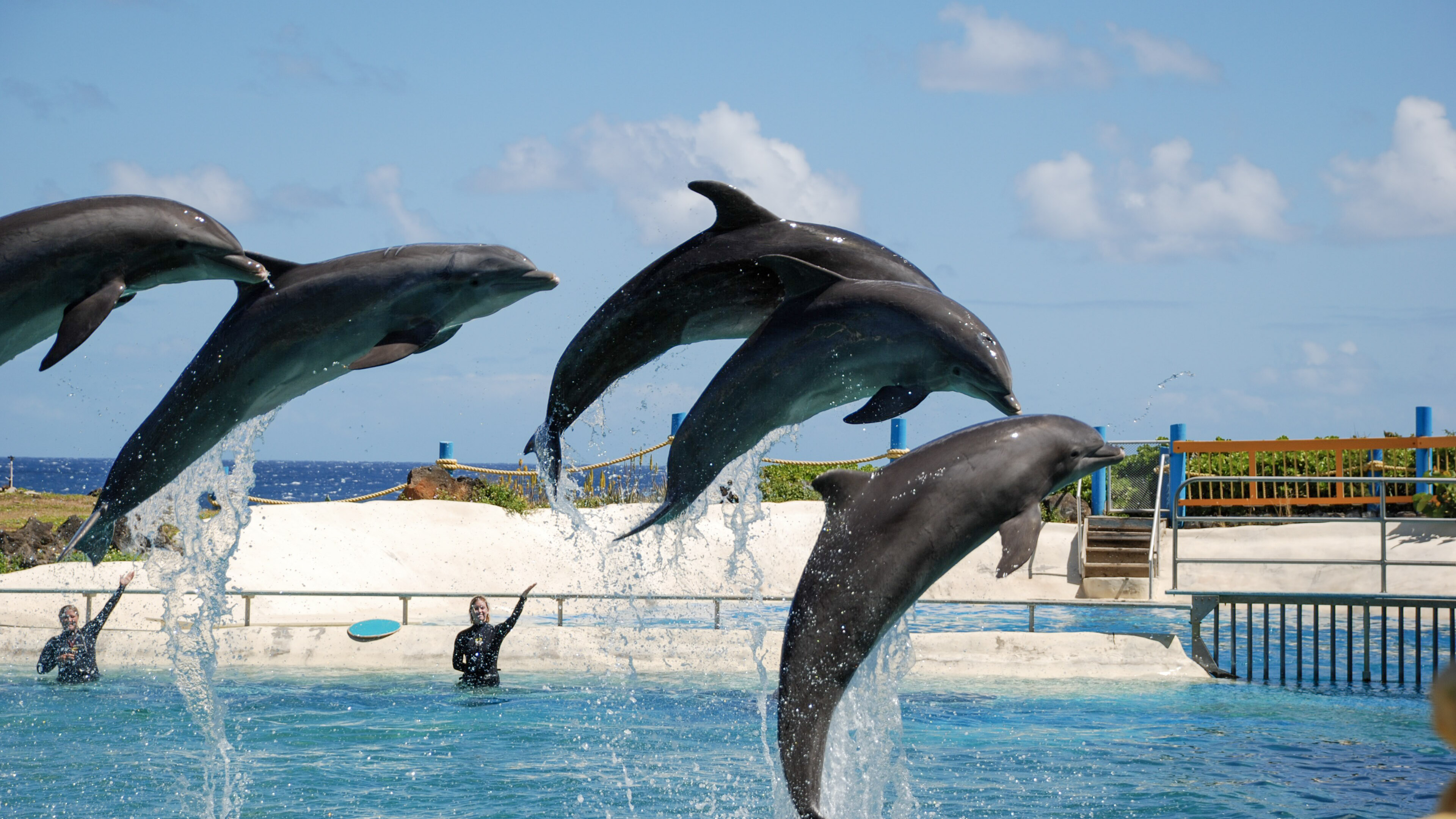
A 38-year-old bottlenose dolphin died at Sea Life Park on Oahu on October 12, renewing pressure from PETA to move the facility’s ten remaining dolphins to seaside sanctuaries. The park, under new ownership since August, continues to sell dolphin swim experiences priced up to $299.99 per person.
The death, confirmed this week by PETA in a November 17 announcement, has cast a fresh shadow over the Waimanalo attraction just months after Hawaiian Council acquired it.
The animal, born at the park in 1988, was euthanized after a chronic illness caused a decline in September, according to the new owners. She gave birth to four calves during her life; three died before her, including two as infants and a six-year-old that swallowed a foreign object, PETA said.
The new owners’ stance
Hawaiian Council, which bought the park in August, said the dolphin initially improved with specialist veterinary care before deteriorating. The company held a Hawaiian cultural blessing in her memory and has stated it has no intention of breeding dolphins.
It also plans to weave more Hawaiian culture and education into the park’s programming. But the dolphin swims — a waist-deep encounter at $229.99 and a deep-water swim at $299.99, both including admission — remain among its most expensive visitor experiences.
“Decisions about their future must consider each animal’s health and needs,” Hawaiian Council said, declining to agree to relocation.
PETA’s sanctuary proposal
PETA wants the remaining ten dolphins moved to protected seaside sanctuaries where they would receive care in ocean enclosures rather than be released into the open ocean. The group says it would cover relocation costs.
No such sanctuary exists in Hawaii, meaning the animals would either need a new facility built locally or be transported elsewhere. Among the survivors is Laka, whom PETA says was taken from the ocean more than 50 years ago and is the mother of the dolphin that died.
PETA said in its November 17 announcement that the dolphin spent her entire life in a concrete tank, forced to perform and breed, and watched three of her four babies die before her. The group said the remaining dolphins deserve to live out their days in a seaside sanctuary where they can feel ocean currents and make their own choices.
Sea Life Park opened in 1964 on Oahu’s windward coast near Makapuʻu Point and has released more than 17,000 Hawaiian green sea turtles hatched and raised there. A Mexican operator, Dolphin Discovery, bought the park in 2005 and ran its signature swim-with-dolphins programs until Hawaiian Council acquired it in August 2025.
A familiar dilemma for Hawaii visitors
The debate mirrors a choice some travelers already face at the Kahala Hotel, where a captive dolphin program has operated for years. For visitors planning an Oahu trip, the question is whether this death — and the renewed scrutiny it brings — changes the calculus on booking a $300 swim.
Hawaiian Council has not set a timeline for any decision on the dolphins’ future, leaving the park’s signature attraction running while the argument over its ethics continues.
Related reading
Rho’s Boaz Katan Argues Boston Seed-to-A Odds Halved as Outside Investors Lead Rounds
Rho community lead Boaz Katan argues in a LinkedIn post that Boston founders face a tougher climb from...
Florida AG Uthmeier Warns Cities of Penalties for Ending ICE Agreements
"Here in Florida, I don't write the law, I enforce it," Attorney General James Uthmeier said Thursday in...

No. 14 Tennessee Hosts Coastal Carolina: Stream on SEC Network+, 7 p.m. ET Friday
No. 14 Tennessee (4-0) hosts Coastal Carolina (2-3) Friday at 7 p.m. ET at Food City Center in...
NYSBA Sees Legislative Opportunity as Democrats Gain Veto-Proof Senate Majority
Newly elected lawmakers are heading to Albany in January, handing the New York State Bar Association a fresh...