
The United Way of Southeast Louisiana has implemented a comprehensive suite of AI-driven accessibility tools to ensure its digital services are usable for individuals with a wide range of disabilities, including blindness, motor impairments, and cognitive disorders. According to an accessibility statement released October 28, 2026, the organization is aligning its web presence with the World Wide Web Consortium’s (W3C) Web Content Accessibility Guidelines 2.1 (WCAG 2.1) at the AA level.
By integrating an AI-based application that constantly optimizes HTML and adapts functionality in the background, the organization is removing the digital barriers that often prevent the most vulnerable populations from accessing critical support systems.
AI-driven remediation for screen readers and keyboards
The core of the update is a background process that learns the website’s components to maintain compliance even as new content is added. For blind users, the system utilizes ARIA (Accessible Rich Internet Applications) attributes to provide meaningful data to screen readers like JAWS and NVDA. This includes accurate form labels, descriptions for actionable icons, and validation guidance for inputs.
One of the more advanced features is the use of image-object-recognition technology. When the system encounters an image without a description, the AI automatically generates an ALT (alternate text) tag. It further employs OCR (optical character recognition) to extract text embedded within images, ensuring that no information is hidden from those using screen-reading software.
Keyboard controls have been similarly overhauled. Users can now move through the site via Tab and Shift+Tab, operate dropdowns with arrow keys, and use the Spacebar or Enter key for checkboxes and radio buttons. To move through the site faster, it supports specific shortcuts: “M” for menus, “H” for headings, “F” for forms, “B” for buttons, and “G” for graphics.
Specialized profiles for diverse neurological needs
Recognizing that accessibility isn’t a one-size-fits-all solution, the United Way of Southeast Louisiana has introduced several “Disability Profiles” that allow users to tailor the interface to their specific biological or cognitive needs:
- Epilepsy Safe Mode: Removes flashing or blinking animations and risky color combinations to prevent seizures.
- Visually Impaired Mode: Adjusts the UI for those dealing with cataracts, glaucoma, tunnel vision, or degrading eyesight.
- Cognitive Disability Mode: Provides assistive options for users with autism, dyslexia, or CVA to help them focus on essential elements.
- ADHD Friendly Mode: Reduces distractions to help users with neurodevelopmental disorders maintain focus on main content.
- Blindness Mode: Full configuration for compatibility with VoiceOver, TalkBack, JAWS, and NVDA.
Beyond these profiles, the site allows for granular control over the visual experience. Users can modify font families, spacing, and line height, or select from seven different color schemes, including monochrome and inverted modes. For those with hearing devices who may experience headaches from automatic audio, a global muting option is available.
Bridging the cognitive gap with external integration
To assist users with cognitive impairments, the organization provides a Cognitive Disability Mode with different assistive options to help them focus on the essential elements of the website more easily.
While the organization acknowledges that some sections may still be in the process of becoming fully accessible, the implementation of a constant AI-remediation loop suggests a shift toward proactive rather than reactive compliance.
Worth a look

Washington State Suspends Pre-Election Campaign Contribution Limits
Washington state's campaign finance regulators are effectively pausing the rules on how much money can flow into political...
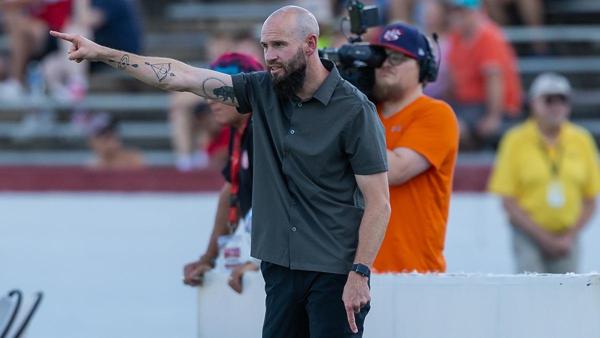
Richmond Kickers Name Brian Ownby as Head Coach
The Richmond Kickers have officially named Brian Ownby as the ninth head coach in the club's history, moving...

Will Hoser runs for Vermont Legislature on platform of fairness
A physician assistant with over 30 years of medical experience in Chester and the surrounding communities is running...

Post Malone, Alesso to Headline New Salt Lake City NYE Festival
Post Malone and Swedish DJ Alesso will headline a new New Year's Eve festival in Salt Lake City,...