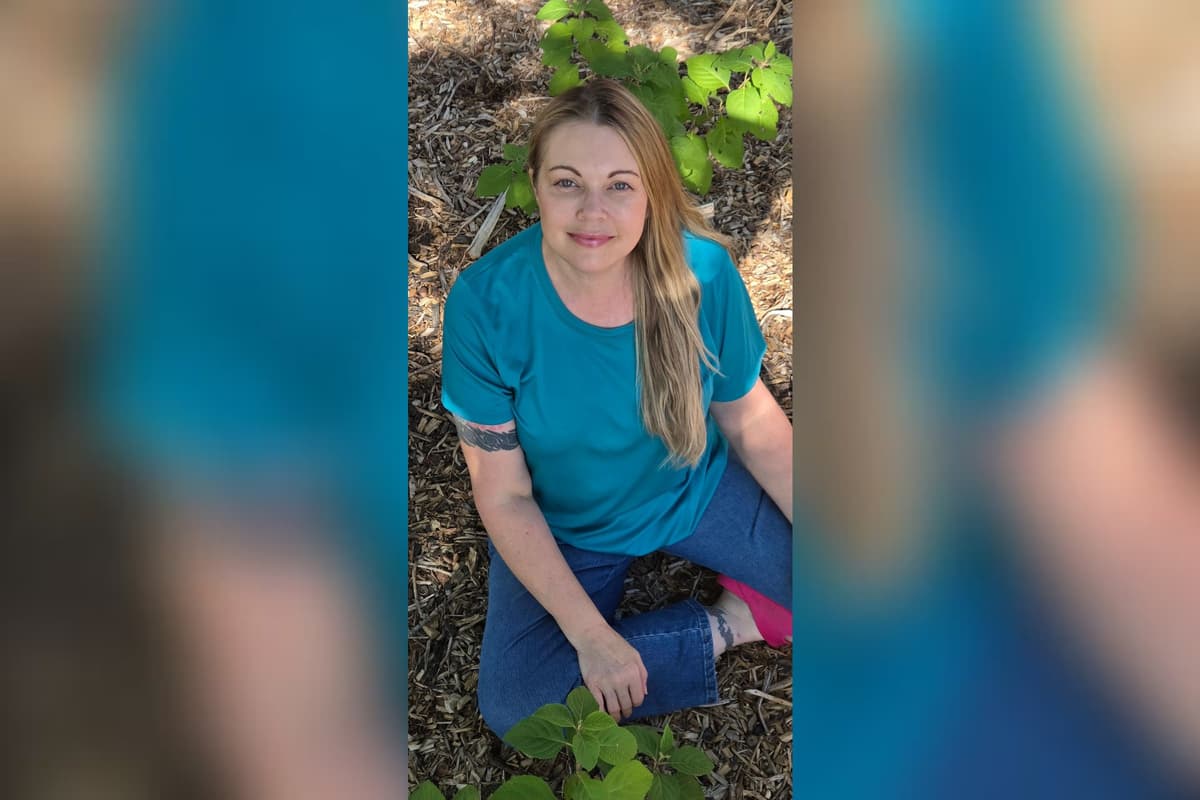
Gardening in Central Texas is less about fighting the environment and more about negotiating with it. For residents in the Kyle corridor, the difference between a thriving backyard and a costly failure often comes down to timing and a willingness to embrace the local ecosystem. Holly Wilson, a Kyle resident with 40 years of gardening experience, argues that the key to sustainability in this region is a shift away from synthetic chemicals and a commitment to native planting.
The stakes are more than just aesthetic. As water scarcity becomes a defining characteristic of Texas, the traditional "green lawn" model is becoming an economic and environmental liability. By prioritizing plants adapted to the region’s specific soil and climate, gardeners can reduce water consumption and support a local insect population.
Fall planting reduces water dependency
While many beginners instinctively plant in the spring, Wilson suggests that the window from mid-October through the end of November is the optimal time for Central Texas gardens. Planting during this cooler period allows plants to establish deep root systems before the summer heat arrives.
The logic is simple: a plant established in the fall is far more drought-tolerant than one forced into the ground during the summer, which requires “a tremendous amount of water” just to survive. This timing uses the region's natural rainfall patterns to give the flora a biological head start.
The hidden cost of synthetic fertilizers
A common pitfall for new gardeners is the reliance on petroleum-based synthetic fertilizers. Wilson compares these products to a “multivitamin in the arm,” providing an instant shot of nutrients that makes the plant dependent on external inputs while starving the soil’s natural biology.

When synthetic fertilizers are used, the beneficial microorganisms in the soil—which normally provide nutrients to the plant—die off because the plant no longer needs to support them. This creates a cycle of dependency where the plant becomes more stressed and less healthy over time. To counter this, Wilson advocates for organic matter, specifically using compost and vermicomposting (worm composting) to build long-term soil health.
“Because humans need nature and nature needs humans to protect it, right? It’s a symbiotic relationship, or at least it should be.”
Managing pests through ecosystem balance
Rather than reaching for pesticides, herbicides, or fungicides, Wilson employs integrated pest management. This approach focuses on “cultural controls”—ensuring the plant is right for the soil, receiving the correct amount of sun and water, and planted at the right time—to prevent pest overabundance before it starts.
For those who still face infestations, the strategy shifts to mechanical controls, such as hand-vacuuming insects or using a strong blast of water. The broader goal is to maintain a balanced ecosystem where beneficial predator insects, lizards, and frogs manage the pest population naturally. Wilson notes that 95% of insects are beneficial, and accepting their presence is essential for a healthy backyard.
The critical role of native plants
The distinction between “native” and “adapted” plants is a vital one for the Central Texas environment. While adapted plants may survive in the region, Wilson warns that roughly 15% of them eventually become invasive, causing significant environmental and economic damage to agriculture and wildlife.
Native plants are superior because they are the only food source for “specialist” insects. According to Wilson, 90% of native insects are specialists, meaning they cannot obtain the nectar or nutrients they need from any plant other than a native species. When homeowners replace native flora with exotic ornamentals, they effectively starve the local pollinator population.
For those looking to start, Wilson recommends the Native Plant Society of Texas database, which allows users to filter plants by their specific eco-region. She also suggests the use of a Hori Hori knife, a versatile Japanese gardening tool, for those beginning their physical work in the dirt.
The shift toward native landscaping is gaining momentum in the region, driven largely by the reality of dwindling water supplies. As residents move away from non-native turf grasses, the backyard is evolving from a high-maintenance luxury into a functional part of the local conservation effort, supported by initiatives like the City of Kyle Conservation and Parks and Recreation board.
Related reading
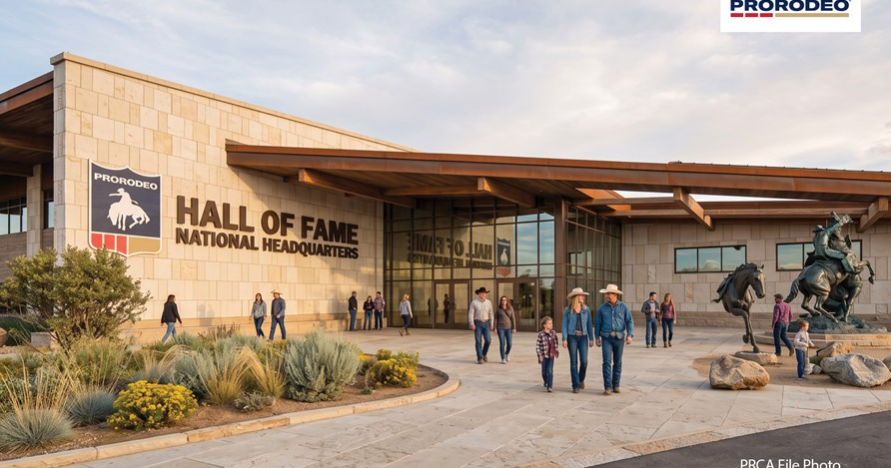
PRCA Finalizes Renderings for Cheyenne Headquarters and Hall of Fame
The Professional Rodeo Cowboys Association (PRCA) has finalized the exterior renderings for its new headquarters and the ProRodeo...

Christian Yelich Urges Brewers to Face Adversity After Game 4 Loss
The Milwaukee Brewers missed a golden opportunity to secure their first World Series title on Tuesday night, falling...

Obatala Sciences Expands to Charleston With 46 New Jobs
Obatala Sciences is bringing a $656,000 investment and 46 new jobs to Charleston County as it establishes its...

Diocese of Olympia Moves $100 million fund to Episcopal Church management
The Diocese of Olympia is moving a $100 million investment fund into the centralized management of The Episcopal...