
Adults 50 and older are driving longevity conversations in doctors’ offices and producing an estimated $12.5 trillion in economic activity in 2024, reported from the HLTH conference in Las Vegas.
“I’m excited, being in my 50s,” said Myechia Minter-Jordan, MD, CEO of AARP. “I feel very empowered to be in this stage of my own life and certainly am spending more on health and technology as I age.”
The demographic shift reflects empty-nest transitions, caregiving for aging parents, and newfound financial capacity to invest in personal health, said Peter Stern, CEO of Peloton. “When I turned 50, I didn’t know how long I’d live, but I know I’m more than halfway. I wasn’t just counting up anymore; I’m also counting down.”
Sixty percent of people 50-plus feel technology is not created with them in mind, Minter-Jordan noted. They also want clear medical guidance on what interventions are evidence-based versus hype.
“There’s a longevity gold rush,” said John Whyte, MD, CEO of the American Medical Association, speaking on the sidelines. “There are a lot of actors out there that have vested interests that are not fully disclosed.”
Peloton members aged 50 and older average 45% more workouts than members younger than 50, Stern said, citing company data. “It’s a mistake to assume that the 50-plus people are the ones who are less active,” he said. “They’re also the most active members that we have.”
Ninety-five percent of people over 50 believe exercise will help prolong their lives, Minter-Jordan added. Research increasingly highlights strength training and sufficient protein intake as critical with age, Whyte noted, alongside sleep quality and social connection for cognitive health.
“I figured I’d sleep when I’m dead,” Stern said. Now, he said, we know sleep “is how our brains repair overnight and how we reduce the risk over time of dementia, of Alzheimer’s.”
Physicians say certain medical interventions — such as GLP-1s for metabolic health or hormone therapy for menopause — could reasonably extend lifespan and health span when used appropriately under medical guidance.
Chris Curry, MD, PhD, clinical director of Women’s Health at Oura, said she sees high engagement in this demographic, especially women. “For women, I think the way we see midlife within our product is an opportunity,” Curry told Medscape Medical News. “There are a number of front doors to the conversation about health. For some, it’s perimenopause. For others, it’s GLP-1s. Show up with whatever is driving you. But the house you entered is based on your own health.”
Keep reading
- Nepal PM Shah Arrives in Delhi for Two-Day India Visit
- Studies Link Inflammasome Cytokines IL-1β, IL-18 to Gastric, Pancreatic Cancer Mechanisms
- Tech Outages Drive Cash Reliance Among Australians Amid Digital Payment Vulnerabilities (world-today-news.com)
- COP31 Climate Talks Collapse Over Fossil Fuel Dispute (archyde.com)

Nepal PM Shah Arrives in Delhi for Two-Day India Visit
Shah arrived in New Delhi on November 22 for a two-day visit at Prime Minister Narendra Modi's invitation....
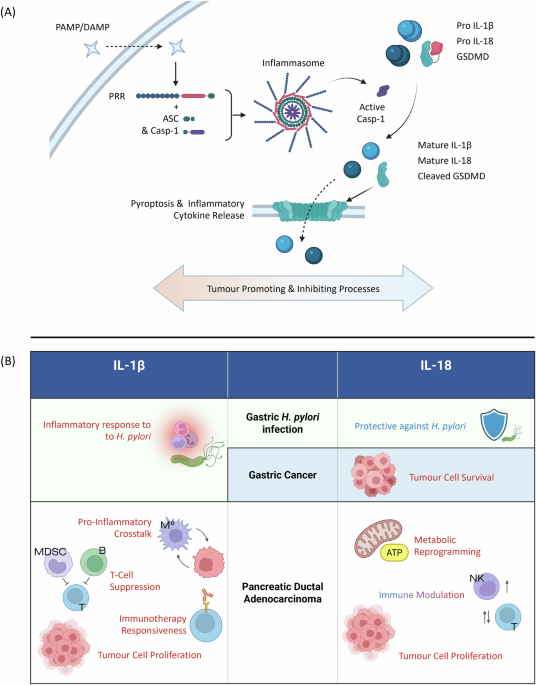
Studies Link Inflammasome Cytokines IL-1β, IL-18 to Gastric, Pancreatic Cancer Mechanisms
New research maps how inflammasome-driven cytokines IL-1β and IL-18 fuel gastric and pancreatic cancers, challenging the view that...

Flores Quake Reconstruction Stalls, 180,000 Displaced Three Months
Three months after an earthquake struck Flores on Aug. 15, reconstruction has barely begun, leaving more than 180,000...

Barcelona, Lyonnes Reach UWCL Quarters With Big Wins
Barcelona and OL Lyonnes secured direct quarter-final places in the UEFA Women's Champions League on Thursday, while Bayern...