
Advocates in Springfield used the local Veterans Day parade to shine a light on the persistent and evolving crisis of veteran homelessness in southwest Missouri. While celebratory crowds gathered to honor service members, local leaders warned that the stability of many veterans remains precarious due to a tightening housing market and the lingering economic disruptions of the pandemic.
According to a report from KY3, the Ozarks Alliance to End Homelessness has seen a decrease in the number of veterans experiencing homelessness in the area, with 27 veterans currently reported as homeless. However, Michael Bohlen, a support specialist with the alliance, noted that these official figures likely represent only a fraction of the true struggle, as they may not capture individuals who lack stable housing but have not yet reached a state of total homelessness.
The widening gap between income and housing costs
The primary driver of this instability is a massive deficit in the local housing market. Bohlen estimates that Springfield is currently facing a shortage of more than 8,000 affordable homes. This scarcity creates a volatile environment where even those with current shelter are at risk of sudden displacement.
The economic math for many residents is becoming increasingly difficult to balance. As inflation and cost-of-living increases outpace wage growth, the margin for error disappears. Bohlen highlighted the specific vulnerability of seniors, noting that for those living on fixed incomes, rising rents can quickly lead to a crisis where “something has to give.”
“There are folks who, while they may still have housing, they’re one paycheck away, and suddenly they can find themselves in a hotel room,” Bohlen said.
This “one paycheck away” phenomenon suggests that homelessness in the region is not just a matter of long-term unemployment, but a systemic issue of affordability. Bohlen expressed concern that the situation is poised to worsen as the gap between stagnant incomes and climbing living costs continues to expand, potentially pushing more people onto the streets.
Overcoming the stigma of seeking help
Beyond the economic hurdles, the psychological barrier of pride remains a significant obstacle to intervention. For many who served, the transition from the disciplined structure of military life to civilian struggle is compounded by a reluctance to admit vulnerability.
Michael McFarland, an Army veteran who served in the 1960s, attended the parade in his uniform and spoke to the difficulty veterans face when they need assistance. He noted that the very sense of pride that defines many service members can make the act of asking for help feel insurmountable.
McFarland encouraged those struggling to bypass their hesitations and utilize the community resources available to them, such as local American Legion posts in Springfield. He emphasized that while the first step is often the hardest, the support systems are in place for those willing to reach out.
“Somebody wants to help you. So please, reach out,” McFarland said. “You might have to take the first step to reach out to a post, American Legion post. There’s some in Springfield. Don’t be afraid. Don’t be hesitant.”
Keep reading
- Michigan Tech Defeats Augustana in Thrilling Shootout Victory
- Florida State Wins After Boston College Executes Longest Yard Trick Play
- Rising NHL Prospects Deliver Dominant Early Season Performances (world-today-news.com)
- Melbourne Cup revellers confront rising interest rates and cost of living squeeze (newsarchyuk.com)

Michigan Tech Defeats Augustana in Thrilling Shootout Victory
Augustana University and Michigan Tech played to a 2-2 draw on November 7, 2026, in a contest that...
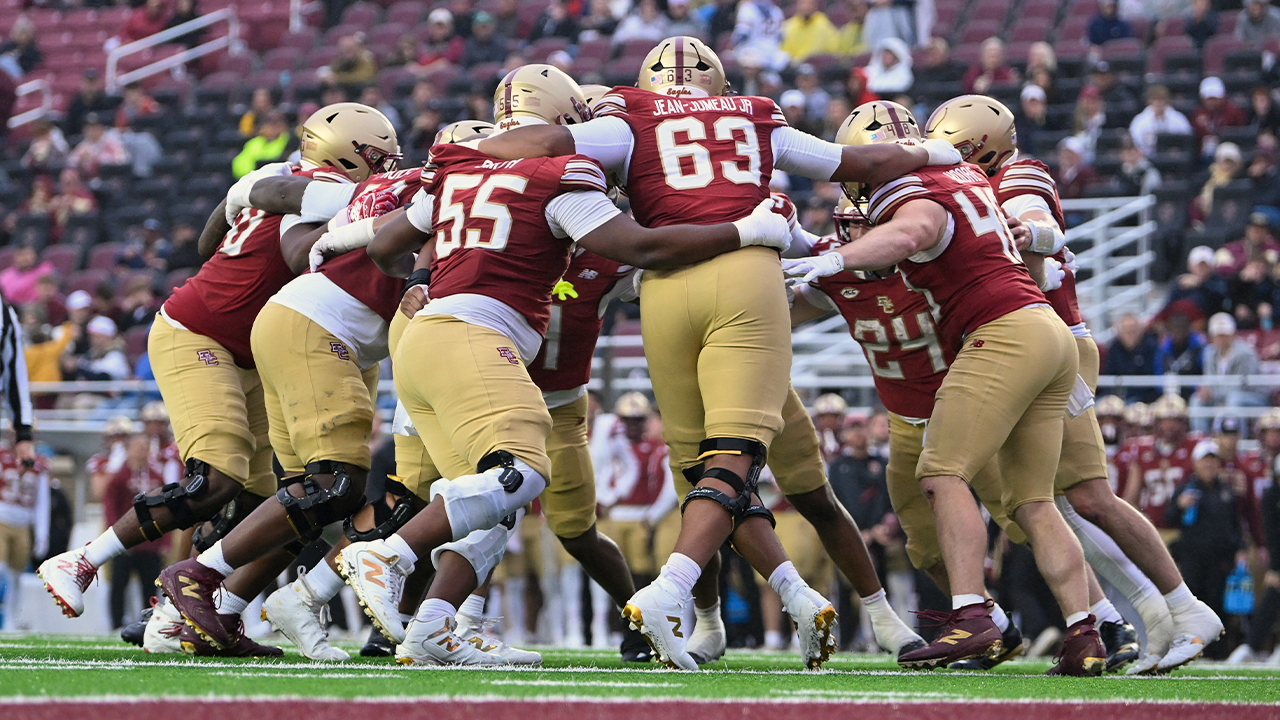
Florida State Wins After Boston College Executes Longest Yard Trick Play
Boston College executes cinematic trick play before falling to Florida State The Boston College Eagles utilized a highly...
LouCity Starts Prolific Front Three for USL Championship Playoff vs Miami FC
Louisville City will deploy its most productive attacking unit for Saturday’s Eastern Conference Semifinal as they host Miami...

Kansas City Current Defeat Angel City FC to Advance to NWSL Semifinals
Michelle Cooper penalty secures Kansas City Current victory in postseason opener The Kansas City Current advanced to the...