“We kept warning them something terrible is going to happen”
Two teenagers in Minneapolis survived horrific, life-altering falls at abandoned industrial properties within months of each other, prompting a high-stakes legal investigation into property owner and municipal liability, cbsnews.com reported.
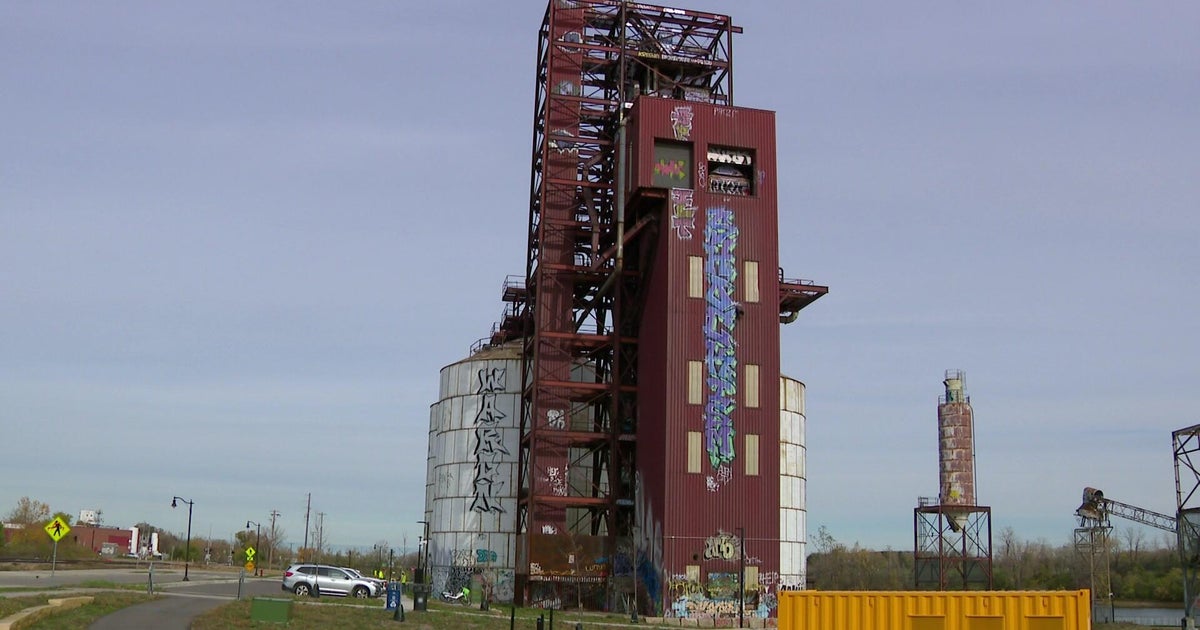
The incidents have cast a harsh spotlight on the dangerous allure of urban exploring—a social media-driven trend that draws teenagers into decaying structures—and the stubborn vulnerability of abandoned real estate. Last September, Madison Frey, then 18 years old, climbed into an old grain elevator that now serves as the centerpiece of the newly opened Upper Harbor Park on Minneapolis’s north side. She fell five stories, severely injuring her spine and leaving her dependent on technological assistance to walk.
Barely a year later in August, another 18-year-old, Ash Ranallo-Korbell, fell 20 stories after scaling the Checkerboard Grain Elevator in south Minneapolis, also suffering life-changing injuries. Now, legal teams from Romanucci and Blandin and Riach Law are investigating whether property owners and the city failed in their duty to keep these hazardous sites secure.
Citizen Warnings and the Battle Over Abandoned Infrastructure
For neighbors living in the shadow of these crumbling behemoths, the tragedies come as a grim vindication of persistent warnings. John Gorey, an attorney representing Frey, pointed to a glaring physical breach that allowed the first accident to happen. Frey and others reportedly entered through a hole in a fence large enough for an adult body.
We’ve talked about it plenty with the city, and with other neighbors and with the police, and we kept warning them something terrible is going to happen; we know something is. And sure enough, the first thing we thought of when we heard those screams were the teenagers are up there.
said Vox Payne, a Minneapolis resident who raised alarms about the unsecured properties earlier this summer.
Legal investigators examining Ranallo-Korbell’s case uncovered numerous citizen complaints submitted to the city demanding immediate action to seal penetrations and repair deteriorating fence lines around the Checkerboard Grain Elevator. The central legal question hinges on whether owners and municipal authorities maintained these properties in a reasonably safe manner despite knowing trespassers frequented the sites.
Legal Hurdles and the Limits of Fences
Determining liability when a trespasser is injured involves navigating complex state statutes. Derek Stewart, a Minneapolis attorney not affiliated with the cases, noted that Minnesota operates under a comparative fault framework. Juries must weigh the actions of the injured party against the responsibility of the property owner.
The inquiry often digs into the history of a site. Investigators look at prior law enforcement involvement, earlier injuries, and the adequacy of existing warnings. A simple fence or a weathered sign may no longer suffice if owners know those measures consistently fail to deter trespassers over the years.
Minneapolis police data underscores the scale of the enforcement challenge. Officers investigated roughly 100 urban explorer cases and made 15 arrests over the year. The trend extends beyond industrial ruins; on October 25, police arrested seven individuals—four of them minors—who broke into the historic Basilica of St. Mary.
Law firms leading the investigation hope the scrutiny forces owners to shut down these properties in a meaningful way that physical trespassers cannot bypass. Whether those efforts translate into successful civil litigation will ultimately rest with juries evaluating the evidence.
Keep reading
Men’s Basketball vs The College of Idaho on 10/30/2026 – Box Score
The game was defined by frequent lead changes, aggressive play in the paint, and a series of tactical...

Clint Hurdle Says Goodbye to Colorado Rockies After Two Decades
Clint Hurdle, the architect of the Colorado Rockies’ most iconic season and a fixture in the organization for...

Delaware SaaS Sales Tax Guide: Is Software Taxable?
Software as a Service (SaaS) products are not subject to sales tax in Delaware. Because the state does...

College Hockey Captain Ryan O’Shea Killed in Crash With Illegal Alien
College Hockey Captain Killed in Wrong-Way Crash on I-91 “Ryan was not only a great leader, but he...