When Musical Improbability Becomes Genius: 13 Bands That Defied Every Rule
If you were drafting a blueprint for a commercial rock band today, the lineups that shaped music history would fail every standard test. Classical-Music.com reported on 13 iconic rock outfits that survived and conquered the charts despite possessing glaring weaknesses that should have crushed them before they ever cut a record.
Rock history is littered with happy accidents. What looked like an insurmountable flaw—untuned instruments, deep-seated emotional warfare, or total stylistic confusion—frequently hardened into a defining strength.
The Byrds and the Birth of Folk-Rock
When The Byrds tumbled together in Los Angeles in 1964, they were hardly a powerhouse. Roger McGuinn possessed a 12-string Rickenbacker he could barely keep in tune, while Gene Clark and David Crosby brought earnest folk backgrounds with virtually zero rock pedigree. Early attempts at Beatles covers sounded less like a stadium act and more like a coffeehouse singalong backed by electric gear.

Yet with production guidance from Terry Melcher, their electric reinvention of Bob Dylan’s ‘Mr Tambourine Man’ sparked an entirely new genre: folk-rock. That single success propelled the shifting lineup through psychedelia with 1966’s Fifth Dimension and toward country rock with 1968’s Sweetheart of the Rodeo. Remarkably, on that breakaway hit, only McGuinn played instruments, backed by session professionals alongside harmony vocals from Clark and Crosby.
Fleetwood Mac and the Chemistry of Chaos
By 1976, Fleetwood Mac functioned essentially as a soap opera equipped with instruments. John and Christine McVie’s marriage had collapsed.
All logic dictated that any record born from such a toxic environment should have been a catastrophic failure. Instead, the sessions burned through nearly a million dollars in studio time and cocaine while producing Rumours. Buckingham and Nicks weaponized their pain into ‘Go Your Own Way’ and ‘Dreams’, while Christine McVie channeled heartbreak into pristine melodies. The album stands as lasting proof that extreme dysfunction can occasionally generate a dark magic.
The Police, Pink Floyd, and Talking Heads
The Police looked like a Frankenstein creation upon arrival, pairing a jazz-obsessed former schoolteacher named Sting with prog-rock drummer Stewart Copeland and versatile guitarist Andy Summers. By bleaching their hair and adopting punk aesthetics, they masked sophisticated jazz-leaning chops beneath nervy, reggae-infused rhythms like ‘Roxanne’.
Pink Floyd faced a different existential crisis in 1967 when madcap genius Syd Barrett collapsed under the weight of mental illness and substance abuse. Rather than folding, Roger Waters, Rick Wright, Nick Mason, and newcomer David Gilmour pivoted toward space rock and progressive soundscapes. That pivot ultimately birthed The Dark Side of the Moon, which spent an astonishing 741 weeks on the Billboard charts.
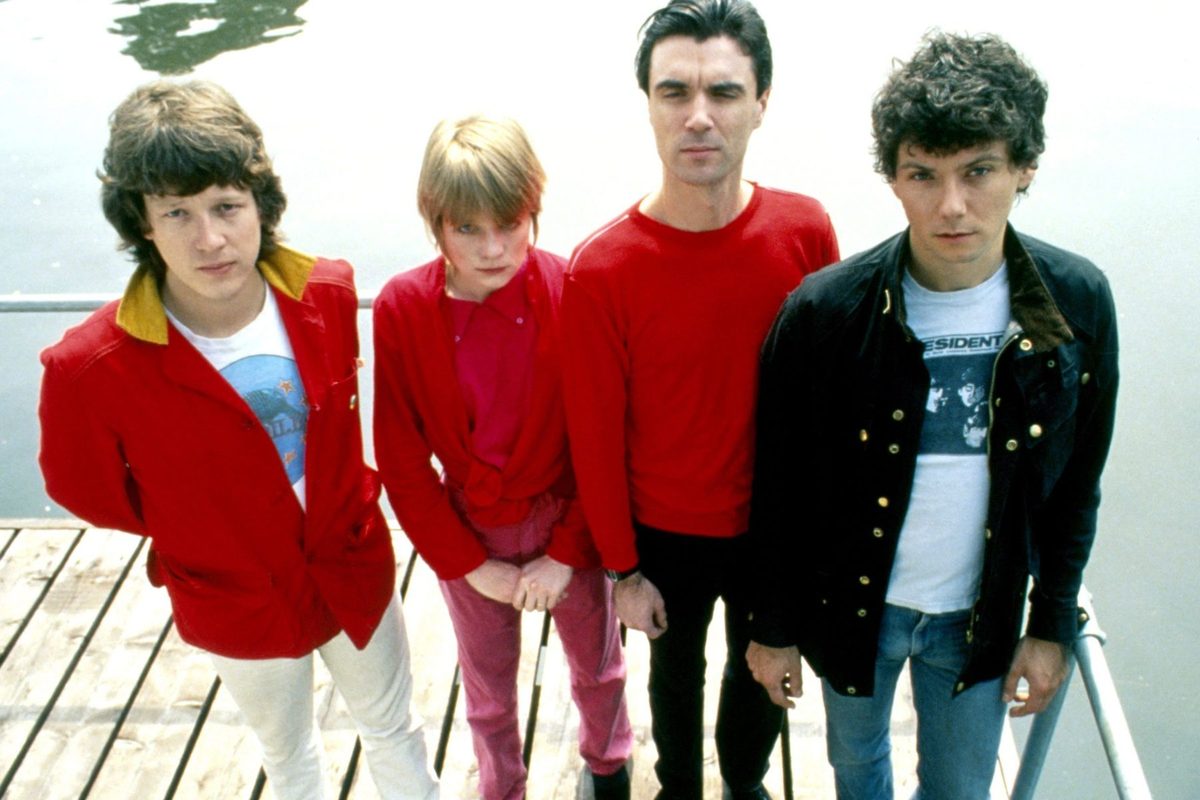
Talking Heads entered the punk scene looking completely out of place. Frontman David Byrne was so nervous during early shows he routinely performed with his back to the audience. Their angular rhythms and twitchy anxiety evolved into a distinct fusion of punk, funk, and Afrobeat on 1980’s Remain in Light, proving that awkwardness could be weaponized into a riveting persona.
Dire Straits, Captain Beefheart, and the Grateful Dead
At the height of punk’s spiky-haired aggression in 1977, Dire Straits arrived looking like a group of provincial dads playing a quiet pub night.
Don Van Vliet—better known as Captain Beefheart—could not read music and treated his band like hostages during rehearsals, communicating through surreal imagery like playing a part “like a bat being dragged out of oil.” That unbridled madness yielded 1969’s Trout Mask Replica, an infamously difficult record produced by Frank Zappa that later achieved foundational status in experimental rock.
The Grateful Dead completed this pantheon of misfits by operating as a messy, inconsistent, and defiantly uncommercial collective fueled by endless improvisation. Bypassing traditional pop formulas, they sustained a thirty-year touring apparatus and built the Deadhead community, amassing a recorded archive of over 2,300 live concerts traded among fans.
Worth a look
Baton Rouge among 4 U.S. cities chosen for Justice Department crime reduction grant
Out of 47 major cities that applied across the country, just four secured a spot. Baton Rouge stands...
Team News: Regulars return for playoff opener as Bird changes six – Louisville City FC
Louisville City FC interim head coach Simon Bird has restored his first-choice lineup for Friday’s Eastern Conference Quarterfinal...
Buccaneers to Host Atlanta Falcons in Week 8 “She is Football” Game at Raymond James Stadium
The Tampa Bay Buccaneers are set to host the Atlanta Falcons this Sunday at 1:00 p.m. at Raymond...

Florida Tech Swimming Breaks 3 Records and Sets 8 NCAA B-Cuts
The Florida Tech men’s and women’s swimming teams set a high bar on Friday, Oct. 30, securing three...